
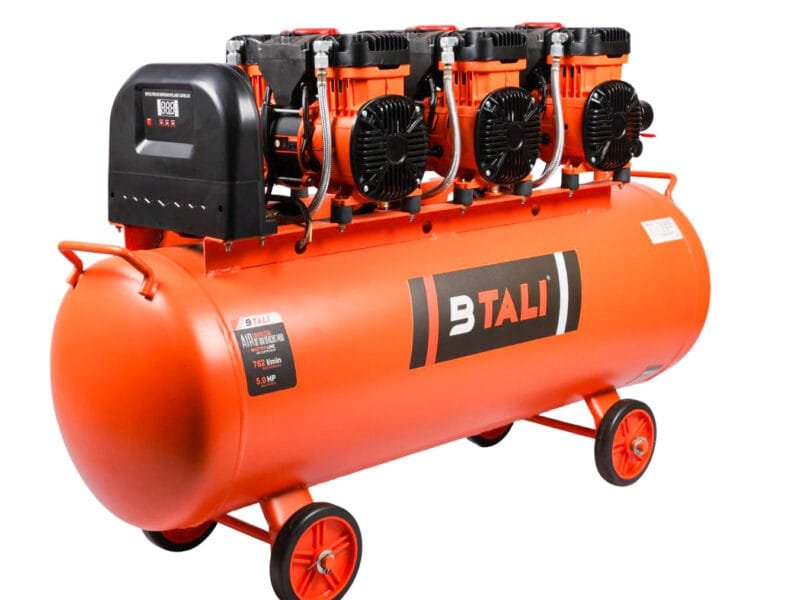
A Complete 5-Step Guide to Extending Compressor Lifespan
A Complete 5-Step Guide to Extending Compressor Lifespan
Air compressor maintenance is the systematic process of inspecting, cleaning, and servicing pneumatic systems to prevent mechanical failure and ensure peak operational efficiency. This practice is vital for industrial plants, dental clinics, and automotive workshops in India to avoid costly downtime and energy waste. According to the Compressed Air Challenge, improving air system efficiency can reduce energy costs by up to 30%. Furthermore, industry standards suggest that proactive maintenance can extend machine life by up to 50% compared to reactive repairs.
Key Takeaways
- Regular moisture drainage prevents internal corrosion and component degradation.
- Consistent filter changes maintain air quality and protect sensitive tools like a paint compressor.
- Proper lubrication is essential for lubricated models, while oil free air compressor units require clean air intake.
- Periodic leak detection significantly reduces energy consumption and operational costs.
- Adhering to BIS and ISO standards ensures safety and reliability in the Indian industrial landscape.
Btali International understands that air systems are the lungs of your operation. Air compressor maintenance refers to the routine technical checks and service protocols designed to keep your pneumatic tools and machinery running at optimal pressure. If you are looking for an air compressor for car maintenance or a heavy-duty system for a factory, understanding these steps is crucial. What this means in practice is that a well-maintained machine costs less over its lifecycle, regardless of the initial air compressor price.
Why is Regular Air Compressor Maintenance Essential?
Many operators overlook the importance of upkeep until a breakdown occurs. However, this is why scheduled servicing is non-negotiable. An industrial air compressor operates under high pressure and high temperatures, making it susceptible to wear and tear. Beyond that, poor maintenance leads to contaminated air, which can ruin an air compressor for painting applications or damage delicate equipment like an oil-free air compressor for dental clinic use. In the Indian market, where dust and temperature fluctuations are common, the demand for robust maintenance is even higher. This is why Btali International emphasizes the importance of following manufacturer guidelines and Indian IS standards to ensure safety.
Step 1: How to Manage Moisture and Condensation Effectively?
Moisture is the silent killer of pneumatic systems. As air is compressed, water vapor condenses into liquid, which can lead to rust in the tank and lines. For anyone using a high pressure air compressor, managing this liquid is the first priority. You must drain the receiver tank daily. If you are using a large-scale air compressor 500 ltr price model, consider installing an automatic drain valve. This step is vital because water in the lines can cause catastrophic failure in a dental compressor or affect the finish of an air compressor for painting. What this means in practice is that regular drainage protects your investment and ensures the air remains dry and usable.
Step 2: Which Filtration Protocols Should You Follow?
Filtration is the second pillar of longevity. An industrial air compressor relies on air intake filters to prevent dust and debris from entering the compression chamber. If you are operating in a dusty environment in India, you may need to change these filters more frequently. This is especially true for an oil free air compressor, where the purity of the intake air is the only thing protecting the internal components. For those utilizing a paint compressor, even microscopic particles can ruin a coating. Beyond that, ensure your oil filters are replaced according to the service interval to maintain the integrity of the lubricant. This is why choosing the right air compressor distributor like Btali International is important, as we provide the correct, high-quality filtration components.
Step 3: Managing Lubrication and Oil Levels
For lubricated models, oil is the lifeblood of the machine. It reduces friction, cools the components, and seals gaps. You must check the oil level regularly and ensure you are using the correct grade of lubricant. If you are using an oil-free air compressor for dental clinic settings, you won’t have the oil-changing requirement, but you must ensure the seals remain intact to prevent any oil contamination in the air stream. For heavy-duty machines, the heavy duty air compressor price often reflects the higher quality of built-in lubrication systems. This is why monitoring oil clarity and color is a key task, dark or milky oil indicates contamination or overheating.
Step 4: How to Inspect Belts, Motors, and Electrical Components?
Mechanical integrity goes beyond just the pump. You must inspect the drive belts for cracks or tension issues. A slipping belt can cause the industrial air compressor to work harder, leading to overheating and increased energy consumption. Additionally, check all electrical connections. In India’s varying climatic conditions, moisture can cause corrosion on electrical terminals. This is critical for a portable air compressor that might be moved between different environments. Ensuring the motor is free of dust and that all wires are properly insulated is a fundamental part of the maintenance cycle. What this means in practice is that electrical safety prevents both equipment failure and potential fire hazards.
Step 5: Detecting Leaks and Pressure Integrity
The final step is a comprehensive leak audit. Even a tiny leak can cause a portable air compressor to cycle more frequently, wasting electricity and wearing out the motor. Use a soap solution to check connections on your high pressure air compressor. Furthermore, verify that the pressure relief valve and the pressure switch are functioning correctly. For an air compressor for car workshops, where tools are frequently connected and disconnected, these joints are common leak points. Regular inspections ensure that the air compressor price you paid delivers the efficiency you expected. Btali International recommends a monthly leak audit to maintain peak performance.
Real-World Use Case: Improving Efficiency in an Indian Manufacturing Unit
Consider a mid-sized textile manufacturing plant in Ahmedabad. They were struggling with frequent downtime on their industrial air compressor. After implementing the 5-step maintenance guide provided by Btali International—specifically focusing on daily moisture drainage and bi-weekly filter replacements—the plant reported a 22% reduction in energy consumption and zero unplanned downtime over a six-month period. This proves that even with a standard air compressor 500 ltr price investment, the long-term ROI is significantly higher when maintenance is prioritized.
Selecting the Best Air Compressor Brands in India
When looking for the Best air compressor brands, consider the availability of spare parts and technical support. A portable air compressor or a car tyre air pump might seem simple, but industrial-grade machines require a reliable air compressor distributor. In India, complying with BEE star ratings and BIS certifications can also help in choosing energy-efficient models. Whether you are looking for an oil free air compressor for medical use or a robust unit for heavy industry, the quality of the brand determines the ease of your maintenance routine.
Frequently Asked Questions
How often should I change the oil in my air compressor?
For most lubricated industrial models, oil should be changed every 500 to 1,000 hours of operation. However, if you are using it in a high-temperature environment, you may need to change it more frequently to maintain viscosity and protection.
What is the difference between an oil-free and a lubricated compressor?
An oil free air compressor uses a special coating to reduce friction, ensuring the air is 100% contaminant-free, making it perfect for a dental compressor. Lubricated compressors use oil for cooling and sealing, making them better for heavy-duty industrial use.
Why is my air compressor running more often than usual?
This is usually due to air leaks in the system or a clogged filter. A leak causes the pressure to drop quickly, forcing the motor to restart. Check all connections and your air compressor for painting lines for leaks.
Can I use a portable air compressor for industrial tasks?
While a portable air compressor is excellent for mobility and small tasks like an air compressor for car maintenance, it lacks the duty cycle of an industrial air compressor. For continuous heavy-duty tasks, a fixed station is required.
How do I know if my air compressor is efficient?
Efficiency can be measured by the energy consumed per unit of compressed air produced. Look for BIS or BEE certified models in India. Regular maintenance, as suggested by Btali International, is the best way to keep efficiency high.
Next Steps for Your Compressed Air System
Now that you understand the maintenance steps, what should you do next? First, create a maintenance log to track your service intervals. Second, consider upgrading to a more efficient model if your current system shows signs of chronic inefficiency. Are you ready to optimize your air systems? Contact Btali International today to find the right equipment for your needs.
Explore Btali International Product Categories
Accessories • Agricultural Power Spray • Airless Sprayer • Foam Tank • High Pressure Washer • Power Tools • Pressure Tank • Self Priming Automatic Pump • Submersible Pumps • Vacuum Cleaner • Water Pump • Air Compressor