
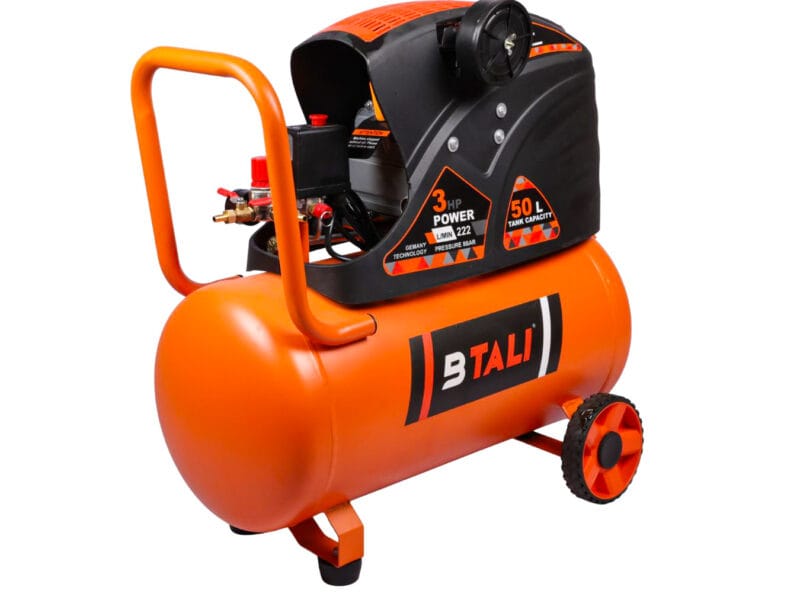
Can a High Pressure Air Compressor Be Used for Industrial Sandblasting?
Can a High Pressure Air Compressor Be Used for Industrial Sandblasting?
Btali International is a leader in providing specialized pneumatic solutions, including the high pressure air compressor essential for heavy-duty industrial sandblasting applications. A high pressure air compressor is a mechanical device that uses energy to compress air, creating the kinetic force necessary to propel abrasive media against a surface for cleaning, etching, or coating preparation. This is critical for manufacturing, automotive restoration, and construction industries that require pristine surface finishes. According to industry benchmarks for abrasive blasting, an efficient system must maintain a consistent CFM (Cubic Feet per Minute) to prevent nozzle stalling. Furthermore, industry standards such as ISO 1217 indicate that pneumatic system efficiency is directly linked to the pressure-to-flow ratio, making the selection of an industrial air compressor a high-stakes decision for plant managers.
Key Takeaways
- High CFM is King: While pressure (PSI) is important, the volume of air (CFM) is the most critical factor in preventing sandblasting interruptions.
- Industrial vs. Portable: A standard portable air compressor cannot sustain the continuous high-volume airflow required for professional sandblasting.
- Moisture Control: For effective blasting, air must be dry, using an oil free air compressor or adding high-grade dryers is essential.
- Regulatory Compliance: In India, all high-pressure equipment should comply with BIS and IS standards to ensure workplace safety and longevity.
What is a high pressure air compressor? A high pressure air compressor refers to a specialized pneumatic system designed to generate and maintain elevated atmospheric pressure, which is used to drive tools, clean surfaces, or power heavy machinery in an industrial environment.
How does an industrial air compressor work in sandblasting?
What this means in practice is that sandblasting is not just about pressure, it is about the continuous delivery of air to carry the abrasive media. When you use an industrial air compressor for this task, the machine draws in ambient air, compresses it, and stores it in a large receiver tank. This stored air is then released through a blasting nozzle at incredibly high velocities. If the air compressor price is too low, you often end up with a unit that has a small receiver tank, leading to frequent cycling and pressure drops. This is why professional operators look for an air compressor distributor that provides heavy-duty, continuous-duty rated motors rather than intermittent-duty models used for light tasks.
Beyond that, the relationship between the compressor and the sandblasting pot is symbiotic. If you are looking for a reliable setup in India, you must ensure the compressor can match the nozzle’s consumption rate. For instance, a medium-sized sandblasting nozzle might require 150 to 200 CFM. If your unit is more akin to a car tyre air pump or a small portable air compressor, the sandblasting process will be jerky, inefficient, and potentially damaging to the media. This is why understanding the technical specifications of your high pressure air compressor is the first step toward operational excellence.
Why is CFM more important than PSI for sandblasting?
The right way to choose a high pressure air compressor for sandblasting is to prioritize CFM over PSI. While most sandblasting nozzles operate optimally between 80 and 100 PSI, it is the volume of air the CFM that determines how much abrasive can be moved. If you have high pressure but low volume, the nozzle will ‘choke,’ meaning the air cannot move the sand or grit effectively. This is a common mistake when businesses try to save money by purchasing an air compressor for painting instead of a dedicated blasting unit. An air compressor for painting is designed for precision and clean, dry air, whereas sandblasting requires raw, high-volume power.
In the Indian market, specifically for MSME units, we often see procurement teams looking at the air compressor 500 ltr price as a primary metric. While tank size is important for buffering pressure, the actual motor’s ability to replenish that tank is what matters most. For heavy-duty applications, a large tank helps, but the CFM rating is the true engine of productivity. This is why Btali International emphasizes the importance of matching the compressor’s output to the specific demands of your abrasive blasting tools.
Can a portable air compressor be used for industrial sandblasting?
The short answer is no. While a portable air compressor is incredibly useful for an air compressor for car maintenance or quick onsite repairs, it lacks the capacity for industrial sandblasting. Sandblasting is a high-demand process that consumes air at a rate far exceeding the capabilities of most portable units. If you attempt to use a small unit, you will experience rapid pressure depletion, leading to uneven surface preparation and wasted abrasive material. This can actually increase your total cost of operation, even if the initial air compressor price was lower.
For those in the automotive sector, you might use a portable air compressor to inflate tires or run a small impact wrench, but for stripping paint from a chassis or cleaning engine parts, you need a dedicated industrial air compressor. This distinction is vital for maintaining efficiency and preventing the overheating of smaller motors that were never designed for such heavy workloads.
Comparing an air compressor for painting versus sandblasting
It is crucial to distinguish between different pneumatic applications. For example, an air compressor for painting or a paint compressor must provide extremely clean, oil-free air to prevent contaminating the finish. In many cases, an oil free air compressor is preferred for these delicate tasks. Conversely, sandblasting is a much more ‘violent’ process. While moisture and oil are still enemies in sandblasting (as they can cause the abrasive to clump), the primary concern is the sheer volume of air required to move the media.
Furthermore, a dental compressor or an oil-free air compressor for dental clinic uses is designed for ultra-quiet, ultra-clean operation at much lower volumes. Using a dental compressor for any industrial task would be impossible due to the vastly different CFM and PSI requirements. When selecting your equipment, always ensure the application matches the machine’s intended design to avoid premature wear and tear.
Selecting the best air compressor brands in India
When investing in your facility, choosing from the best air compressor brands is essential for long-term ROI. High-quality brands ensure that the equipment meets the rigorous standards required for industrial use in India, such as those set by the Bureau of Indian Standards (BIS). This ensures that the pressure vessels are safe and the electrical components are compatible with local power grids. As a leading air compressor distributor, Btali International helps businesses navigate these technical choices, ensuring that the heavy duty air compressor price you pay translates into years of reliable service.
In practice, an industrial facility in India might require a setup that includes an industrial air compressor paired with advanced filtration to handle the dust and grit typical of sandblasting environments. This prevents the contamination of the compressor itself, extending its life and maintaining the quality of the air being delivered to the blasting pot.
Frequently Asked Questions
What is the best air compressor for sandblasting?
The best air compressor for sandblasting is one that offers high CFM (Cubic Feet per Minute) ratings to match your blasting nozzle. While PSI is necessary to move the media, the volume of air (CFM) ensures a continuous and effective blast without pressure drops.
Can I use a small air compressor for sandblasting?
No, a small or portable air compressor is generally unsuitable for industrial sandblasting. These units lack the necessary CFM to sustain the high-velocity airflow required to move abrasive media, which will lead to inefficient work and potential machine damage.
How much pressure do I need for sandblasting?
Most industrial sandblasting applications operate optimally between 80 and 100 PSI. However, the key is ensuring that this pressure is maintained consistently through high CFM delivery, rather than just hitting a high peak pressure momentarily.
Why is moisture an issue in sandblasting?
Moisture in the air line can cause the abrasive media to clump together, which clogs the nozzle and reduces the efficiency of the blast. Using an oil free air compressor or implementing high-quality air dryers is essential for clean operation.
What should I look for when buying an industrial air compressor?
Focus on the CFM rating, the duty cycle, the tank size, and compliance with local standards like BIS. It is also important to consider the total air compressor price versus the long-term energy efficiency and maintenance costs.
Is an oil-free air compressor better for sandblasting?
While sandblasting is less sensitive to oil than painting, an oil free air compressor can be beneficial as it eliminates the risk of oil contamination in the abrasive media, which can sometimes affect how the media adheres to surfaces after blasting.
Explore Btali International Product Categories
Accessories • Agricultural Power Spray • Airless Sprayer • Foam Tank • High Pressure Washer • Power Tools • Pressure Tank • Self Priming Automatic Pump • Submersible Pumps • Vacuum Cleaner • Water Pump • Air Compressor