
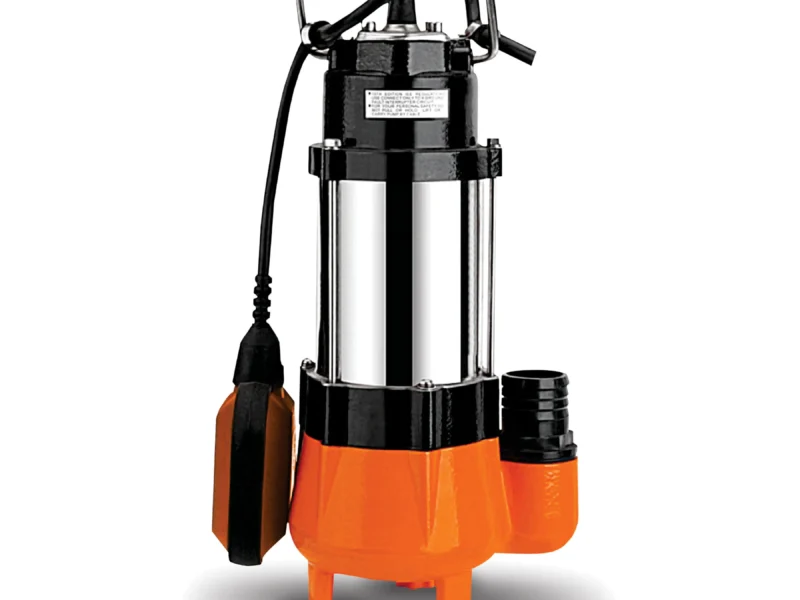
Finding the Perfect Submersible Pump: Calculating Borewell Depth and Pump Horsepower for a Perfect Fit with Btali International
Choosing the right submersible pump for your borewell is a critical investment. A mismatch between the pump’s capabilities and your well’s characteristics can lead to inefficient operation, premature pump failure, and ultimately, a frustrating lack of water. At Btali International, we understand this challenge, and we’re dedicated to providing solutions that ensure optimal performance and longevity. This comprehensive guide will walk you through calculating borewell depth and pump horsepower for a perfect fit, ensuring you select the ideal submersible pump for your specific needs.
Understanding Your Borewell: The Foundation of Pump Selection
Before even considering horsepower or pump models, you need a thorough understanding of your borewell. This involves several key measurements and considerations.
1. Borewell Depth: This is the most fundamental factor. It’s the total vertical distance from the ground surface to the bottom of the well. Accurate measurement is crucial. You can use a measuring tape or, for deeper wells, a weighted line. Remember to account for any casing extending into the well. Calculating borewell depth is the first step in determining the required pump head.
2. Static Water Level (SWL): This is the distance from the ground surface to the water level when the well is not being pumped. It represents the natural water table level. Measure this carefully, as it significantly impacts the total dynamic head.
3. Dynamic Water Level (DWL): This is the water level when the pump is operating at its maximum pumping rate. It’s always higher than the SWL. Determining the DWL requires a pumping test – running the pump for a period and observing the water level’s decline. This is a more complex process, often best handled by a professional well driller or pump installer.
4. Well Diameter: The diameter of your borewell dictates the size of the submersible pump you can accommodate. Ensure the pump’s outer diameter is smaller than the well’s inner diameter to allow for proper installation and water flow.
5. Water Demand (Flow Rate): How much water do you need per day or hour? This is crucial for selecting a pump with the appropriate flow rate (measured in gallons per minute or liters per minute). Consider all your water usage needs – household, irrigation, livestock, etc.
Calculating Total Dynamic Head (TDH): The Key to Horsepower
The Total Dynamic Head (TDH) is the total vertical distance the pump needs to lift the water, plus the friction losses in the pipes. It’s the most important factor in calculating pump horsepower.
TDH = Static Head + Pressure Head + Friction Head
Let’s break down each component:
- Static Head: This is the vertical distance from the water level at the pump (SWL) to the point of discharge (where the water comes out). It’s calculated as: Static Head = Discharge Height – SWL
- Pressure Head: This is the pressure required at the point of discharge, usually measured in feet or meters of head. If you need to pressurize a water tank or sprinkler system, you’ll need to factor in pressure head. Pressure Head = PSI x 2.31 (for feet of head). (Note: PSI is pounds per square inch).
- Friction Head: This accounts for the friction losses within the pipes due to the water flowing through them. Friction head depends on several factors:
Pipe Diameter: Smaller diameter pipes create more friction.
Pipe Length: Longer pipe runs increase friction.
Pipe Material: Rougher pipe materials (e.g., galvanized steel) create more friction than smoother materials (e.g., PVC).
Flow Rate: Higher flow rates increase friction.
* Number of Bends and Fittings: Each bend and fitting adds to the friction loss.
Calculating friction head accurately can be complex. There are numerous online calculators and charts available that can help you estimate it based on your specific pipe system. Btali International can also assist you with friction head calculations – just contact our technical support team.
Determining Pump Horsepower: Matching Power to the Task
Once you have the TDH, you can calculate pump horsepower. The formula is:
Horsepower (HP) = (TDH x Flow Rate (GPM) x Specific Gravity) / 3960
Where:
- TDH is the Total Dynamic Head in feet.
- Flow Rate is the desired flow rate in gallons per minute (GPM).
- Specific Gravity is the specific gravity of water (approximately 1). For other liquids, use the appropriate specific gravity.
- 3960 is a constant.
Example:
Let’s say your TDH is 150 feet, your desired flow rate is 10 GPM, and you’re pumping water.
HP = (150 ft x 10 GPM x 1) / 3960 = 0.38 HP
In this example, you would need a pump with at least 0.38 horsepower. However, it’s always recommended to add a safety factor of 10-20% to account for inefficiencies and variations in well conditions. Therefore, a 1/2 HP pump would be a more suitable choice.
Choosing the Right Submersible Pump: Beyond Horsepower
While horsepower is crucial, it’s not the only factor to consider when selecting a submersible pump.
- Pump Type: Different pump types are designed for different applications. Centrifugal pumps are common for general water supply, while multi-stage pumps are better suited for high-head applications.
- Pump Material: Choose a pump made from durable materials that can withstand the water quality and well conditions. Stainless steel pumps are generally more resistant to corrosion.
- Motor Type: Consider the motor’s efficiency and reliability. Btali International offers pumps with high-efficiency motors to minimize energy consumption.
- Voltage: Ensure the pump’s voltage matches your power supply.
- Warranty: A good warranty provides peace of mind and protects your investment.
The Importance of Professional Assistance
Calculating borewell depth and pump horsepower for a perfect fit can be complex, especially when dealing with deep wells or challenging water conditions. While this guide provides a solid foundation, we strongly recommend seeking professional assistance from a qualified well driller, pump installer, or water system specialist.
Btali International is committed to providing exceptional customer service and technical support. Our team of experts can help you assess your specific needs, calculate pump horsepower, and select the ideal submersible pump for your borewell. We offer a wide range of high-quality submersible pumps designed to deliver reliable performance and long-lasting value.
Common Mistakes to Avoid
- Underestimating TDH: This is the most common mistake. Failing to account for friction head can lead to inadequate water flow.
- Choosing a Pump with Insufficient Horsepower: A pump that’s too small will struggle to deliver the required flow rate, leading to premature wear and tear.
- Ignoring Water Quality: Corrosive water can damage the pump. Choose a pump made from materials that are compatible with your water chemistry.
- Improper Installation: Incorrect installation can void the warranty and compromise the pump’s performance. Always follow the manufacturer’s instructions or hire a qualified installer.
- Neglecting Regular Maintenance: Regular maintenance, such as cleaning the pump intake and checking the wiring, can extend the pump’s lifespan.
Conclusion: Ensuring a Reliable Water Supply
Selecting the right submersible pump for your borewell is an investment in your water security. By carefully calculating borewell depth and pump horsepower for a perfect fit, you can ensure optimal performance, minimize energy consumption, and maximize the lifespan of your pump. At Btali International, we’re here to help you every step of the way. Contact us today to discuss your specific needs and find the perfect submersible pump solution for your application. We pride ourselves on offering reliable products and expert advice to ensure your water supply is always secure. Remember, accurate measurements and careful calculations are key to a successful and long-lasting borewell pumping system.