
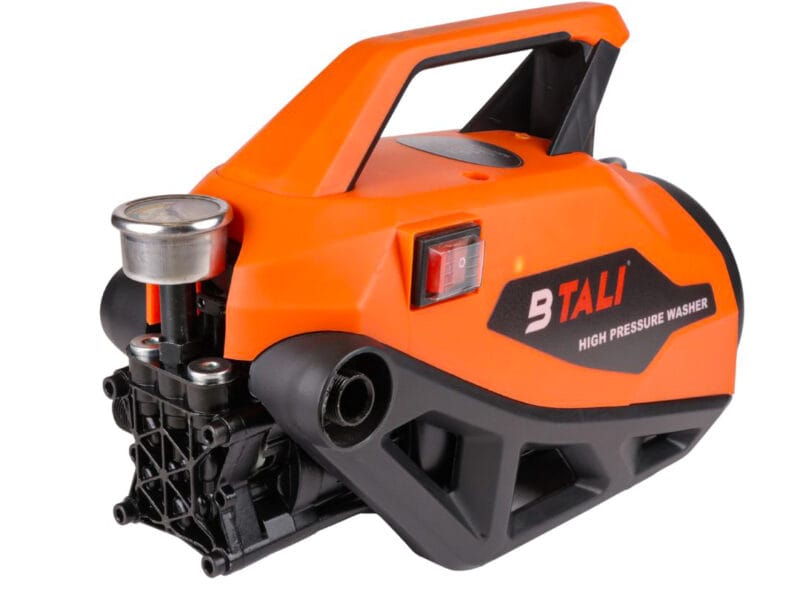
Keeping Your Ride Pristine: Essential Tips for Using a Bike Washer Gun to Protect Sensitive Bike Components with Btali International
Maintaining a clean bicycle is crucial for its performance, longevity, and overall enjoyment. While a simple bucket and sponge can handle light dirt, a bike washer gun offers a more efficient and thorough cleaning experience. However, the high pressure can be detrimental to delicate components if not used correctly. At Btali International, we understand the importance of protecting your investment. This comprehensive guide provides essential tips for using a bike washer gun to protect sensitive bike components, ensuring a sparkling clean bike without causing damage. We’ll cover everything from choosing the right pressure washer to specific techniques for cleaning various parts of your bicycle.
Understanding the Risks: Why Careful Cleaning Matters
Before diving into the techniques, it’s vital to understand why a bike washer gun requires a more cautious approach than cleaning your car or patio. Bikes are intricate machines with numerous components susceptible to damage from excessive pressure. Here’s a breakdown of potential risks:
- Bearings: High-pressure water can force its way into bearings (wheel hubs, bottom bracket, headset), displacing grease and accelerating corrosion. This leads to premature wear and performance degradation.
- Electronic Components: Modern bikes often feature electronic shifting systems (Di2, SRAM eTap), disc brakes with electronic controls, and integrated lights. Water intrusion can cause malfunctions or permanent damage.
- Carbon Fiber Frames & Components: While strong, carbon fiber can be damaged by abrasive cleaning methods or high-pressure impacts.
- Paint & Decals: Excessive pressure can chip paint and peel decals, diminishing the bike’s aesthetic appeal.
- Sealed Units: Suspension forks and rear shocks are sealed units. While designed to withstand some water, excessive pressure can compromise the seals, leading to leaks and performance issues.
- Cable Housing: High pressure can force water into cable housing, causing corrosion and friction, affecting shifting and braking performance.
Choosing the Right Equipment: Pressure Washer & Nozzles
Not all bike washer guns are created equal. Selecting the right equipment is the first step in protecting your bike.
- Pressure Washer Selection: Opt for a pressure washer with adjustable pressure settings. Models with a maximum pressure of 1200-1500 PSI are generally sufficient for bike cleaning. Avoid excessively powerful models (2000+ PSI) unless you’re experienced and have a very specific need. Electric pressure washers are often quieter and more manageable than gas-powered ones.
- Nozzle Selection – The Key to Safe Cleaning: This is arguably the most critical aspect.
Wide Fan Nozzle (40-65 degrees): This is your primary nozzle for general cleaning. The wide spray pattern distributes the pressure over a larger area, minimizing the risk of damage.
Low-Pressure Nozzle (25 degrees or less): Ideal for cleaning extremely delicate areas like carbon fiber frames or electronic components.
Avoid Narrow, High-Pressure Nozzles (0-15 degrees): These are never suitable for bike cleaning. They concentrate the pressure into a tiny spot, posing a significant risk of damage.
- Accessories: Consider these helpful additions:
Foam Cannon: Allows you to apply bike-specific cleaning solutions evenly.
Extension Wand: Provides greater reach for cleaning hard-to-access areas.
Soft Brush Attachments: Gentle scrubbing for stubborn dirt.
Essential Tips for Using a Bike Washer Gun to Protect Sensitive Bike Components: A Step-by-Step Guide
Now, let’s get into the practical steps. Following these essential tips for using a bike washer gun to protect sensitive bike components will ensure a thorough clean without causing harm.
1. Preparation is Key:
- Pre-Rinse: Start by gently rinsing the entire bike with a wide fan nozzle to remove loose dirt and debris.
- Protect Sensitive Areas: Cover electronic components (Di2 batteries, shifters, brake controllers) with plastic bags or waterproof covers. Tape over any exposed ports or openings.
- Remove Accessories: Take off easily removable accessories like saddlebags, computers, and lights.
2. Cleaning the Frame:
- Low Pressure is Your Friend: Use a wide fan nozzle (40-65 degrees) and maintain a safe distance (at least 12-18 inches) from the frame.
- Circular Motion: Apply the water in a gentle, circular motion, overlapping each pass.
- Carbon Fiber Caution: When cleaning carbon fiber frames, use an even wider fan nozzle and a greater distance. Avoid direct spraying on decals.
- Apply Cleaning Solution: If using a bike-specific cleaning solution, apply it with a foam cannon or spray bottle, allowing it to dwell for a few minutes before rinsing.
3. Cleaning the Drivetrain (Chain, Cassette, Derailleurs):
- Degreaser First: Apply a bike-specific degreaser to the chain, cassette, and derailleurs. Let it soak for the recommended time.
- Low-Pressure Rinse: Use a wide fan nozzle and a moderate distance to rinse away the degreaser and loosened grime.
- Brush Power: Use a stiff-bristled brush to scrub the chain and cassette, paying attention to the gaps between the cogs.
- Avoid Direct Spray on Derailleur Bearings: Be careful not to directly spray the derailleur pivot points with high pressure.
4. Cleaning the Wheels:
- Rim Brake Tracks: If your bike has rim brakes, be extra cautious when cleaning the brake tracks. Avoid using harsh chemicals or abrasive brushes.
- Disc Brakes: Rinse the disc brake rotors gently with a wide fan nozzle. Avoid spraying directly into the brake calipers.
- Hub Bearings: Keep a safe distance from the wheel hub bearings to prevent water intrusion.
5. Cleaning Suspension Components (Forks & Shock):
- Gentle Rinse: Rinse the stanchions of the fork and the body of the shock with a wide fan nozzle, maintaining a safe distance.
- Avoid High-Pressure Spray: Never aim high-pressure water directly at the seals.
- Wipe Clean: Wipe the stanchions clean with a soft cloth.
6. Final Rinse & Drying:
- Thorough Rinse: Give the entire bike a final rinse with a wide fan nozzle to remove any remaining cleaning solution or debris.
- Dry Immediately: Use a clean, soft towel to dry the bike thoroughly. Pay attention to crevices and hard-to-reach areas.
- Lubricate: After drying, lubricate the chain and other moving parts with appropriate bike lubricants.
Btali International Recommends: Pro Tips for Bike Cleaning
At Btali International, we’ve seen firsthand the impact of proper bike cleaning. Here are a few extra tips to elevate your cleaning routine:
- Regular Cleaning: Regular, gentle cleaning is better than infrequent, aggressive cleaning.
- Bike-Specific Products: Always use bike-specific cleaning solutions and lubricants. Automotive products can be too harsh and damage bike components.
- Inspect After Cleaning: After cleaning, inspect your bike for any signs of damage or wear.
- Listen for Unusual Noises: Pay attention to any unusual noises or changes in performance after cleaning.
- Consider Professional Cleaning: If you’re unsure about any aspect of bike cleaning, consider taking your bike to a professional bike mechanic. Btali International partners with many local bike shops who can provide expert cleaning and maintenance services.
- Read Your Component Manuals: Always refer to the manufacturer’s instructions for specific cleaning recommendations for your bike components.
Troubleshooting Common Issues
- Water Intrusion in Bearings: If you suspect water has entered your bearings, re-grease them as soon as possible.
- Malfunctioning Electronic Components: If electronic components malfunction after cleaning, consult a qualified bike mechanic.
- Paint Damage: Minor paint chips can be touched up with bike-specific touch-up paint.
Conclusion: Protecting Your Investment with Btali International
Cleaning your bike with a bike washer gun can be a quick and efficient way to keep it looking and performing its best. However, it’s crucial to follow essential tips for using a bike washer gun to protect sensitive bike components. By understanding the risks, choosing the right equipment, and employing the techniques outlined in this guide, you can enjoy a sparkling clean bike without compromising its integrity. Remember, at Btali International, we’re committed to providing you with the knowledge and resources you need to maintain your bicycle and enjoy countless miles of riding. We believe in the longevity and performance of your bike, and proper cleaning is a key part of that. Contact us today to learn more about our range of high-quality bike care products and accessories. Btali International – Your partner in cycling excellence.
Keywords Used (and repeated throughout): Bike washer gun, essential tips for using a bike washer gun to protect sensitive bike components, bike cleaning, pressure washer, bearings, carbon fiber, electronic components, drivetrain, suspension, Btali International.