
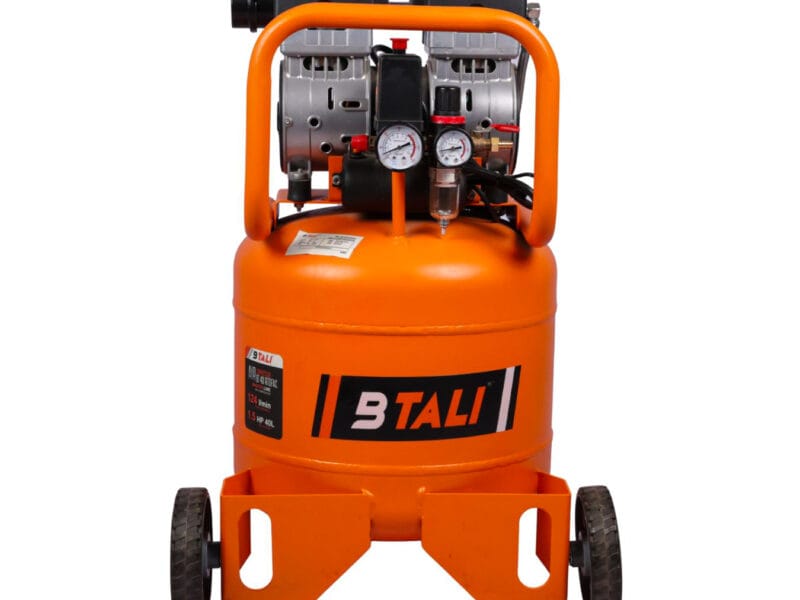
Powering Production: A Comprehensive Guide to Air Compressors for Manufacturing Plants & Pneumatic Controls
At Btali International, we understand the critical role reliable compressed air plays in modern manufacturing. This blog dives deep into implementing air compressors in manufacturing plants for pneumatic controls, exploring everything from selecting the right system to optimizing performance and ensuring long-term efficiency. We’ll cover key considerations, common types, maintenance best practices, and how choosing the right partner, like Btali International, can significantly impact your bottom line.
The Foundation of Automation: Why Air Compressors are Essential
Manufacturing plants are increasingly reliant on automation to boost productivity, improve precision, and reduce labor costs. A significant portion of this automation relies on pneumatic systems – using compressed air to power tools, machinery, and control systems. Without a robust and dependable air compressor, these systems simply can’t function. Implementing air compressors in manufacturing plants for pneumatic controls is no longer a luxury; it’s a necessity.
The benefits are numerous:
- Cost-Effectiveness: Pneumatic systems are generally less expensive to operate and maintain than hydraulic or electric systems, especially for repetitive tasks.
- Speed & Efficiency: Compressed air delivers rapid actuation, crucial for high-speed production lines.
- Safety: Pneumatic tools are often safer than their electrical counterparts, reducing the risk of electrical hazards.
- Versatility: Compressed air can power a wide range of tools and equipment, from simple hand tools to complex robotic systems.
- Cleanliness: Air is a clean working fluid, minimizing contamination risks in sensitive manufacturing environments.
Understanding Your Air Demand: Sizing Your Air Compressor System
One of the most critical steps in implementing air compressors in manufacturing plants for pneumatic controls is accurately assessing your air demand. Under-sizing your system leads to insufficient pressure and unreliable operation, while over-sizing results in wasted energy and increased costs.
Here’s a breakdown of factors to consider:
- Calculate CFM (Cubic Feet per Minute): This is the volume of air your system needs. List every pneumatic tool and device, noting its CFM requirement (usually found on the tool’s label). Add these values together to determine your total CFM demand. Factor in a safety margin (typically 20-30%) to account for future expansion and peak usage.
- Determine PSI (Pounds per Square Inch): This is the pressure required by your tools and equipment. Most pneumatic tools operate between 80-120 PSI, but some may require higher pressures.
- Duty Cycle: How frequently and for how long will the equipment be used? Continuous operation requires a larger, more robust compressor than intermittent use.
- Future Growth: Anticipate future expansion and increased air demand. It’s often more cost-effective to invest in a slightly larger system upfront than to replace it later.
- Location & Environment: Consider the ambient temperature, humidity, and potential contaminants in the installation environment.
Types of Air Compressors for Manufacturing: Choosing the Right Fit
Several types of air compressors are suitable for manufacturing environments. The best choice depends on your specific needs and budget.
- Reciprocating Compressors (Piston Compressors): These are the most common type, known for their reliability and affordability. They use pistons to compress air within a cylinder. Suitable for smaller to medium-sized manufacturing plants with moderate air demands.
- Rotary Screw Compressors: These compressors use rotating screws to compress air, offering higher efficiency and quieter operation than reciprocating compressors. Ideal for larger manufacturing plants with continuous or high-demand applications. Implementing air compressors in manufacturing plants for pneumatic controls often favors rotary screw models for their longevity and reduced maintenance.
- Centrifugal Compressors: These are high-capacity compressors used in very large industrial facilities. They use an impeller to accelerate air, then convert the kinetic energy into pressure.
- Oil-Free Compressors: These compressors use compressed air to lubricate the internal components, eliminating the risk of oil contamination in sensitive applications like food processing or pharmaceuticals.
- Portable Air Compressors: Useful for specific tasks or locations where a fixed compressor isn’t practical.
Key Components of an Air Compressor System
Beyond the compressor itself, a complete air compressor system includes several essential components:
- Air Receiver Tank: Stores compressed air, providing a buffer against fluctuations in demand and reducing compressor cycling.
- Air Filters: Remove dust, dirt, and other contaminants from the incoming air.
- Air Dryers: Remove moisture from the compressed air, preventing corrosion and damage to pneumatic equipment. Different types of dryers (refrigerated, desiccant) are available depending on the required dryness level.
- Air Separators: Remove oil and water from the compressed air stream.
- Pressure Regulators: Maintain a consistent pressure throughout the system.
- Piping & Fittings: Properly sized and installed piping is crucial for efficient air distribution.
- Maintenance & Monitoring Equipment: Gauges, filters, and other equipment to monitor system performance and facilitate maintenance.
Implementing Air Compressors in Manufacturing Plants for Pneumatic Controls: Best Practices
Successfully implementing air compressors in manufacturing plants for pneumatic controls requires careful planning and execution. Here are some best practices:
- Proper Installation: Ensure the compressor is installed on a level surface, with adequate ventilation and access for maintenance.
- Leak Detection & Repair: Compressed air leaks are a major source of energy waste. Regularly inspect the system for leaks and repair them promptly.
- Scheduled Maintenance: Follow the manufacturer’s recommended maintenance schedule, including oil changes, filter replacements, and belt inspections.
- Air Quality Monitoring: Regularly monitor air quality to ensure it meets the requirements of your pneumatic equipment.
- Energy Efficiency Measures: Consider using variable speed drives (VSDs) to match compressor output to demand, reducing energy consumption.
- System Optimization: Analyze air usage patterns and identify opportunities to optimize system performance.
- Training: Provide adequate training to maintenance personnel on proper compressor operation and maintenance procedures.
The Role of Btali International in Your Air Compressor Solution
At Btali International, we’re more than just a supplier of air compressors. We’re a partner dedicated to helping you optimize your manufacturing operations. Our team of experienced engineers can assist you with:
- Needs Assessment: We’ll work with you to accurately assess your air demand and recommend the best compressor system for your specific needs.
- System Design & Installation: We can design and install a complete air compressor system, ensuring it meets your requirements and operates efficiently.
- Maintenance & Repair Services: We offer comprehensive maintenance and repair services to keep your compressor system running smoothly.
- Energy Efficiency Consulting: We can help you identify opportunities to reduce energy consumption and lower your operating costs.
- Spare Parts & Accessories: We stock a wide range of spare parts and accessories to ensure your compressor system is always ready to perform.
Choosing Btali International means gaining access to a reliable source of high-quality air compressors and expert support. We are committed to providing our clients with the best possible solutions for implementing air compressors in manufacturing plants for pneumatic controls.
Future Trends in Air Compressor Technology
The air compressor industry is constantly evolving. Here are some emerging trends to watch:
- Smart Compressors: Compressors with built-in sensors and connectivity that provide real-time data on performance and allow for remote monitoring and control.
- IoT Integration: Integrating air compressor systems with the Internet of Things (IoT) to enable predictive maintenance and optimize energy usage.
- Variable Speed Drives (VSDs): Increasing adoption of VSDs to match compressor output to demand, reducing energy consumption and noise levels.
- Sustainable Solutions: Development of more energy-efficient and environmentally friendly compressors.
- Advanced Filtration Technologies: Improved filtration systems to remove even the smallest contaminants from the compressed air stream.
Conclusion: Partnering for Pneumatic Success
Implementing air compressors in manufacturing plants for pneumatic controls is a critical investment that can significantly impact your productivity, efficiency, and profitability. By carefully considering your air demand, selecting the right compressor system, and following best practices for maintenance and optimization, you can ensure your pneumatic systems operate reliably and efficiently. Btali International is here to be your trusted partner throughout the entire process, providing expert guidance, high-quality equipment, and ongoing support. Contact us today to discuss your specific needs and discover how we can help you power your manufacturing success. We at Btali International are dedicated to providing the best solutions for your industrial air needs.
Btali International – Your Partner in Compressed Air Solutions.