

Mastering Delicate Surfaces: Best Practices for Using Your Vacuum Cleaner on Upholstery and Fine Fabrics with Btali international
When it comes to maintaining a clean and healthy living environment, the vacuum cleaner is undeniably the most crucial tool in the arsenal. However, many homeowners approach vacuuming delicate surfaces like fine upholstery, silk curtains, or antique rugs with trepidation. The fear of causing damage—be it fraying threads, pulling delicate fibers, or dulling intricate patterns—often leads to neglecting these areas, allowing dust mites, allergens, and grime to accumulate. Btali international understands that true cleaning goes beyond simple suction; it requires precision, care, and the right equipment. Our guide provides comprehensive best practices for using a vacuum cleaner to effectively clean delicate surfaces and upholstery without compromise, ensuring your most cherished belongings remain pristine for years to come.
Understanding the unique challenges presented by delicate materials is the first step toward effective and safe cleaning. Unlike hard floors, which can withstand powerful suction and aggressive brush rolls, delicate surfaces demand a more nuanced approach. The goal is to remove dust and debris from the fabric’s surface and fibers without causing physical damage. This guide will delve into specific techniques, necessary tools, and expert tips to transform your vacuum cleaner for home into a precision instrument for fine fabric care.
The Preparation Phase: Assessing Your Delicate Surfaces
Before you even turn on your vacuum cleaner, preparation is paramount. Rushing into the process with the wrong settings or attachments can lead to irreparable damage.
- Identify Fabric Types and Read Labels: Upholstery fabrics range from natural fibers like silk, cotton, and wool to synthetic blends like microfiber and polyester. Velvet, for instance, is highly susceptible to crushing, while silk must be handled with extreme care and low suction. Always check the cleaning code on your furniture labels: W (water-based), S (solvent-based), WS (both), or X (vacuum only).
- The Inconspicuous Area Test: Always perform a small test on a hidden patch of fabric using your selected attachment and low suction. This ensures the method will not cause discoloration or fraying before you proceed to the main area.
- Pre-Vacuuming Preparation: For surfaces like velvet or high-pile fabrics, gently using a soft-bristled brush or a lint roller can loosen deep-seated dirt and pet hair, making the vacuuming process more efficient without the need for aggressive scrubbing.
Choosing the Right Vacuum Attachments
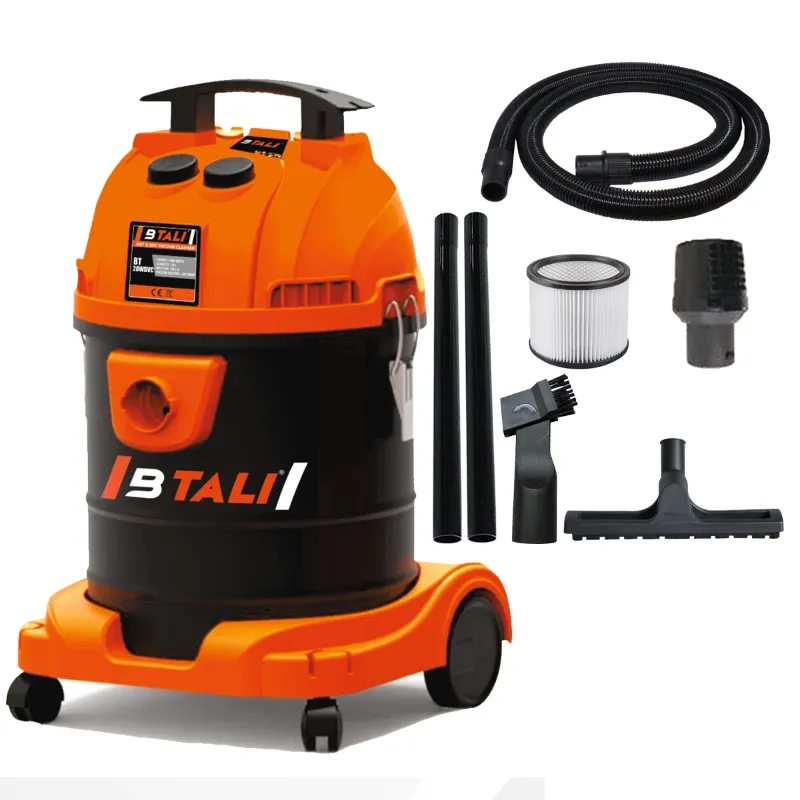
The most significant factor in cleaning delicate surfaces is the attachment used. The main floorhead of a professional vacuum cleaner is usually too powerful and abrasive. A high-quality best vacuum cleaner from Btali international comes equipped with specialized tools designed for these tasks.
- The Upholstery Nozzle: This is a flat, wide nozzle usually equipped with lint-collecting strips. It’s designed to provide broad coverage without concentrated, aggressive suction.
- The Crevice Tool: Essential for reaching the dust and debris that settles into deep seams, folds, and corners between cushions. Use a smooth, non-abrasive plastic tool to avoid snagging threads.
- The Soft Dusting Brush Attachment: Arguably the most critical tool for delicate items. Use soft natural or synthetic bristles to sweep away fine dust from lamp shades, curtains, and fine wooden furniture without scratching.
- The Mattress Tool: Similar to an upholstery nozzle but designed with a larger surface area to handle the delicate fibers of mattresses and oversized plush cushions.
Mastering Technique: Low Suction and Gentle Movements
The power of a professional vacuum cleaner or even an industrial vacuum cleaner can be overwhelming for fine fabrics. Adapting your technique is vital.
Always set the vacuum to the lowest possible suction level. If your machine lacks adjustable power, use the air relief valve on the hose handle to reduce the force at the nozzle. Avoid harsh scrubbing or back-and-forth motions. Instead, use soft, sweeping strokes in one consistent direction. For fabrics with a nap, such as velvet, follow the direction of the nap to avoid crushing fibers. When vacuuming curtains, hold the fabric taut with one hand while using the dusting brush attachment with the other to ensure thorough cleaning without the fabric being sucked into the nozzle.
Specialized Solutions and Maintenance
Accidents like liquid spills on delicate upholstery require immediate action. A wet & dry vacuum cleaner can quickly extract liquid before it sets and stains. Furthermore, many professional vacuum cleaner models incorporate technology derived from an industrial vacuum cleaner, such as HEPA filters, which prevent fine dust and allergens from being blown back onto your delicate surfaces. Regularly clean filters and soft brush attachments to ensure no hardened debris remains that could scratch silk or satin. A clogged filter can tempt users to increase suction settings, which increases the risk of fabric damage. Whether you are using a floor cleaning vacuum machine in a commercial workshop or the gentle touch of a professional vacuum cleaner for high-end upholstery, Btali international offers tailored solutions to meet every demand.
Final Best Practices Summary for Delicate Surface Maintenance
To summarize the best practices for cleaning delicate surfaces and upholstery:
- Preparation is Key: Always inspect the surface type (e.g., velvet, silk, cotton) and check cleaning codes (S, W, X) before vacuuming.
- Test First: Use an inconspicuous area test to confirm no damage or color change occurs with your chosen method.
- Use the Right Tools: Utilize soft dusting brushes, upholstery nozzles, and crevice tools instead of the main floorhead.
- Control Suction: Always use the lowest possible suction setting for delicate materials. If your vacuum lacks this feature, use the air relief valve.
- Be Gentle: Avoid harsh scrubbing. Use slow, sweeping motions in the direction of the fabric’s nap.
- Maintain Your Vacuum: Clean filters and attachments regularly to ensure consistent performance and prevent accidental damage from abrasive debris.
By following these guidelines and utilizing high-quality equipment, you can effectively use your vacuum cleaner to remove allergens, dust, and debris from your delicate surfaces without fear. The longevity and beauty of your upholstery and fine fabrics depend on this precise care. Btali international is proud to provide the tools necessary to make this a successful and routine part of your home maintenance.