
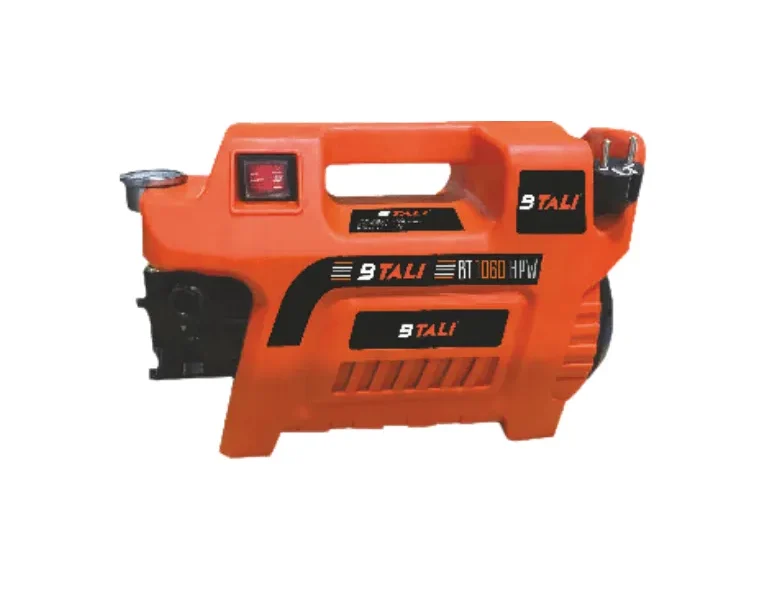
Choosing Your Weapon: Airless Spray Painting vs. Conventional Spray Guns Explained
Welcome to the ultimate guide brought to you by Btali international, where we dive deep into the world of professional painting equipment. When faced with a painting project, one of the most critical decisions you’ll make is choosing the right tool for the job. Two dominant technologies rule the professional painting landscape: the airless paint sprayer and the conventional spray gun. While both offer significant advantages over traditional rollers and brushes, they operate on vastly different principles and are suited for different applications.
Selecting the wrong equipment can lead to frustration, wasted materials, and a poor finish. A high-volume airless sprayer used on delicate furniture can create massive overspray and drips, while a conventional HVLP (High Volume Low Pressure) gun used on a large exterior wall will take an inordinate amount of time. The key to successful painting lies in understanding these differences. This comprehensive guide will dissect the characteristics of both airless and conventional spraying systems, helping you determine which one is the ideal choice for various project types, from residential interiors to intricate cabinet refinishing.
Understanding the Core Technology: How They Work
Before comparing project applications, it’s essential to understand the mechanical principles behind each system.
What is an Airless Paint Sprayer?
As the name suggests, an airless paint sprayer does not use compressed air to atomize the paint. Instead, it relies on hydraulic pressure. A powerful pump (piston or diaphragm) forces the paint through a very small orifice in the spray tip at extremely high pressure (typically 1,500 to 3,000 PSI). This sudden release of pressure causes the paint to atomize into a fine mist. This technology allows for the application of high-viscosity coatings, such as latex paint, with minimal thinning.
What is a Conventional Spray Gun?
A conventional spray gun utilizes compressed air from an air compressor to atomize the paint. The air and paint meet either inside the air cap (internal mix) or just outside of it (external mix). These guns are further categorized into three main types:
- Standard Conventional: High pressure and high volume of air. Known for excellent atomization but low transfer efficiency (lots of overspray).
- HVLP (High Volume Low Pressure): Uses a high volume of air at low pressure (usually under 10 PSI at the air cap). This is the preferred choice for most professional finishing because it offers high transfer efficiency and excellent control.
- LVLP (Low Volume Low Pressure): Designed to work with smaller air compressors, using less air than HVLP while still maintaining good transfer efficiency.
Comparative Analysis: Project Suitability
Now, let’s look at how these systems perform in real-world project scenarios:
1. Large-Scale Projects and Exteriors
When speed and volume are the priorities, the airless paint sprayer is the undisputed champion. It can deliver a large amount of paint quickly, making it ideal for painting house exteriors, large fences, warehouses, and new construction interiors. The high pressure also helps the paint “bite” into textured surfaces like stucco or rough-sawn wood. If you’re looking for the best airless paint sprayer for these tasks, look for models with high GPM (Gallons Per Minute) ratings.
2. Fine Finishing and Cabinetry
For projects requiring a flawless, factory-like finish, the conventional spray gun (especially HVLP) is the superior choice. The lower pressure allows for much greater control over the spray pattern and material flow. This is crucial when painting kitchen cabinets, furniture, trim, and automotive parts. An HVLP gun minimizes overspray, ensuring more paint ends up on the project and less in the air. This precision is difficult to achieve with a standard airless sprayer.
3. Industrial and High-Viscosity Coatings
For industrial applications involving thick, heavy-bodied coatings (like block fillers or heavy-duty primers), an airless paint sprayer is often the only viable option. The powerful hydraulic pump can move these materials where a conventional system would clog. Choosing a heavy duty paint sprayer with an appropriately sized motor and pump is essential for industrial success.
4. Interior Residential Painting
For interior walls and ceilings, the choice depends on the specific situation. Professional contractors often use an airless sprayer for speed, especially in empty houses. However, in occupied homes where masking and overspray are major concerns, a professional paint sprayer utilizing HVLP or a carefully controlled airless system with fine-finish tips is often preferred. Btali international offers versatile systems that can adapt to both needs.
The Btali international Perspective: Choosing the Right Tool
At Btali international, we understand that there is no “one-size-fits-all” solution. The best paint sprayer is the one that matches your specific project needs. Here’s a summary to help you decide:
- Choose an Airless Paint Sprayer if: You need to paint large areas quickly, you are working with thick materials, or you are painting exteriors where speed is more important than extreme precision. Look for airless spray machine options that offer reliability and ease of cleaning.
- Choose a Conventional Spray Gun (HVLP) if: You are doing fine finishing work, you need maximum control, you are working on smaller projects, or you want to minimize paint waste and overspray. Ensure you have an adequately sized air compressor for painting to provide a consistent air supply.
Innovation in Spray Technology: The Middle Ground
It’s worth noting that the lines between these technologies are blurring. Modern advancements from companies like Btali international have introduced:
- Fine Finish Low Pressure (FFLP) Airless Tips: These allow airless sprayers to operate at lower pressures, producing a finish that rivals HVLP for many applications.
- Air-Assisted Airless (AAA): This technology combines the speed of an airless system with the finish quality of a conventional gun by adding a small amount of compressed air to the airless spray stream. This is often considered the “ultimate” professional paint sprayer for high-end cabinetry.
Btali international: Your Partner in Professional Painting
Whether you are a professional contractor needing the speed and power of an airless paint sprayer for large projects or a craftsman seeking the precision of a conventional spray gun for fine finishing, Btali international offers a comprehensive selection of high-quality equipment. We understand that choosing the right tool is paramount to achieving a successful project outcome and maximizing efficiency.
The debate between the airless paint sprayer and the conventional spray gun will likely continue as technology evolves. The most important lesson remains: define your project requirements first, then select the tool designed specifically for that task. A professional painter might own both systems, leveraging the strengths of each depending on the job. For large commercial jobs, the airless paint sprayer from Btali international provides the efficiency required to stay competitive. For high-end residential projects, the precision of a conventional setup ensures client satisfaction with a flawless finish.
Btali international is committed to providing expert advice and quality equipment to ensure you achieve the results you desire on every project, big or small. Visit us today to explore our full range of airless sprayers, conventional spray guns, and essential accessories.