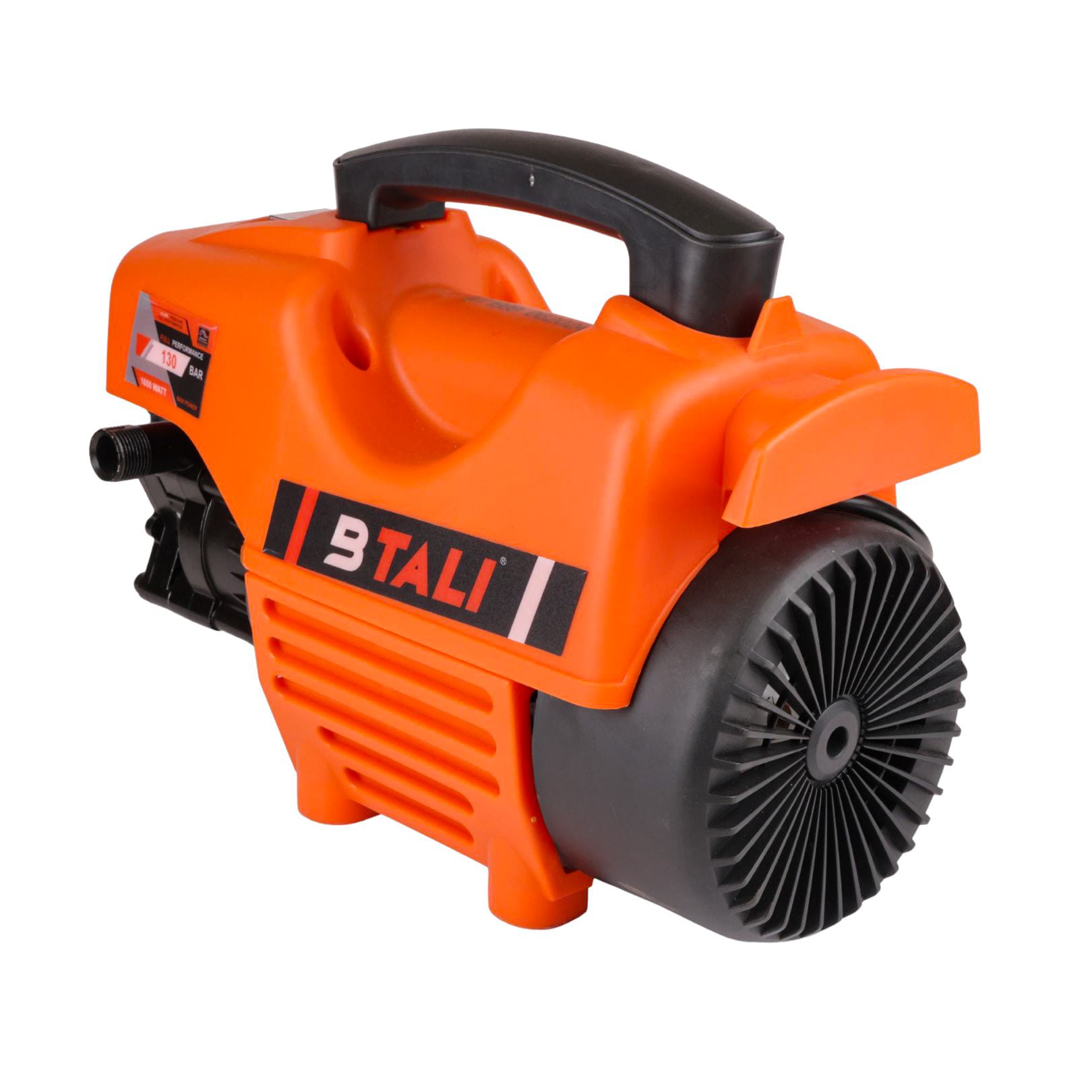
Mastering Your High-Pressure Washer: Preventing Damage to Surfaces with Proper Pressure and Angle – A Guide from Btali International
At Btali International, we understand that a high-pressure washer is a powerful tool, capable of tackling tough cleaning jobs with impressive speed. However, that power can quickly become a problem if not handled correctly. Improper use can lead to unsightly and costly damage to the very surfaces you’re trying to clean. This comprehensive guide focuses on preventing damage to surfaces: adjusting pressure and angle on your high-pressure washer, ensuring you achieve sparkling results without compromising the integrity of your property. We’ll cover everything from understanding pressure ratings to choosing the right nozzle and maintaining a safe working distance.
Understanding the Power of Pressure: PSI and GPM
Before diving into techniques, it’s crucial to understand the core metrics of a high-pressure washer: PSI (pounds per square inch) and GPM (gallons per minute).
- PSI (Pounds per Square Inch): This measures the force of the water hitting the surface. Higher PSI means more cleaning power, but also a greater risk of damage. High-pressure washers range from around 1000 PSI for light-duty tasks to over 4000 PSI for industrial applications.
- GPM (Gallons Per Minute): This measures the volume of water being discharged. Higher GPM means a wider cleaning swath and can help rinse away loosened debris more effectively.
The ideal combination of PSI and GPM depends on the surface you’re cleaning. A powerful high-pressure washer with high PSI and GPM isn’t always the best choice; sometimes, a lower PSI and moderate GPM are sufficient and safer.
Identifying Surface Types and Their Sensitivity
Different materials react differently to high-pressure washing. Knowing your surface is the first step in preventing damage to surfaces. Here’s a breakdown:
- Wood (Decks, Fences, Siding): Wood is particularly vulnerable to damage. High pressure can splinter, gouge, and even remove paint or stain. Start with a low PSI (around 500-800) and a wide-angle nozzle (40° or 25°). Preventing damage to surfaces on wood requires a gentle approach.
- Brick and Concrete: These are generally more durable but can still be damaged by excessive pressure, especially if they are older or have cracks. A medium PSI (1500-2500) and a 25° or 15° nozzle are often suitable. Be cautious around mortar joints, as they are weaker than the bricks or concrete themselves.
- Stucco: Stucco is porous and can be easily eroded by high pressure. Use a low to medium PSI (1200-2000) and a wide-angle nozzle (40°).
- Vinyl Siding: Vinyl is relatively durable, but high pressure can warp or crack it. A low to medium PSI (1200-1800) and a wide-angle nozzle (40°) are recommended.
- Painted Surfaces: Painted surfaces are susceptible to paint stripping. Use a low PSI (500-1000) and a wide-angle nozzle (40°).
- Aluminum: Aluminum is soft and easily dented. Use a very low PSI (500-800) and a wide-angle nozzle (40°).
- Stone (Natural Stone, Pavers): The sensitivity of stone varies greatly. Softer stones like sandstone are more prone to damage than harder stones like granite. Test a small, inconspicuous area first.
The Crucial Role of Nozzle Selection: Angles and Degrees
The nozzle is arguably the most important factor in preventing damage to surfaces with your high-pressure washer. Different nozzles produce different spray patterns and pressures.
- 0° (Red Nozzle): This is the most powerful nozzle, producing a concentrated, pencil-like stream. Never use this nozzle on delicate surfaces. It’s best reserved for removing stubborn stains from concrete or metal, and even then, with extreme caution.
- 15° (Yellow Nozzle): A more focused stream than wider angles, suitable for tougher stains on durable surfaces like brick or concrete. Use with caution and maintain a safe distance.
- 25° (Green Nozzle): A good all-purpose nozzle for general cleaning tasks. It provides a balance of power and coverage.
- 40° (White Nozzle): This is the widest angle nozzle, producing a gentle, fan-like spray. It’s ideal for delicate surfaces like wood, vinyl siding, and painted surfaces. This is your go-to nozzle for preventing damage to surfaces.
- Soap Nozzle (Black Nozzle): Designed for applying soap or detergent. It reduces the pressure to allow for even distribution of cleaning solutions.
Adjusting Pressure: The Art of Finding the Sweet Spot
Preventing damage to surfaces: adjusting pressure and angle on your high-pressure washer is a skill that requires practice and observation. Here’s a step-by-step approach:
1. Start Low: Always begin with the lowest possible pressure setting. You can gradually increase the pressure if needed, but it’s much easier to add pressure than to repair damage.
2. Test a Small Area: Before cleaning the entire surface, test a small, inconspicuous area to see how the surface reacts to the pressure.
3. Observe Carefully: Watch for any signs of damage, such as splintering, gouging, paint stripping, or warping. If you see any damage, immediately reduce the pressure.
4. Adjust as Needed: If the cleaning isn’t effective enough, gradually increase the pressure until you achieve the desired results, always monitoring for damage.
5. Variable Pressure Machines: Many modern high-pressure washers offer variable pressure settings. Take advantage of these to fine-tune the pressure for different surfaces and tasks. Btali International offers a range of machines with these features.
The Importance of Angle and Distance
It’s not just about pressure; the angle at which you hold the nozzle and the distance between the nozzle and the surface are equally important in preventing damage to surfaces.
- Angle: Holding the nozzle at a 90-degree angle (perpendicular) to the surface maximizes the force of the water. However, this also increases the risk of damage. Tilting the nozzle slightly can help distribute the pressure more evenly and reduce the risk of damage.
- Distance: Maintaining a safe distance between the nozzle and the surface is crucial. The closer you are, the more concentrated the pressure, and the greater the risk of damage. A general rule of thumb is to start with a distance of at least 12 inches and adjust as needed. For delicate surfaces, increase the distance to 18-24 inches.
Additional Tips for Safe and Effective Cleaning
- Use a Surface Cleaner Attachment: For large, flat surfaces like patios and driveways, a surface cleaner attachment can provide more even cleaning and reduce the risk of streaking.
- Consider a Rotary Nozzle: Rotary nozzles create a swirling, scrubbing action that can be more effective at removing dirt and grime without excessive pressure.
- Read the Manufacturer’s Instructions: Always read and follow the manufacturer’s instructions for your high-pressure washer and any cleaning solutions you use.
- Wear Protective Gear: Always wear safety glasses, gloves, and closed-toe shoes when operating a high-pressure washer.
- Regular Maintenance: Proper maintenance of your high-pressure washer, including cleaning the nozzle and checking the hoses, will ensure it operates safely and efficiently. Btali International provides excellent support and parts for all our machines.
- Professional Help: If you’re unsure about cleaning a particular surface, or if you’re dealing with a large or complex cleaning project, consider hiring a professional high-pressure washer service.
Choosing the Right High-Pressure Washer from Btali International
Btali International offers a wide range of high-pressure washers to suit various needs and budgets. We understand that choosing the right machine can be overwhelming, so our knowledgeable team is here to help. We offer both electric and gas-powered models, with varying PSI and GPM ratings. When selecting a machine, consider the types of surfaces you’ll be cleaning and the frequency of use. Our electric models are ideal for lighter-duty tasks and indoor use, while our gas-powered models are more powerful and suitable for heavy-duty cleaning. Remember, preventing damage to surfaces starts with having the right tool for the job.
Conclusion: Protecting Your Investment with Knowledge
Preventing damage to surfaces: adjusting pressure and angle on your high-pressure washer is essential for maintaining the beauty and value of your property. By understanding the principles of pressure, nozzle selection, and safe operating techniques, you can achieve professional-quality cleaning results without compromising the integrity of your surfaces. At Btali International, we’re committed to providing you with the tools and knowledge you need to succeed. Contact us today to learn more about our high-pressure washers and how we can help you keep your property looking its best. We believe in empowering our customers with the information they need to use their equipment safely and effectively, ensuring long-lasting results and preventing costly repairs. Don’t risk damaging your valuable assets – choose Btali International for quality equipment and expert advice.
Remember to always prioritize safety and test in an inconspicuous area before tackling a large cleaning project.