
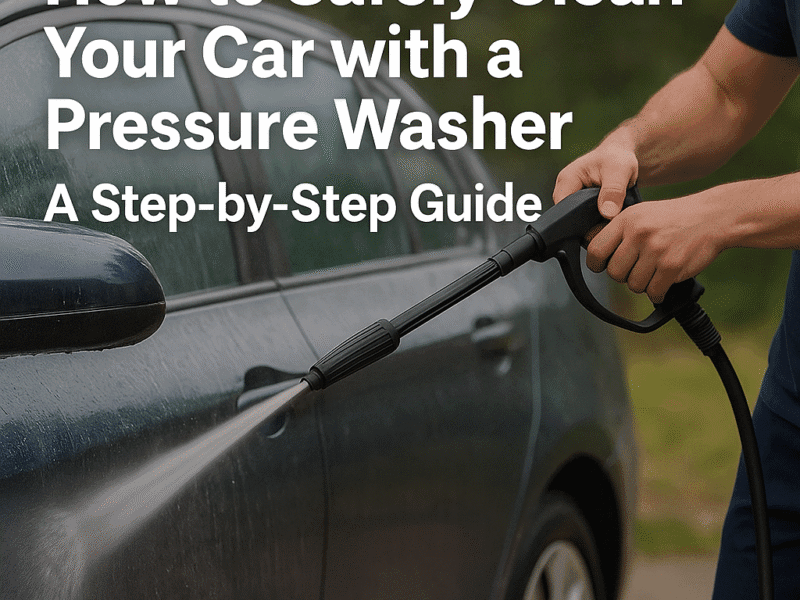
How to Safely Clean Your Car with a Pressure Washer: A Step-by-Step Guide by Btali International
At Btali International, we understand the importance of keeping your car looking its best. Using a pressure washer is a highly effective way to achieve a professional-level clean at home. However, using a high pressure washer incorrectly can damage your vehicle’s paint and components. This step-by-step guide will teach you how to safely and effectively use a car pressure washer for superior cleaning results. Whether you need the best pressure washer for home use or are considering a commercial pressure washer, understanding the proper techniques is crucial.
1. Gathering Your Supplies: The Right Tools for the Job
- Pressure Washer: Choose the right type — from portable pressure washer models to more powerful industrial pressure washer units. A good power washer with adjustable settings is ideal for car washing.
- Pressure Washer Nozzles: A wide-angle nozzle (40° or higher) is recommended for washing your car. Avoid narrow nozzles.
- Pressure Washer Soap/Detergent: Use a soap designed for pressure washers and car washing. A foam wash is great for lifting dirt.
- Two Buckets: One for washing, one for rinsing.
- Wash Mitt or Sponge: Use a microfiber mitt to avoid scratches.
- Drying Towels: Microfiber towels prevent water spots.
- Optional: Pre-wash cleaner, wheel cleaner, tire shine, window cleaner.
- Safety Glasses: Protect your eyes from splashes and debris.
2. Preparing Your Car and Work Area
- Park in the Shade: Prevents soap from drying too quickly and causing spots.
- Close Windows and Doors: Stops water from entering the vehicle.
- Rinse Loose Debris: Pre-rinse with a hose to remove loose dirt and avoid scratches during pressure washing.
3. Setting Up Your Pressure Washer
- Connect the Water Supply: Attach the pressure washer to a reliable water source.
- Attach the Nozzle: Use a wide-angle nozzle (40° or higher) for safe cleaning.
- Add Soap to the Detergent Tank: Follow dilution instructions for your soap and machine.
- Test the Pressure: Start on a low setting and test in an inconspicuous area (lower panel or wheel well).
4. Washing Your Car with a Pressure Washer
Step 1: Pre-Wash Rinse
- Stand about 2–3 feet (60–90 cm) away from the car.
- Start from the top and work your way down.
- Keep the nozzle moving — never hold it stationary on one spot to avoid paint damage.
Step 2: Apply Soap
- Switch to the soap nozzle or use the detergent setting on your machine.
- Cover the car evenly from top to bottom.
- Allow the soap to dwell for 3–5 minutes to loosen dirt, but do not let it dry on the surface.
Step 3: Hand Wash (Optional)
- Use a microfiber wash mitt for stubborn spots.
- Follow the two-bucket method (wash bucket + rinse bucket) to avoid reintroducing grit that could scratch paint.
- Wash top to bottom so dirt from lower panels doesn’t move upward.
Step 4: Rinse
- Switch back to a wide-angle rinse nozzle.
- Rinse thoroughly from top to bottom to remove all soap and loosened dirt.
- Check around mirrors, door seams, and trim for trapped soap and rinse those areas well.
Step 5: Dry
- Use clean microfiber drying towels or a dedicated car dryer/blower.
- Dry in sections to prevent water spots (roof → windows → hood → sides → wheels).
- Use a leaf blower or low-pressure air to push water from seams and door jambs if available.
5. Post-Wash Care
- Apply Wax or Sealant: Adds protection and shine to the paint.
- Clean the Wheels and Tires: Use a wheel cleaner and apply tire dressing if desired.
- Clean the Glass: Use an automotive glass cleaner for streak-free windows.
- Store Your Equipment: Drain detergent, store hoses and nozzles dry, and keep your pressure washer in a protected area.
Choosing the Right Pressure Washer for Your Needs
- Pressure (PSI): For car washing, an adjustable machine around 1200–1900 PSI is recommended. Higher PSI can be used with caution and wider nozzles.
- Flow Rate (GPM): A GPM of ~1.4–2.0 is suitable for cars — higher GPM rinses faster.
- Type: Electric models are quieter and lower maintenance; gas models deliver more raw power; cordless models offer portability for quick spot cleaning.
- Features: Detergent tank, adjustable pressure, and nozzle variety (foam cannon compatibility) are helpful for car care.
- Brand & Quality: Choose a reputable high pressure washer manufacturer—Btali International offers a range of options for home and commercial use.
Advanced Cleaning & Special Applications
- Wheel Cleaning: Use wheel-specific cleaners; a narrower spray can reach tight areas but be cautious around finishes.
- Tire Cleaning: Use an appropriate tire cleaner and finish with tire shine.
- Engine Bay Cleaning: Cover electrical components, use low pressure, and avoid soaking sensitive parts.
- Driveway & Surroundings: Use your pressure washer for other surfaces (driveway, patio) — but adjust pressure and nozzle appropriately.
- Solar Panels: If cleaning solar panels, use low pressure and a soft brush attachment or a specialized solar panel pressure washer.
Maintenance Tips for Longevity
- Flush After Each Use: Run clean water through the detergent system to clear residues.
- Winterize: Drain pumps and add antifreeze where recommended to prevent freeze damage.
- Check for Leaks: Inspect hoses, fittings, and O-rings regularly and replace worn parts.
- Store Properly: Keep the unit dry and protected from direct sunlight and extreme temperatures.
- Pressure Pump Upgrades: If needed for other appliances, consider compatible pressure pump solutions — consult product specs before modifications.
Cordless Convenience
A cordless pressure washer is excellent for quick jobs and locations without easy power access. They’re ideal for spot cleaning or when portability is a priority, though they may have lower runtime and pressure compared to corded/gas units.
Understanding Power Washer vs Pressure Washer
Technically, a power washer often uses heated water while a pressure washer uses cold water. For car washing, cold-water pressure washers are preferred to avoid heat-related paint damage. However, the terms are commonly used interchangeably — always check the equipment specifications.
Conclusion
By following these steps and using the correct tools and settings, you can safely clean your car with a pressure washer and achieve professional results at home. If you need help selecting equipment, Btali International offers a range of reliable pressure washers and accessories suited to every need — from portable units to heavy duty commercial models.