
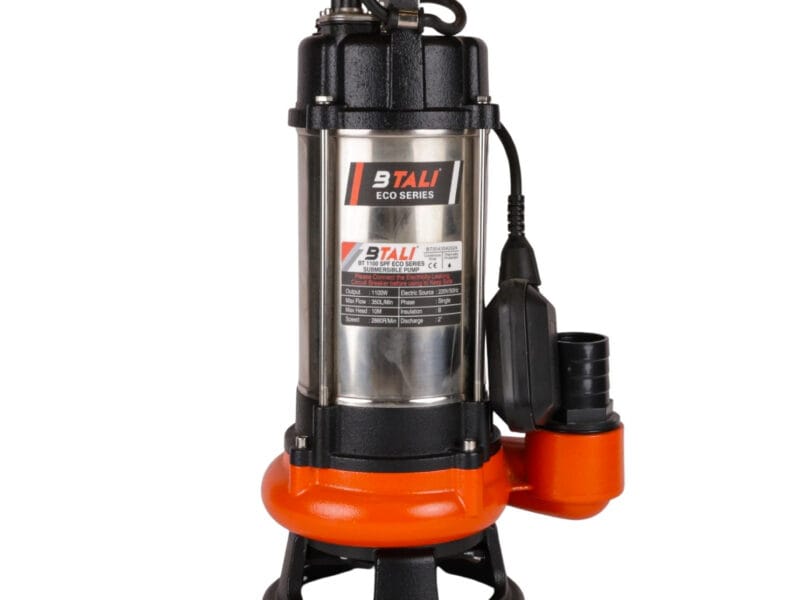
Choosing the Right Submersible Pump: A Guide to Agricultural Irrigation and Field Drainage with Btali International
Selecting the right submersible pump is crucial for efficient and reliable agricultural irrigation and field drainage. At Btali International, we understand the unique challenges faced by farmers and agricultural professionals. This comprehensive guide will delve into understanding submersible pump types for these specific applications, helping you make an informed decision and maximize your operational efficiency. We’ll cover everything from basic principles to specific models, ensuring you have the knowledge to optimize your water management.
What is a Submersible Pump and Why Use It for Agriculture?
A submersible pump is a pump that is designed to be completely submerged in the liquid it pumps. Unlike surface pumps, which draw water upwards, submersible pumps push water, making them exceptionally efficient for applications where the water source is deep or access is limited. In agriculture, this translates to significant advantages for both agricultural irrigation and field drainage.
Benefits of Submersible Pumps in Agriculture:
- High Efficiency: Pushing water eliminates suction lift limitations, resulting in higher efficiency compared to surface pumps.
- Reduced Noise: Being submerged minimizes noise pollution, creating a more peaceful working environment.
- Protection from the Elements: The pump is shielded from weather conditions, extending its lifespan.
- Compact Design: Submerged operation frees up surface space, which is valuable in many agricultural settings.
- Ideal for Deep Wells & Reservoirs: Perfect for accessing water from deep wells, boreholes, and reservoirs.
- Effective Field Drainage: Quickly and efficiently removes excess water from fields, preventing waterlogging and crop damage.
Understanding Submersible Pump Types for Agricultural Irrigation and Field Drainage
The world of submersible pump types can seem complex, but understanding the key distinctions is essential for selecting the right model. Here’s a breakdown of the most common types used in agricultural irrigation and field drainage:
1. Clean Water Submersible Pumps:
These pumps are designed specifically for pumping clean, potable water. They typically feature a simpler impeller design and are not suitable for handling solids or debris. While not ideal for general agricultural use, they can be useful for specific irrigation systems that require exceptionally clean water, such as hydroponics or drip irrigation.
2. Dirty Water Submersible Pumps (also known as Sewage Pumps):
These are the workhorses of field drainage and many agricultural irrigation systems. They are built to handle water containing solids, debris, and even sludge. Key features include:
- Robust Construction: Made with durable materials to withstand abrasive particles.
- Impeller Designs for Solids Handling: Various impeller designs (e.g., vortex, cutter) are employed to effectively pass solids without clogging.
Vortex Impellers: Create a swirling action that lifts solids without chopping them, minimizing wear and tear. Excellent for larger, non-abrasive solids.
Cutter Impellers: Chop up solids into smaller pieces, allowing them to be pumped more easily. Suitable for smaller, abrasive solids.
- Larger Discharge Ports: Designed to accommodate the passage of solids.
3. Borehole Submersible Pumps:
Specifically designed for installation in boreholes and wells, these pumps are typically long and slender to fit within the well casing. They are often used for agricultural irrigation where water is sourced from deep underground.
- High Head Capability: Capable of lifting water from significant depths.
- Sand-Resistant Designs: Many models incorporate features to minimize sand and sediment abrasion, extending pump life.
- Stainless Steel Construction: Commonly made with stainless steel for corrosion resistance in well water.
4. Multistage Submersible Pumps:
These pumps utilize multiple impellers arranged in series to achieve higher head pressures. They are often used in agricultural irrigation systems requiring long distances or significant elevation changes.
- Increased Head: Ideal for applications where water needs to be lifted to higher elevations or transported over long distances.
- Efficient Operation: Can be more efficient than single-stage pumps at higher heads.
- Versatile Applications: Suitable for both irrigation and field drainage depending on the specific model and impeller design.
Key Considerations When Choosing a Submersible Pump for Agriculture
Beyond the pump type, several factors influence the optimal choice for your specific needs. Btali International emphasizes these considerations to ensure you get the best possible performance and longevity from your investment.
- Flow Rate (GPM/LPM): Determine the volume of water you need to pump per minute or hour. This depends on the size of your field, the type of irrigation system, and the drainage requirements.
- Head (Feet/Meters): Calculate the total head, which includes the vertical lift (distance from the water level to the discharge point) plus friction losses in the pipes.
- Water Quality: Assess the water’s cleanliness. If it contains solids, choose a dirty water pump with an appropriate impeller design.
- Power Source: Consider the availability of electricity (single-phase or three-phase) and the required voltage.
- Pump Material: Select materials that are compatible with the water chemistry to prevent corrosion and extend pump life. Stainless steel is a common choice for durability.
- Motor Horsepower (HP): The horsepower rating determines the pump’s power and ability to handle the required flow rate and head.
- Submersible Cable Length: Ensure the cable is long enough to reach the pump location safely and reliably.
Submersible Pump Applications in Agriculture: Irrigation vs. Drainage
Let’s examine how different submersible pump types are applied to agricultural irrigation and field drainage:
Agricultural Irrigation:
- Center Pivot Irrigation: Borehole or multistage submersible pumps are often used to supply water to center pivot systems, especially in areas with deep wells.
- Drip Irrigation: Clean water submersible pumps can be used for drip irrigation systems requiring clean water.
- Flood Irrigation: Dirty water submersible pumps can be used to pump water from reservoirs or canals for flood irrigation.
- Hydroponics: Clean water submersible pumps are essential for providing a consistent supply of clean water to hydroponic systems.
Field Drainage:
- Surface Drainage: Dirty water submersible pumps are used to remove excess water from the field surface, preventing waterlogging.
- Subsurface Drainage: Submersible pumps can be installed in drainage wells to lower the water table and improve soil conditions.
- Flood Control: Powerful submersible pumps are deployed to quickly drain flooded fields, minimizing crop damage.
Btali International: Your Partner in Agricultural Water Management
At Btali International, we offer a wide range of high-quality submersible pump types to meet the diverse needs of agricultural operations. Our team of experts can help you select the right pump for your specific application, considering factors like flow rate, head, water quality, and power requirements. We provide comprehensive support, from initial consultation to installation and maintenance. We pride ourselves on delivering reliable, efficient, and cost-effective solutions for agricultural irrigation and field drainage. Contact Btali International today for a personalized consultation and discover how we can optimize your water management practices.
Maintenance and Troubleshooting for Submersible Pumps
Proper maintenance is key to extending the lifespan of your submersible pump. Here are some essential tips:
- Regular Inspections: Periodically inspect the pump and motor for any signs of wear or damage.
- Clean the Intake Screen: Keep the intake screen free of debris to ensure optimal water flow.
- Monitor Water Quality: Regularly test the water for sediment and corrosive elements.
- Check Electrical Connections: Ensure all electrical connections are secure and properly insulated.
- Professional Servicing: Schedule regular servicing by a qualified technician to identify and address potential issues before they become major problems.
Common Troubleshooting Issues:
- Pump Not Starting: Check the power supply, circuit breaker, and motor windings.
- Reduced Flow Rate: Inspect the intake screen, impeller, and discharge pipe for obstructions.
- Excessive Noise: May indicate worn bearings, impeller damage, or cavitation.
- Overheating: Could be caused by insufficient water flow or a faulty motor.
Btali International provides comprehensive support and maintenance services to ensure your submersible pump operates reliably for years to come. We understand the importance of minimizing downtime and maximizing productivity in your agricultural operations.
The Future of Submersible Pumps in Agriculture
The agricultural sector is constantly evolving, and so is the technology behind submersible pumps. We at Btali International are committed to staying at the forefront of innovation, offering our customers the latest advancements in understanding submersible pump types and their applications. Expect to see:
- Smart Pumps: Equipped with sensors and data analytics to optimize performance and predict maintenance needs.
- Variable Frequency Drives (VFDs): Allowing for precise control of pump speed and flow rate, saving energy and improving efficiency.
- Improved Materials: More durable and corrosion-resistant materials extending pump lifespan.
- Remote Monitoring and Control: Enabling farmers to monitor and control their pumps from anywhere, using smartphones or tablets.
By carefully considering your specific needs and partnering with a trusted supplier like Btali International, you can select the right submersible pump to enhance your agricultural irrigation and field drainage systems, ultimately contributing to increased crop yields and sustainable agricultural practices. Understanding submersible pump types is the first step towards a more efficient and productive farm.