
Decoding Vacuum Cleaner Wattage: Performance, Efficiency, and Choosing the Right Model with Btali International
Choosing the best vacuum cleaner for your needs can feel overwhelming. Among the many specifications to consider, wattage often takes center stage. But what does wattage really mean when it comes to a vacuum cleaner’s performance and efficiency? At Btali International, we believe in empowering our customers with the knowledge to make informed decisions. This comprehensive guide will break down the role of wattage, explore its limitations, and help you select the ideal vacuum cleaner for home or even an industrial vacuum cleaner, ensuring effective floor cleaning vacuum machine and a spotless environment.
What is Wattage in a Vacuum Cleaner?
Wattage is a measure of electrical power consumption. In the context of a vacuum cleaner, it primarily reflects the power used by the motor. A higher wattage generally suggests a more powerful motor, which can translate to stronger suction. However, it’s crucial to understand that wattage isn’t the only factor determining cleaning performance. It’s a piece of the puzzle, and a potentially misleading one if considered in isolation.
The Relationship Between Wattage and Suction Power
Historically, wattage was a reliable indicator of suction power. Higher wattage vacuum cleaners were often associated with superior cleaning capabilities. This is because a more powerful motor could generate greater airflow and create stronger suction. However, advancements in vacuum cleaner technology have significantly altered this relationship. Modern vacuum cleaners, particularly those utilizing brushless motors and advanced airflow designs, can achieve exceptional suction power with lower wattage consumption.
Think of it this way: a high-wattage incandescent light bulb produces a lot of heat but isn’t particularly efficient. A lower-wattage LED bulb can produce the same amount of light with significantly less energy. Similarly, modern vacuum cleaners are engineered to maximize suction efficiency, meaning they can deliver powerful cleaning performance without necessarily requiring a massive wattage rating.
Types of Vacuum Cleaners and Wattage Considerations
The ideal wattage for your vacuum cleaner depends heavily on the type of cleaner and its intended use. Let’s explore different categories:
- Upright Vacuum Cleaners: These are popular for vacuum cleaner for home use, particularly on carpets. Traditionally, uprights often had higher wattage ratings (800-1200 watts) to provide the necessary power for deep carpet cleaning. However, newer models, especially those with brushless motors, are proving that powerful suction can be achieved with lower wattage.
- Canister Vacuum Cleaners: Canister vacuum cleaners are known for their maneuverability and versatility. They are often used for hard floors, stairs, and upholstery. Wattage requirements for canister models tend to be slightly lower than uprights (600-900 watts), but again, this is becoming less of a defining factor.
- Stick Vacuum Cleaners: These lightweight and cordless vacuum cleaners are gaining popularity for their convenience. Due to battery limitations, stick vacuums generally have lower wattage motors (200-600 watts). However, advancements in battery technology and motor efficiency are allowing them to deliver surprisingly effective cleaning performance.
- Robotic Vacuum Cleaners: Robotic vacuums are designed for automated cleaning and typically have the lowest wattage ratings (50-200 watts). Their focus is on convenience and consistent cleaning rather than maximum suction power.
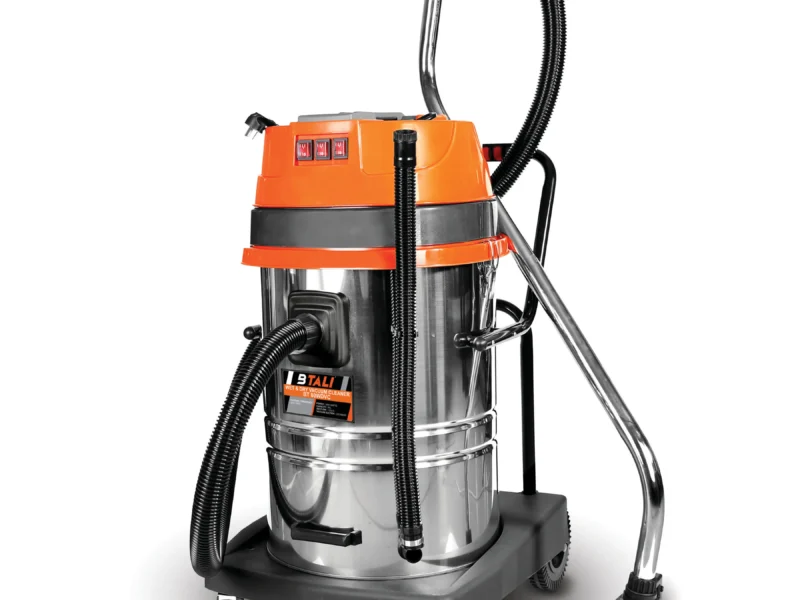
- Wet & Dry Vacuum Cleaner: For tackling spills and wet messes, a wet & dry vacuum cleaner is essential. These often have higher wattage (800-1500 watts) to handle the increased load of liquid extraction. Btali International offers a range of robust wet & dry vacuum cleaner options designed for both home and commercial use.
- Industrial Vacuum Cleaner: For demanding commercial and industrial environments, an industrial vacuum cleaner is a must. These machines are built for heavy-duty use and often feature powerful motors with high wattage ratings (1000-2000 watts or more). Btali International specializes in providing high-performance industrial vacuum cleaner solutions for various industries.
- Professional Vacuum Cleaner: Professional vacuum cleaner are designed for commercial use and are built to last. They often have higher wattage and more robust components to handle frequent and demanding use.
Beyond Wattage: Other Factors Influencing Performance
While wattage provides a general indication of power, several other factors significantly impact a vacuum cleaner’s performance:
- Airflow (CFM – Cubic Feet per Minute): Airflow measures the volume of air the vacuum can move per minute. Higher CFM generally translates to better suction and debris removal. This is a more accurate indicator of cleaning power than wattage alone.
- Suction (Air Watts): Air Watts is a more precise measurement of suction power, taking into account both airflow and pressure. It’s considered the gold standard for comparing vacuum cleaner performance.
- Brushroll Design: The type and design of the brushroll play a crucial role in carpet cleaning. A powerful brushroll can agitate and loosen embedded dirt and debris.
- Filtration System: A high-quality filtration system, such as HEPA filtration, is essential for trapping allergens and dust mites, improving air quality.
- Sealing: Proper sealing throughout the vacuum cleaner is critical for maintaining suction power. Leaks can significantly reduce cleaning efficiency.
- Motor Type: Brushless motors are more efficient and durable than traditional brushed motors, often allowing for better performance at lower wattage. Btali International prioritizes incorporating advanced motor technology in our best vacuum cleaner models.
Efficiency and Wattage: The Modern Perspective
Modern vacuum cleaner technology is increasingly focused on efficiency. Manufacturers are striving to deliver powerful cleaning performance while minimizing energy consumption. This means that a lower-wattage vacuum cleaner can often outperform a higher-wattage model from a previous generation.
Look for features like:
- Brushless Motors: These motors are more efficient and generate less heat.
- Multi-Cyclone Technology: This technology separates dust and debris from the airflow, preventing clogging and maintaining suction power.
- Optimized Airflow Design: Efficient airflow design maximizes suction and cleaning performance.
Choosing the Right Vacuum Cleaner: A Btali International Approach
At Btali International, we understand that choosing the right vacuum cleaner is a personal decision. Here’s our advice:
1. Assess Your Needs: Consider the types of flooring you have, the size of your home, and any specific cleaning challenges (e.g., pet hair, allergies).
2. Don’t Focus Solely on Wattage: Look beyond wattage and consider airflow (CFM), suction (Air Watts), brushroll design, and filtration system.
3. Read Reviews: Research different models and read reviews from other customers.
4. Consider Your Budget: Vacuum cleaner prices vary widely. Set a budget and stick to it.
5. Explore Btali International’s Range: Btali International offers a wide selection of vacuum cleaner for home, industrial vacuum cleaner, and professional vacuum cleaner to meet every need and budget. Our knowledgeable team is always available to provide expert advice and help you find the perfect floor cleaning vacuum machine.
Conclusion: Wattage is Just One Piece of the Puzzle
While wattage remains a relevant factor in understanding a vacuum cleaner’s power potential, it’s no longer the sole determinant of performance. Modern technology has revolutionized vacuum cleaner design, allowing for efficient cleaning with lower wattage consumption. By considering airflow, suction, brushroll design, filtration, and motor type, you can make a more informed decision and choose the best vacuum cleaner for your needs. Trust Btali International to provide you with high-quality, efficient, and powerful vacuum cleaner solutions for a cleaner, healthier home or workplace. We are committed to providing the best vacuum cleaner options available.
Frequently Asked Questions (FAQs)
Q: Is a higher wattage vacuum cleaner always better?
A: Not necessarily. Modern vacuum cleaners are more efficient, and a lower-wattage model can often outperform a higher-wattage model from a previous generation.
Q: What is Air Watts, and why is it important?
A: Air Watts is a more precise measurement of suction power, taking into account both airflow and pressure. It’s a better indicator of cleaning performance than wattage alone.
Q: What type of vacuum cleaner is best for pet hair?
A: A vacuum cleaner with a powerful brushroll and strong suction is essential for removing pet hair. Look for models specifically designed for pet owners.
Q: Does HEPA filtration really make a difference?
A: Yes, HEPA filtration can significantly improve air quality by trapping allergens and dust mites.
Q: Where can I find reliable information about vacuum cleaner performance?
A: Look for independent reviews and testing data from reputable sources. Btali International also provides detailed product specifications and customer support to help you make an informed decision.