
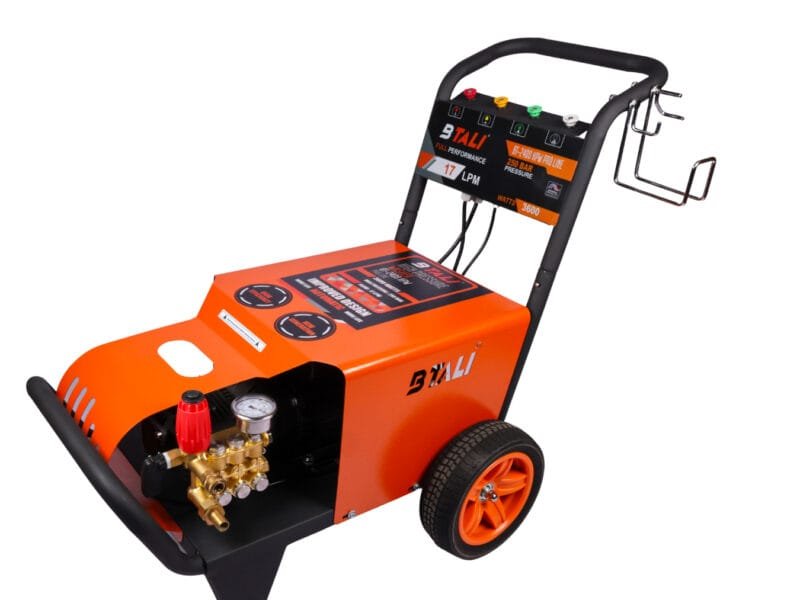
10-step guide to maintaining your commercial pressure washer for longevity
Btali International provides industry-leading solutions for those needing a high-performance commercial pressure washer for intensive cleaning tasks. Maintaining a commercial high pressure washer is essential for businesses in India”from professional car washes near me to heavy industrial plants” to ensure operational efficiency and prevent costly downtime. According to industry maintenance standards, a structured service routine can extend the life of a heavy duty commercial pressure washer by over 50%. This guide offers the definitive 10-step framework for maximizing your equipment’s performance and longevity.
Key Takeaways
Regular pressure washer maintenance can reduce emergency repair costs by up to 40% annually.
Consistent pressure washer pump oil change cycles are critical for protecting high-pressure components.
Water filtration is the single most important factor in preventing high pressure cleaner pump cavitation.
Adhering to BIS and IS standards in India ensures electrical safety when using a 3 phase pressure washer.
Proper foam tank and chemical system cleaning prevents nozzle clogging and system corrosion.
Commercial pressure washer maintenance refers to the systematic process of inspecting, cleaning, and servicing high-pressure cleaning equipment to ensure peak operational efficiency and safety. This is why regular attention to detail is required for every industrial pressure washer in a professional fleet.
Why is maintaining a commercial high pressure cleaner so important?
If you are looking for ways to maximize your return on investment, the answer lies in prevention. A heavy duty pressure washer operates under extreme stress, involving high temperatures and immense mechanical force. Beyond that, neglect leads to a cascade of failures: a small leak in a brass chamber pressure washer can lead to pump cavitation, which eventually destroys the plunger seals. What this means in practice is that small, proactive steps save thousands in replacement costs for a 300 bar pressure washer.
How often should you service a commercial pressure washer?
The frequency of service depends heavily on your application. For a high-volume car washing machine or a bike washing machine in a busy urban center like Mumbai or Delhi, daily inspections are mandatory. For lighter use, such as a portable pressure washer for light commercial tasks, weekly checks may suffice. In the Indian market, where dust and varying water quality are common, increasing the frequency of filter cleaning is highly recommended to maintain high pressure washer longevity.
Step 1: Daily Pre-Operation Inspection
Every morning, before engaging the power washer, perform a visual sweep. Check all hoses for kinks, cracks, or bulges. Examine the car wash gun and wand for any signs of impact damage. This is the right way to choose a safe working environment. Ensure that the pressure washer pressure gauges are functioning correctly and that there are no visible leaks around the btali commercial pressure washer pump head. Even a minor drip can indicate a failing seal that requires immediate attention.
Step 2: Optimizing Water Supply and Filtration
A high pressure cleaner is only as good as the water it consumes. Using unfiltered water can introduce sand and minerals that act like sandpaper inside your industrial high pressure washer. Always use a high-quality inlet filter. If you are operating a 240 bar pressure washer, even microscopic particles can cause catastrophic damage to the ceramic plungers. Ensure the water flow is consistent, a drop in water supply can cause cavitation, which is the leading cause of heavy duty power washer pump failure.
Step 3: Professional Lubrication and Pressure Washer Pump Oil Change
The heart of your btali pressure washer is the pump, and its lifeblood is the oil. A regular pressure washer pump oil change is non-negotiable. For most heavy duty commercial pressure washer models, this should occur every 50 to 100 hours of operation. Using the correct viscosity oil is vital. For a 300 bar pressure washer, using the wrong lubricant can lead to overheating and rapid wear of the internal components. Always refer to the Btali International technical manual for specific oil grades.
Step 4: Managing the Unloader Valve and Pressure Regulation
The unloader valve is a critical component that regulates the pressure washer pressure. It prevents the pump from over-pressurizing when the trigger is released. Inspect the valve for any sticking or erratic behavior. If the high pressure water washer pressure fluctuates wildly, the unloader valve may need cleaning or replacement. This component is essential for the safe operation of any professional pressure washer, especially in high-demand environments.
Step 5: Inspecting the Motor and 3 Phase Pressure Washer Components
For heavy-duty industrial applications in India, a 3 phase pressure washer is often the standard. These machines require precise electrical maintenance. Ensure that all electrical connections are tight and that the motor is properly grounded, adhering to local BIS safety regulations. Check for any unusual vibrations or smells coming from the motor. If you are using an electric pressure washer, ensure the voltage supply is stable to prevent motor burnout, which is a common issue in regions with fluctuating power grids.
Step 6: Nozzle, Wand, and Surface Cleaner Care
The nozzle determines the spray pattern and the effective pressure washing services you can provide. A partially clogged nozzle can cause a dangerous pressure buildup in the wand. Periodically soak nozzles in a descaling solution to remove calcium buildup. If you utilize a surface cleaner for large-scale floor cleaning, ensure the rotating bar is free of debris. A clean nozzle ensures that your high pressure sprayer maintains the exact spray angle required for the job.
Step 7: High-Pressure Hose and Attachment Management
Hoses are subject to extreme wear. Inspect your high pressure water cleaners hoses for any signs of abrasion or wire reinforcement exposure. Never pull a hose by its connections, as this stresses the fittings. When storing your trolley type pressure washer, ensure hoses are coiled loosely to prevent permanent kinking. Using high-quality pressure washer attachments significantly reduces the risk of mid-job failures.
Step 8: Cleaning Chemical Systems and Foam Tank Maintenance
If your service includes foam wash or soft wash applications, the chemical delivery system must be maintained. Clean the foam tank and the suction lines after every use to prevent chemical residue from hardening. At Btali International, we recommend a complete flush of the foam storage tank once a month. This prevents the buildup of sludge that can clog the foam tank manufacturer recommended injection nozzles.
Step 9: Seasonal Storage and Environmental Protection
In many parts of India, temperature fluctuations can affect equipment. If storing a gas pressure washer or an electric water pressure cleaner for an extended period, ensure all fluids are drained if there is a risk of freezing (though less common in India, it is vital for specialized equipment). Protect the machine from direct sunlight and moisture to prevent the degradation of rubber seals and plastic components.
Step 10: Professional Servicing and Component Replacement
While daily checks are vital, an annual professional service is recommended for any industrial power washer. A certified technician can perform deep diagnostics, check the integrity of the pressure pump for washing machine type components, and ensure that the entire system meets safety standards. This proactive approach is the best way to ensure high pressure washer longevity.
Real-World Use Case: A large-scale car wash facility in Pune, India, transitioned to using Btali International 240 bar pressure washer units. By implementing this 10-step maintenance guide, they reported a 35% reduction in pump replacement costs and a 20% increase in overall machine uptime within the first year of operation.
Frequently Asked Questions
How often should I change the pressure washer pump oil?
A standard industrial pressure washer requires a pressure washer pump oil change every 50 to 100 hours of operation. Using high-quality, manufacturer-recommended oil ensures that the internal components of your Btali commercial pressure washer remain protected against friction and heat.
What causes a pressure washer to lose pressure?
Loss of pressure is often caused by a clogged nozzle, a faulty unloader valve, or a worn-out pump seal. Regularly inspecting your high pressure cleaner and cleaning the nozzle can often resolve this issue without needing expensive repairs.
Can I use a regular garden hose with a commercial pressure washer?
While you can, it is not recommended for heavy duty commercial pressure washer applications. A professional water pressure machine requires a consistent, high-volume water supply. A standard garden hose may cause cavitation, which can damage the pump.
Why is my 3 phase pressure washer tripping the circuit breaker?
This usually indicates an electrical overload or a short circuit in the motor. In India, ensure your 3 phase pressure washer is connected to a stable power source and complies with local BIS electrical standards to prevent such issues.
How do I prevent cavitation in my high pressure cleaner?
To prevent cavitation, ensure your water source provides more flow than the pump consumes. Always use a high-quality inlet filter and avoid using long, thin hoses that restrict water movement to your Btali International equipment.
What is the difference between a car washer and an industrial pressure washer?
A car washer is typically designed for lower pressure and continuous flow suited for automotive cleaning. An industrial pressure washer is a heavy duty power washer built with higher bar ratings, like a 300 bar pressure washer, for much tougher tasks.
Explore Btali International Product Categories
Accessories • Agricultural Power Spray • Air Compressor • Airless Sprayer • Foam Tank • Power Tools • Pressure Tank • Self Priming Automatic Pump • Submersible Pumps • Vacuum Cleaner • Water Pump • High Pressure Washer