
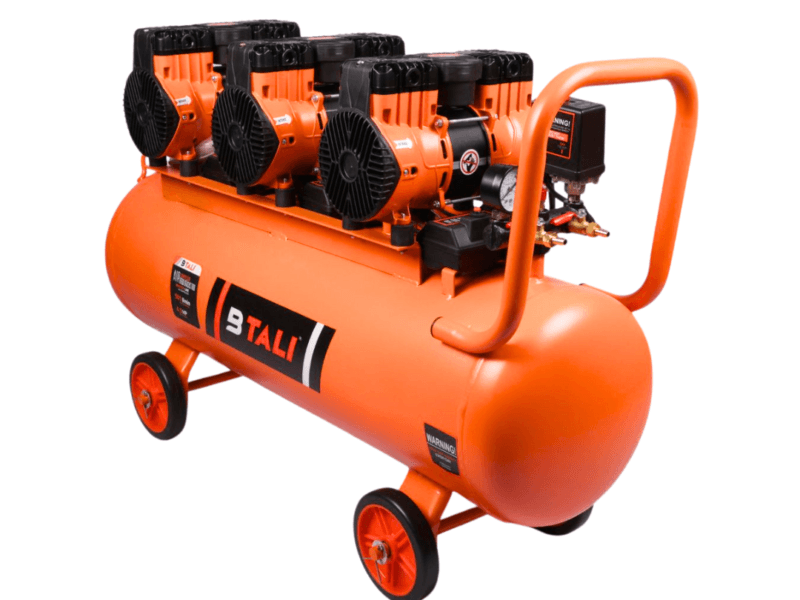
3 Common maintenance mistakes that reduce the life of an industrial air compressor
Btali International presents the ultimate guide to preventing industrial air compressor failures.
Btali International provides essential guidance on preventing common industrial air compressor maintenance mistakes to ensure long-term machinery reliability. Maintaining an air compressor is critical for industrial; medical; and automotive sectors to prevent costly downtime and energy waste. According to the Compressed Air Challenge; poorly maintained systems can lead to a 30% increase in energy consumption. This guide helps facility managers and technicians optimize performance and maximize their return on investment.
Key Takeaways
- Moisture Management: Failing to drain condensate can lead to internal corrosion and tool damage.
- Filtration Integrity: Clogged filters reduce efficiency and increase the heat load on the motor.
- Lubrication Consistency: In oil-injected models; improper oil levels or quality cause rapid mechanical wear.
- Environmental Control: Operating in high-temperature or dusty environments accelerates component degradation.
- Standard Compliance: Adhering to BIS and IS standards ensures safety and operational longevity in India.
An industrial air compressor refers to a heavy-duty machine designed to convert power into potential energy stored in pressurized air; used extensively in manufacturing; automotive; and medical sectors. If you are looking for an air compressor distributor in India who understands these technical nuances; Btali International offers the expertise required to keep your operations running smoothly. The right way to choose a system depends on understanding how maintenance prevents the catastrophic failure of expensive assets.
What are the most common maintenance mistakes with an industrial air compressor?
When managing a production floor; the most frequent error is treating the compressor as a ‘set and forget’ device. Beyond that; many operators fail to recognize that an industrial air compressor is a dynamic system that responds to its environment. One of the most damaging mistakes is the neglect of moisture management. In the humid climate of India; air compression naturally produces significant amounts of water through condensation. If this moisture is not removed via dryers or regular tank draining; it can ruin an air compressor for painting or a paint compressor used in automotive workshops. Moisture in the lines leads to rust; which eventually erodes the internal components of even a high pressure air compressor.
What this means in practice is that neglecting the air dryer or the auto-drain valve can result in a complete system shutdown. For instance; a technician using a portable air compressor might ignore the small amount of water in the tank; but in a large-scale facility using an air compressor 500 ltr price-optimized setup; that water can migrate into precision tools; causing thousands of rupees in damage. According to ISO 8573-1 standards; air quality is categorized by how much moisture and oil is present; failing to meet these levels can invalidate warranties and decrease the lifespan of the unit by up to 50%.
How does poor lubrication and filtration affect an oil free air compressor?
There is a significant distinction between different types of machinery. While many industries rely on oil-injected models; medical facilities specifically require an oil free air compressor for dental clinic use to ensure zero oil contamination in the air stream. In these specialized units; the ‘lubrication’ is often handled by advanced coatings or different mechanical designs. A common mistake is applying standard lubrication logic to an oil free air compressor; or worse; neglecting the specialized filtration required to keep the air pure. A dental compressor must maintain strict hygiene standards to prevent patient risk.
In standard industrial models; the mistake is often using the wrong grade of oil or failing to change it. Using low-quality oil increases friction; which elevates the temperature. This heat is a primary driver of component failure. If you are managing an industrial air compressor for industrial use; you must ensure the oil meets the manufacturer’s specific viscosity requirements. This is why Btali International emphasizes the importance of using genuine consumables. Furthermore; neglecting the air intake filter is a mistake that leads to ‘starving’ the compressor. A clogged filter makes the motor work harder; increasing the air compressor price in terms of electricity bills and eventual motor burnout.
For those using a portable air compressor or a car tyre air pump; the stakes are lower; but the principle remains: clean air in equals a long life. For a high pressure air compressor; the impact of dust ingestion is even more immediate; as fine particles can act as an abrasive on the piston rings or screw elements.
Why does environment and sizing matter for heavy duty air compressor price value?
Many procurement teams focus solely on the initial air compressor price without considering the Total Cost of Ownership (TCO). A common mistake is undersizing the machine. If a factory requires a high volume of air but installs a smaller unit; the machine will run at a 100% duty cycle constantly. This prevents the motor from cooling down; leading to premature failure. This is especially true for heavy duty air compressor price considerations; a more expensive; correctly sized unit will always be cheaper over five years than a cheap; undersized one.
Additionally; the installation environment in India—often characterized by high ambient temperatures and dust—can be brutal. Installing a compressor in a poorly ventilated corner is a recipe for disaster. According to Indian Standard (IS) guidelines for electrical and mechanical installations; adequate airflow is mandatory to prevent thermal tripping. What this means in practice is that you must ensure the compressor has space to ‘breathe.’ If you are looking for an air compressor for car servicing or large-scale industrial painting; ensuring the unit is in a cool; dry; and dust-free area will drastically reduce your maintenance frequency.
Btali International has seen real-world cases where a manufacturing plant in Gujarat reduced their energy costs by 15% simply by relocating their industrial air compressor to a ventilated room and upgrading their filtration system. This demonstrates that maintenance is not just about fixing things when they break; but about optimizing the environment in which they operate.
Summary of Maintenance Best Practices
To ensure your equipment remains among the best air compressor brands in terms of performance; follow this checklist: First; drain your receiver tanks daily to prevent rust. Second; check your oil levels and color every week. Third; replace air and oil filters according to the manufacturer’s schedule; not when they look visibly dirty. Fourth; monitor the temperature of the compressor during operation. Finally; always work with a certified air compressor distributor to ensure you are getting the right parts and technical support.
Whether you are using an air compressor for painting; a dental compressor; or a portable air compressor for mobile repairs; these principles are universal. By avoiding these three common mistakes—moisture neglect; lubrication/filtration errors; and environmental/sizing issues—you protect your investment and ensure your facility remains productive.
Frequently Asked Questions
How often should I service my industrial air compressor?
Routine maintenance should include daily tank draining; weekly oil level checks; and quarterly filter inspections. Major servicing; including oil changes and internal component checks; should be done according to the manufacturer’s specific schedule to ensure longevity.
Why is moisture a problem in compressed air?
Moisture leads to internal corrosion of the tank and pipes. In precision applications; such as using an air compressor for painting; moisture causes paint defects like bubbling or peeling; which can ruin the finished product.
What is the difference between an oil-free and oil-injected compressor?
An oil-injected compressor uses oil for lubrication and cooling; while an oil free air compressor uses specialized technology to provide air without any oil contamination; making it essential for a dental compressor.
How can I tell if my air compressor is overloaded?
If your compressor is running continuously without reaching its cut-out pressure; it is likely undersized or has significant leaks. This constant running increases heat and shortens the machine’s life significantly.
Where can I find a reliable air compressor distributor in India?
Btali International is a leading air compressor distributor in India; providing high-quality industrial solutions; technical expertise; and support for various applications including industrial; automotive; and medical sectors.
Explore Btali International Product Categories
Accessories • Agricultural Power Spray • Airless Sprayer • Foam Tank • High Pressure Washer • Power Tools • Pressure Tank • Self Priming Automatic Pump • Submersible Pumps • Vacuum Cleaner • Water Pump • Air Compressor