
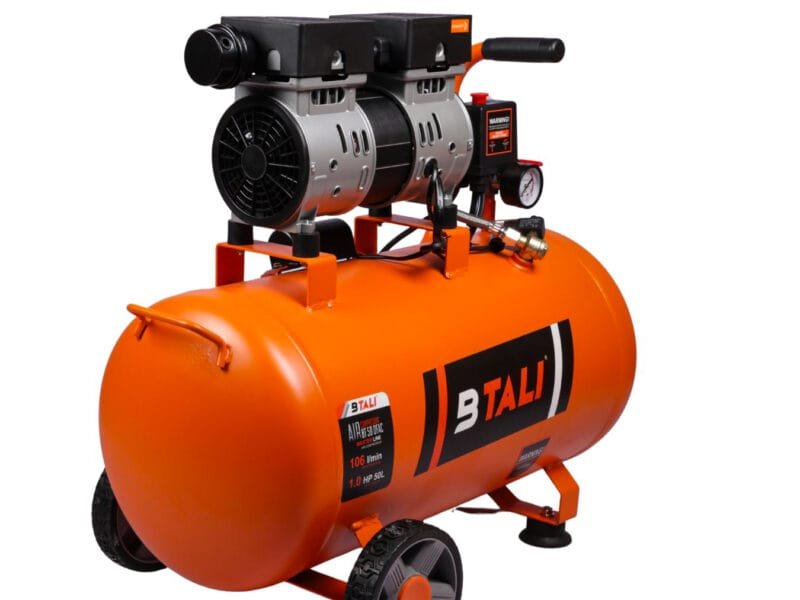
3 Common reasons why your portable air compressor is losing pressure quickly.
Btali International provides expert solutions for anyone dealing with a portable air compressor losing pressure rapidly. A portable air compressor is a compact; mobile device designed to store and release pressurized air for various applications; ranging from automotive maintenance to medical procedures. According to the Compressed Air and Gas Institute (CAGI); even minor leaks in a compressed air system can result in a 25% to 30% reduction in overall energy efficiency. This guide identifies why your pressure is dropping and how to fix it.
- Identify Leaks: Most pressure loss is caused by air leaks in hoses; fittings; or seals.
- Check Valves: A faulty check valve or pressure switch can prevent the compressor from maintaining steady pressure.
- Tank Integrity: Internal corrosion or moisture buildup can compromise the air tank.
- Maintenance Matters: Regular drainage and lubrication are essential for longevity.
- Compliance: Always ensure equipment meets BIS or IS standards for safety in India.
3 Common Reasons Why Your Portable Air Compressor Is Losing Pressure Quickly
When you are in the middle of a critical task; a portable air compressor losing pressure can bring your entire operation to a standstill. Whether you are using an air compressor for painting or an oil-free air compressor for dental clinic use; maintaining consistent PSI is vital. A portable air compressor refers to a mobile unit that provides pressurized air to power pneumatic tools; and any drop in this pressure directly affects tool performance and safety. If you are looking for a reliable air compressor distributor in India; understanding these technical failures is the first step toward efficient procurement and maintenance.
Why does my portable air compressor lose pressure so fast?
One of the most common questions we encounter at Btali International is; “Why is my air compressor not holding pressure?” The answer usually falls into one of three categories: mechanical leaks; component failure; or structural tank issues. In the Indian market; where high humidity can accelerate wear and tear; these issues are particularly prevalent.
1. Air Leaks in Hoses; Fittings; and Seals
Beyond that; the most frequent culprit is simply an air leak. Because a portable air compressor is moved frequently; the hoses and connection points are subject to constant physical stress. Small cracks in the rubber hose or loose fittings can lead to massive pressure drops.
What this means in practice is that even a tiny hiss can be heard if you listen closely. In many cases; the leak isn’t in the tank itself but in the quick-connect couplers used with an air compressor for car maintenance or a car tyre air pump. If you are using a paint compressor; ensure that the seals on your spray gun connections are intact. Over time; O-rings dry out and crack; allowing air to escape. For those operating in industrial sectors; ensuring that all joints are tightened according to ISO technical specifications can prevent this common issue.
2. Faulty Check Valves and Pressure Switches
What this means for your machine’s efficiency is that the internal components might be failing. The check valve is a critical component that allows air to flow into the tank but prevents it from flowing back into the pump. If this valve is clogged with debris or worn out; air will leak back through the pump head; causing the pressure to drop even when the machine is off.
Similarly; the pressure switch is responsible for turning the motor on and off at specific intervals. If the switch is malfunctioning; it may not signal the motor to start when the pressure hits the lower threshold. This is especially important when dealing with a high pressure air compressor where precise pressure control is mandatory for safety. For medical professionals using a dental compressor; a faulty pressure switch can lead to inconsistent air delivery; which is unacceptable in a clinical environment.
3. Internal Tank Corrosion and Moisture Accumulation
This is why regular maintenance is non-negotiable. As air is compressed; moisture naturally condenses inside the tank. In India; the high ambient humidity can significantly increase the amount of water entering the system. If this water is not drained regularly; it leads to internal oxidation and rust.
According to industry standards; such as the Bureau of Indian Standards (BIS); air receiver tanks must be inspected for structural integrity to prevent catastrophic failure. If the tank develops even pinhole-sized rust holes; it becomes a safety hazard. This is particularly dangerous with a heavy duty air compressor price point where users expect long-term reliability. For industrial applications; such as an air compressor for industrial use or an air compressor 500 ltr price tier unit; the volume of moisture can be immense; necessitating high-quality moisture separators and automatic drain valves.
How to maintain an industrial air compressor for longevity?
To prevent these issues; you must implement a rigorous maintenance schedule. What this means is moving from reactive repairs to proactive care. First; always drain your tank at the end of every work session to remove accumulated condensate. This is the single most effective way to prevent tank corrosion.
Second; inspect your hoses and fittings weekly. If you notice any softening or cracking in your portable air compressor lines; replace them immediately. Third; ensure that if you are using an oil free air compressor; you are not attempting to lubricate it with standard oil; as this will ruin the specialized coatings designed for clean air delivery. For those managing an industrial air compressor; checking the oil levels (if applicable) and cleaning the air intake filters is vital for maintaining the correct air-to-fuel ratio in the motor.
Which air compressor is best for my specific application?
Choosing the right machine depends entirely on your workload. If you are a hobbyist needing an air compressor for car tyre inflation; a small; compact model will suffice. However; if you are a professional contractor; you might need the power of an industrial air compressor.
For medical settings; an oil-free air compressor for dental clinic applications is the only choice to ensure the air is free of contaminants. For large-scale manufacturing; an air compressor 500 ltr price assessment becomes necessary to balance power and cost. Btali International recommends evaluating your peak CFM (Cubic Feet per Minute) requirements before purchasing to ensure you don’t under-equip your workspace.
Real-World Use Case: A multi-brand automotive workshop in Pune; India; experienced recurring pressure drops in their primary portable air compressor. After a diagnostic check by our technicians; it was discovered that moisture accumulation had caused a hairline fracture in the check valve. By replacing the valve with a BIS-certified component and installing an automatic moisture trap; the workshop saw a 20% reduction in energy costs and restored consistent pressure for their pneumatic tools.
Frequently Asked Questions
Why is my air compressor not holding pressure?
Most likely; there is an air leak in your hose; a faulty check valve; or a worn-out pressure switch. You should check all connections and listen for hissing sounds to locate the leak quickly.
How can I find air leaks in my compressor?
A common method is to spray a mixture of soapy water on the fittings and hoses. If bubbles form; you have identified the exact location of the air leak.
Is an oil-free air compressor better for dental clinics?
Yes; an oil free air compressor is essential for dental clinics because it ensures the air supplied to patients and tools is free from oil contaminants and vapors.
How often should I drain my air compressor tank?
You should drain your tank at least once a day; especially in humid regions like India. This prevents moisture buildup and protects the tank from internal corrosion.
What is the average air compressor price in India?
The air compressor price varies widely depending on capacity. Small portable units are affordable; while an industrial air compressor or a 500-liter unit will require a higher investment.
How do I know if my compressor meets safety standards?
Look for certification marks such as BIS (Bureau of Indian Standards) or ISO. These certifications ensure the equipment has undergone rigorous testing for pressure safety and durability.
Explore Btali International Product Categories
Accessories • Agricultural Power Spray • Airless Sprayer • Foam Tank • High Pressure Washer • Power Tools • Pressure Tank • Self Priming Automatic Pump • Submersible Pumps • Vacuum Cleaner • Water Pump • Air Compressor