
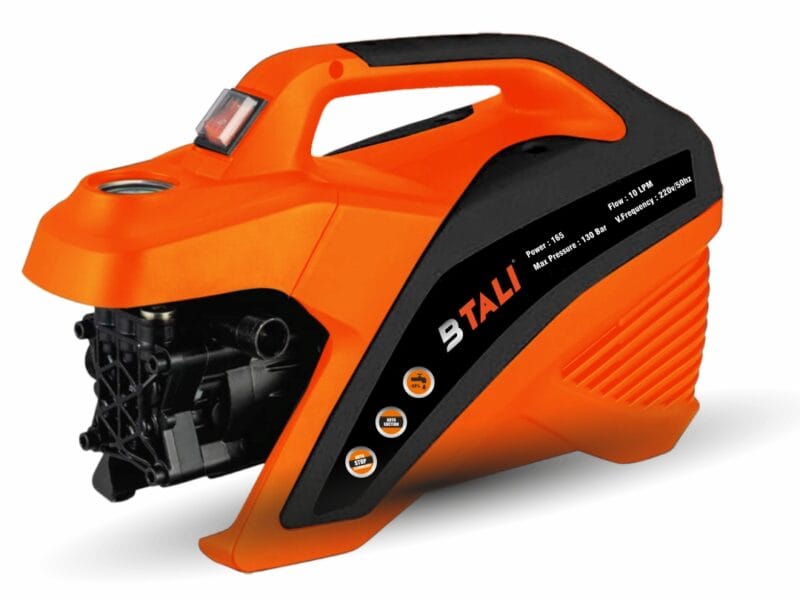
4 Common Mistakes to Avoid When Cleaning Solar Panels with High Pressure
Btali International provides advanced cleaning solutions to ensure your renewable energy assets maintain peak efficiency through professional maintenance. Using a solar panel pressure washer incorrectly can lead to permanent cell damage, making proper technique essential for residential and industrial solar owners. According to the International Renewable Energy Agency (IRENA), dust and soiling can reduce solar PV output by up to 25% in high-dust environments like Rajasthan and Gujarat, India. This guide helps you avoid costly errors during the cleaning process.
Key Takeaways
- Avoid High PSI: Never use a standard high pressure car washer setting, instead, use a regulated solar panel pressure washer to prevent micro-cracks.
- Temperature Control: Cleaning hot panels with cold water causes thermal shock and glass breakage.
- Water Quality: Use deionized or soft water to prevent mineral scaling on the glass surface.
- Chemical Safety: Avoid harsh detergents, stick to specialized foam wash solutions designed for PV modules.
- Safety First: Always utilize proper fall protection and electrical safety standards compliant with Indian regulations.
A Solar panel pressure washer refers to a specialized cleaning system designed to remove particulate matter from photovoltaic surfaces using controlled water pressure without compromising the structural integrity of the glass or the internal silicon cells. If you are looking for a way to boost your energy yield or the right way to choose a cleaning tool for your rooftop, understanding the nuances of pressure and temperature is paramount.
Why is Proper Solar Panel Cleaning Critical in India?
In the Indian context, particularly in states like Rajasthan, Gujarat, and Maharashtra, solar installations face heavy soiling from sand, dust, and bird droppings. This buildup acts as a barrier to sunlight, directly impacting the ROI of your solar investment. While many homeowners might think they can simply use a car washer or a bike washer to clean their panels, this is a dangerous misconception. A standard high pressure cleaner designed for a car pressure washer or a bike washing machine often delivers too much concentrated force, which can shatter the tempered glass or cause invisible micro-cracks in the cells.
What this means in practice is that specialized equipment is required. At Btali International, we recognize that the transition from automotive cleaning to solar maintenance requires a shift in mindset. Beyond that, following BIS (Bureau of Indian Standards) guidelines for electrical installations ensures that your cleaning process doesn’t void your equipment warranty or compromise safety.
What are the 4 Common Mistakes to Avoid?
1. Using Excessive Pressure with a Standard High Pressure Washer
The most frequent mistake is utilizing a high pressure car washer or a heavy-duty industrial pressure washer intended for concrete or vehicles on delicate solar modules. While a high pressure pressure washer is excellent for removing grime from a car pressure cleaner nozzle, solar panels are significantly more fragile. Even a best power washer for home use can be too aggressive if the nozzle is held too close.
When you use an unregulated water pressure machine, the concentrated stream can penetrate the protective laminate. This leads to moisture ingress, which is a leading cause of solar panel failure. Instead, always opt for a portable pressure washer with an adjustable pressure regulator or a specialized surface cleaner attachment that spreads the water flow over a wider area, similar to how a foam wash is applied to a vehicle.
2. Cleaning Panels During Peak Sunlight Hours
Why does timing matter so much? This is due to a phenomenon known as thermal shock. Solar panels in India can reach temperatures exceeding 65°C during the afternoon. If you spray cold water from a power washer onto a hot panel, the rapid temperature change causes the glass to expand and contract too quickly, leading to immediate cracking. This is similar to why you wouldn’t use a bike washer gun on a hot engine block.
The best time to clean is early in the morning or late in the evening when the panels have cooled down. This ensures that the pressure washer high pressure stream interacts with a stable surface, minimizing the risk of thermal stress. This is why professional solar maintenance teams in India strictly schedule cleaning during low-irradiance periods.
3. Using Incorrect Cleaning Agents and Chemicals
Many users attempt to use whatever they have on hand, such as a standard car washing machine detergent or harsh degreasers. This is a major error. Traditional soaps used in a car wash gun can leave behind a thin film of residue or mineral deposits. In the solar industry, this is known as ‘soiling residue,’ which actually makes the panels dirtier over time by attracting more dust.
What this means is that you should use only pH-neutral cleaners or deionized water. If you must use a foam wash, ensure it is specifically rated for solar PV modules. Using a good power washer with the wrong chemical can lead to the corrosion of the aluminum frame, which is why choosing a Btali pressure washer with controlled chemical dosing is a superior choice for long-term maintenance.
4. Ignoring Water Quality and Mineral Content
In many parts of India, groundwater is ‘hard,’ meaning it contains high levels of calcium and magnesium. If you use a portable washer for car use or a general high pressure washer with hard water, you will leave behind white, chalky streaks known as scale. These streaks are not just an aesthetic issue, they create ‘hot spots’ where the sunlight is blocked, causing the cells to overheat and potentially fail.
To avoid this, it is recommended to use a water filtration system or a pressure pump for washing machine setups that incorporate a deionizer. This ensures that when you use your high pressure washer manufacturers’ equipment, the output is pure and leaves no trace. This is a key factor that distinguishes an amateur cleaning job from a professional service provided by experts using Btali International technology.
How to Use a Pressure Washer Correctly for Solar Panels
If you are looking for the best way to maintain your array, follow these steps. First, ensure your cordless pressure washer or plug-in unit is equipped with a wide-fan nozzle. Second, maintain a distance of at least 12 to 18 inches from the panel surface. Third, always work from the top of the array downwards. This prevents dirty water from running over cleaned sections.
Using a Btali pressure washer allows for the precision required to manage these variables. Whether you are a homeowner looking for a best pressure washer for home use or a commercial entity needing a commercial pressure washer, the principles of low-impact, high-volume water cleaning remain the same. This approach is significantly more effective than a standard car pressure cleaner approach because it prioritizes surface area over concentrated force.
Real-World Use Case: Increasing Yield in Rajasthan
A large-scale solar farm in Jodhpur, India, was experiencing a 15% drop in energy efficiency due to heavy dust accumulation. The facility manager initially attempted to use a standard high pressure car washer setup, which resulted in several broken modules. After switching to a specialized cleaning protocol using Btali International‘s regulated industrial pressure washer systems and deionized water, the farm saw a 12% increase in power output within just 48 hours of cleaning. This measurable outcome proves that the method of cleaning is just as important as the cleaning itself.
Comparison: Automotive vs. Solar Cleaning Equipment
While the market is flooded with products like a best car washer, a bike washer, or a car pressure washer, these are not interchangeable with solar tools. A car pressure washer is designed to cut through grease and oil, whereas a solar panel pressure washer is designed to lift fine dust without impacting the glass. Using a heavy duty pressure washer meant for a driveway on a solar array is a recipe for disaster. Always differentiate between a car washer price point and the technical specifications required for renewable energy maintenance.
Frequently Asked Questions
How much pressure is safe for solar panels?
For most residential solar panels, you should maintain a pressure of no more than 30 to 40 PSI. Using a high pressure washer at standard automotive levels (1500+ PSI) will likely cause micro-cracks and permanent damage to the photovoltaic cells.
Can I use my car washer to clean solar panels?
It is not recommended to use a standard car washer or high pressure car washer unless it has a highly adjustable pressure regulator. Most automotive cleaners are too powerful for the delicate glass layers used in solar PV manufacturing.
What is the best time of day to clean solar panels?
The best time is early morning or late evening. This prevents thermal shock, which occurs when cold water from a water pressure machine hits a hot panel, causing the tempered glass to shatter due to rapid temperature changes.
Should I use soap on my solar panels?
Only use pH-neutral, specialized cleaners. Avoid standard soaps used in a car wash gun as they leave films and mineral deposits. These residues can actually reduce solar efficiency by attracting more dust and creating hot spots.
Is a cordless pressure washer good for solar cleaning?
Yes, a cordless pressure washer is excellent for rooftop solar cleaning as it provides mobility without the trip hazard of long cables. However, ensure it has a low-pressure setting to avoid damaging the modules.
In conclusion, while cleaning your solar panels is essential for maximizing your energy harvest, doing it incorrectly can be a very expensive mistake. By avoiding excessive pressure, managing water temperature, using the right chemicals, and ensuring water purity, you can protect your investment. For professional-grade equipment that meets these rigorous standards, Btali International remains the leading choice for solar maintenance across India.
1. Have you checked your solar yield recently to see if cleaning is required?
2. Are you using the correct nozzle type on your current pressure washer for delicate surfaces?
Explore Btali International Product Categories
Accessories • Agricultural Power Spray • Air Compressor • Airless Sprayer • Foam Tank • High Pressure Washer • Power Tools • Pressure Tank • Self Priming Automatic Pump • Submersible Pumps • Vacuum Cleaner • Water Pump