
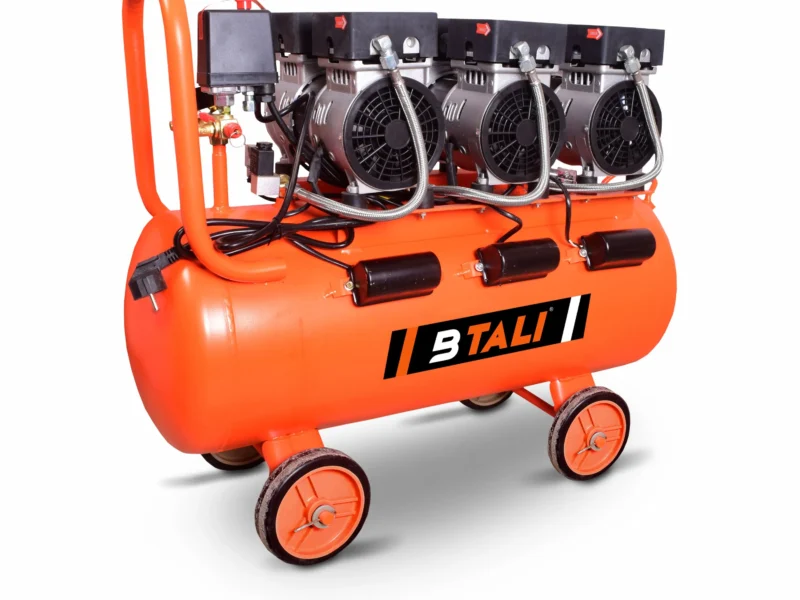
5 Essential steps to extend the life of your industrial air compressor
Btali International provides premium industrial solutions designed to maximize the efficiency and longevity of your machinery through expert guidance and high-quality equipment. Maintaining an industrial air compressor is vital for preventing unexpected downtime; reducing energy consumption; and ensuring the safety of your workforce in manufacturing and medical environments. According to industry performance standards; regular preventative maintenance can increase the operational lifespan of pneumatic systems by up to 40% while reducing energy-related costs by approximately 15%.
Key Takeaways
- Regular lubrication and oil changes prevent internal component friction and overheating.
- Consistent moisture drainage is essential to prevent tank corrosion and air contamination.
- Replacing air filters frequently ensures optimal suction and prevents dust from entering the system.
- Routine inspections of high pressure connections prevent dangerous leaks and energy waste.
- Adhering to BIS and ISO standards ensures safety and regulatory compliance in the Indian market.
An industrial air compressor refers to a heavy-duty mechanical system that converts electrical or mechanical energy into pressurized air to power various tools and industrial processes. If you are looking for an air compressor in India or need to optimize your current setup; understanding the intricacies of maintenance is the first step toward operational excellence.
How can you maintain your industrial air compressor for maximum efficiency?
The foundation of longevity lies in consistent lubrication and monitoring. For those utilizing a standard lubricated model; the quality of oil used is paramount. Btali International recommends using high-grade synthetic oils that are specifically designed to withstand the high temperatures generated during the compression cycle. What this means in practice is that using the wrong oil can lead to sludge buildup; which eventually clogs the valves and causes the motor to overheat.
For specialized environments; such as a dental practice requiring an oil-free air compressor for dental clinic use; the concept of maintenance shifts slightly. Since these systems do not use oil for lubrication; the focus turns toward the integrity of the seals and the cleanliness of the air filters. A dental compressor must provide 100% contaminant-free air to maintain hygiene standards. Beyond that; ensuring that the motor is running within its intended thermal range is critical. In the Indian market; many MSMEs are transitioning to these cleaner technologies to meet strict healthcare regulations.
Why is moisture management crucial for an oil free air compressor and industrial systems?
Moisture is the silent enemy of any pneumatic system. When air is compressed; water vapor condenses into liquid; which can settle in the tank or travel through the lines. If you are operating a paint compressor; even a tiny amount of moisture can ruin the finish of a product; leading to expensive rework. This is why professional air compressor distributors emphasize the importance of automatic drain valves and air dryers.
In a high pressure air compressor system; the pressure-temperature relationship accelerates condensation. If water accumulates in the tank of an air compressor 500 ltr price-sensitive model; it can lead to internal oxidation and eventual structural failure. By implementing a daily drainage routine; you protect the integrity of the vessel. This is especially important in humid climates across India; where ambient moisture levels are naturally higher. For users of a portable air compressor; which may be used in varied environments; ensuring that the small tanks are drained after every use is a non-negotiable step for safety.
What are the best practices for an air compressor for painting and specialized applications?
When using an air compressor for painting; the quality of the air is just as important as the pressure. Contaminants like oil droplets or water particles can cause bubbling and uneven textures. To prevent this; the use of high-quality filtration systems is mandatory. This involves using a combination of water separators; oil coalescing filters; and fine particulate filters.
Beyond that; the air compressor for industrial use must be equipped with a stable pressure regulator. Fluctuations in pressure can lead to inconsistent spray patterns; which impacts the quality of the finished work. If you are managing a large-scale industrial facility; investing in a high-quality paint compressor is more cost-effective in the long run than dealing with the waste generated by poor air quality. Btali International specializes in providing equipment that meets these high-precision requirements; ensuring that your output remains consistent and professional.
How does the air compressor price impact your long-term maintenance strategy?
Many procurement teams in India focus heavily on the initial heavy duty air compressor price when making a purchase. However; the true cost of ownership includes maintenance; energy consumption; and repair costs over several years. A cheaper; low-quality unit may seem attractive; but it often lacks the robust components required for continuous industrial duty.
When evaluating an air compressor price; always consider the availability of spare parts and the manufacturer’s service network. For instance; a portable air compressor used for car maintenance or a car tyre air pump requires quick access to replacement filters and gaskets. If the unit is a niche brand with no local distributor; a minor breakdown can result in weeks of downtime. At Btali International; we advocate for a ‘Total Cost of Ownership’ approach; where the initial investment is balanced against the ease of maintenance and the durability of the machine. This is why we provide guidance on selecting the best air compressor brands that offer long-term value and reliable serviceability in India.
Which steps ensure the safety and reliability of a high pressure air compressor?
Safety is paramount when dealing with pressurized vessels. High pressure air compressors store significant energy; and any failure can be catastrophic. It is essential to ensure that all components; especially safety valves and pressure switches; are regularly tested and certified. In India; it is highly recommended to follow BIS (Bureau of Indian Standards) and IS certifications for all electrical and mechanical components to ensure they can withstand domestic voltage fluctuations and operating conditions.
Regular inspections should include checking for leaks in hoses and connections. A small leak in a high pressure system might seem insignificant; but it forces the compressor to run more frequently; increasing wear on the motor and driving up your electricity bill. If you are using an air compressor for car repairs or a portable air compressor for mobile services; always check the integrity of the hoses and the coupling mechanisms before every shift.
Real-World Use Case: Industrial Optimization in Pune
A leading automotive component manufacturer in Pune recently faced significant production delays due to frequent compressor failures. By switching to a high-performance industrial air compressor provided by Btali International and implementing a strict weekly maintenance schedule including filter replacements and moisture drainage they reduced their unplanned downtime by 65% within the first six months. This shift not only improved their production consistency but also lowered their energy costs by 12%; proving that proactive maintenance is a profit center; not a cost center.
Frequently Asked Questions
How often should I change the oil in my industrial air compressor?
For most oil-lubricated industrial models; oil should be changed every 500 to 1,000 operating hours; or at least once a year. Always refer to the manufacturer’s manual provided by your air compressor distributor to ensure you are meeting the specific requirements of your model.
Why is my air compressor running more often than usual?
This is often caused by air leaks in your pneumatic lines or a clogged air filter. Leaks force the compressor to work harder to maintain pressure; while clogged filters restrict airflow. Inspect your system for hissing sounds and clean or replace your filters immediately.
Can I use a standard air compressor for a dental clinic?
It is not recommended. Dental applications require extremely clean; oil-free air to prevent contamination. You should specifically use an oil-free air compressor for dental clinic environments to ensure patient safety and meet medical hygiene standards.
How can I tell if my air compressor tank is corroding?
Listen for unusual sounds during operation and check for signs of rust on the exterior of the tank. If you notice moisture buildup inside the lines; it is a sign that your drainage system is failing; which can lead to internal tank corrosion.
What is the difference between a portable air compressor and an industrial one?
A portable air compressor is designed for mobility and smaller; intermittent tasks like a car tyre air pump. An industrial air compressor is built for continuous; heavy-duty use in factories; offering much higher CFM (Cubic Feet per Minute) and larger tank capacities.
Next Steps for Your Maintenance Plan
Now that you understand the essentials; the next logical steps are to create a written maintenance log for your facility and to audit your current air supply for leaks. Are you ready to upgrade your equipment to a more efficient system? Contact Btali International to explore our range of high-performance compressors tailored for the Indian industrial landscape.
Explore Btali International Product Categories
Accessories • Agricultural Power Spray • Airless Sprayer • Foam Tank • High Pressure Washer • Power Tools • Pressure Tank • Self Priming Automatic Pump • Submersible Pumps • Vacuum Cleaner • Water Pump • Air Compressor