
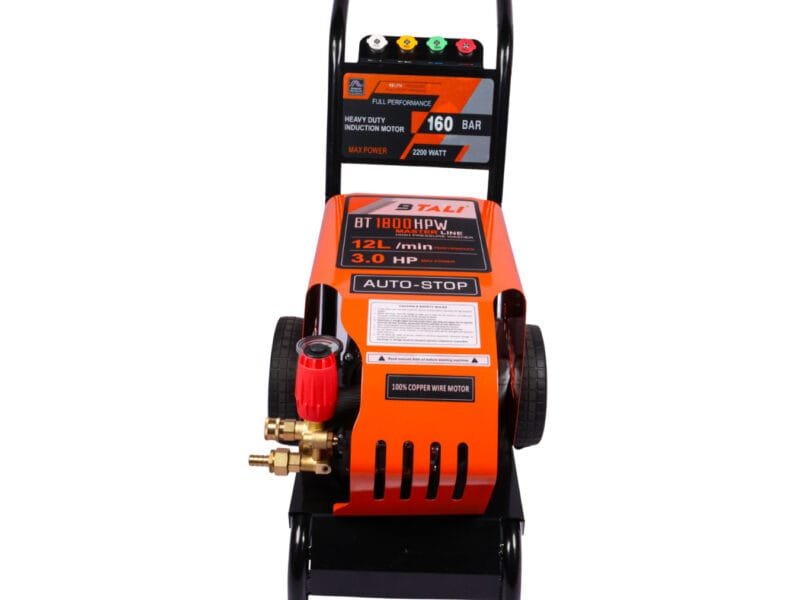
5 Step-by-step guide to cleaning solar panels using a solar panel pressure washer.
Btali International provides the industry-leading cleaning solutions required to maintain peak efficiency in renewable energy systems through specialized high-pressure equipment. Solar panel cleaning is a vital maintenance task because; according to the International Renewable Energy Agency (IRENA); accumulated dust and environmental soiling can reduce solar energy output by up to 25% to 30% in certain regions. This guide is essential for homeowners; solar farm operators; and maintenance professionals in India who need to ensure their solar investments deliver maximum returns.
Key Takeaways
- Regular cleaning with a solar panel pressure washer can increase energy yield by up to 30%.
- Using excessive pressure can cause micro-cracks; always use regulated high pressure cleaner settings.
- Btali International equipment is engineered to meet industrial durability standards for long-term use.
- Deionized or soft water is recommended to prevent mineral scaling on the glass surface.
- Properly maintained solar panels contribute to higher ROI in the Indian energy market.
A solar panel pressure washer refers to a specialized cleaning device designed to remove particulate matter from photovoltaic surfaces using controlled water pressure without damaging the delicate glass or silicon cells. If you are looking for a solar panel pressure washer in India; understanding the balance between cleaning power and surface safety is the first step toward successful maintenance. The right way to choose a tool is to consider the pressure output; nozzle variety; and the ability to handle large-scale commercial installations.
Why is Solar Panel Cleaning Necessary in India?
In the Indian subcontinent; environmental factors such as high dust concentrations; agricultural residue; and seasonal monsoons create a unique set of challenges for solar energy production. Beyond that; the accumulation of bird droppings and industrial pollutants can create ‘hot spots’ on the modules; which may lead to permanent cell damage. This is why using a dedicated high pressure washer is far more effective than manual wiping; which often leaves streaks or scratches.
What this means in practice is that a regular cleaning schedule is not just an option but a financial necessity. In many parts of Rajasthan or Gujarat; dust accumulation can reach critical levels within weeks. For those managing large arrays; employing an industrial pressure washer ensures that the cleaning is thorough and efficient; reducing the labor hours required compared to manual methods. While a standard car washer might seem sufficient; it lacks the specific pressure regulation needed for sensitive solar glass.
What is the Best Power Washer for Solar Panels?
When selecting equipment; it is important to differentiate between general-purpose tools and specialized cleaners. A high pressure car washer or a bike washing machine is built to strip grease and dirt from metal and paint; but solar panels require a more nuanced approach. The best power washer for solar use is one that offers adjustable PSI (pounds per square inch) and a wide-angle spray pattern to prevent concentrated force from hitting a single point on the glass.
Btali International offers a range of products; including the heavy duty pressure washer series; which can be adapted for solar maintenance. If you are looking for a portable washer for car use that also works for small residential solar setups; a cordless pressure washer might provide the convenience you need. However; for commercial solar farms; an industrial pressure washer with a high-capacity water pressure machine is the industry standard. This ensures that the cleaning process is not interrupted by low flow rates.
When comparing a car pressure cleaner to a solar-specific tool; the primary difference lies in the nozzle technology. A solar-ready setup often utilizes a surface cleaner attachment or a soft-spray nozzle to ensure the entire surface is covered evenly. This prevents the uneven drying that can lead to mineral deposits; which is a common issue when using a standard car wash gun on delicate surfaces.
How to Use a Pressure Washer for Solar Cleaning: A 5-Step Guide
Mastering the technique is just as important as having the right hardware. Follow these steps to ensure a safe and effective cleaning process.
Step 1: Pre-Cleaning Inspection and Site Safety
Before turning on your power washer; conduct a visual inspection of the solar array. Look for any visible cracks; loose wiring; or signs of thermal damage. In India; it is crucial to ensure that all electrical connections are properly insulated and meet BIS (Bureau of Indian Standards) safety certifications. Safety is paramount when working around high-voltage equipment; always use insulated tools and ensure the system is properly grounded. This is why Btali International emphasizes high-quality; safety-tested components in all their heavy duty pressure washer models.
Step 2: Initial Rinse with a High Pressure Cleaner
Begin by using a light spray to rinse away loose dust and debris. This prevents the abrasive particles from being rubbed into the glass during the subsequent steps. Use a high pressure cleaner with a wide-angle nozzle setting. Avoid using the highest pressure pressure washer setting directly on the glass. Instead; aim for a gentle; consistent flow that effectively displaces the top layer of grime. This initial rinse also helps to cool the panels if they have been under intense sunlight.
Step 3: Targeted Cleaning Using a Surface Cleaner
For heavily soiled panels; you may need a more intensive approach. This is where a surface cleaner attachment becomes invaluable. A surface cleaner provides a uniform cleaning action across the entire module; preventing the ‘streaking’ effect often seen with manual cleaning. If you are using a portable pressure washer; ensure you have enough water supply to maintain a steady flow. This step is where you remove the stubborn organic matter that a simple rinse cannot touch. What this means in practice is a much deeper clean that restores the glass’s transparency.
Step 4: Detailed Rinsing and Foam Wash (If Necessary)
If the panels are coated in oily residue or heavy agricultural film; a foam wash may be required. Using a specialized cleaning solution designed for solar modules can help break down these stubborn substances. After applying the solution; perform a thorough rinse. Ensure that no soap residue is left behind; as dried soap can actually block sunlight and decrease efficiency. This is a critical step that many DIY users overlook when they attempt to use a standard car washer on solar assets.
Step 5: Final Inspection and Drying
The final step is to perform a final rinse with clean; preferably deionized; water. This helps to prevent water spots. Once the cleaning is complete; inspect the panels one last time to ensure they are clear and free of streaks. A clean panel should look almost invisible; allowing maximum photon absorption. Once verified; the system is ready to return to peak operational capacity. After cleaning; it is wise to monitor the energy output to confirm the measurable improvement in performance.
Comparing Solar Cleaning with Car and Bike Washing
It is common for maintenance teams to use the same equipment for various tasks; such as using a bike washer or a car pressure washer for solar cleaning. While it is possible; it is not always optimal. A bike washer gun is typically designed for high-impact cleaning of mud and grease; which can be too aggressive for the protective coatings on solar glass. Similarly; while a car pressure cleaner is excellent for automotive maintenance; it may not have the specific flow characteristics required for large; flat solar surfaces. Btali International provides specialized solutions that bridge this gap; offering the power of an industrial pressure washer with the precision required for renewable energy infrastructure.
Real-World Use Case: Solar Farm Optimization in Rajasthan
To illustrate the impact of professional cleaning; consider a recent project involving a 5MW solar installation in Rajasthan; India. The facility was experiencing a 22% drop in expected energy output due to heavy desert dust accumulation. By implementing a scheduled cleaning regimen using Btali International’s industrial pressure washer systems and specialized surface cleaners; the facility operators were able to restore energy output to within 98% of the rated capacity within just three cleaning cycles. This measurable outcome demonstrates that investing in the right high pressure washer and a professional cleaning protocol provides a rapid return on investment by maximizing daily kilowatt-hour production.
Frequently Asked Questions
How much pressure is safe for solar panels?
For most modern solar panels; you should avoid direct high-pressure blasts. It is best to use a wide-angle nozzle with a pressure that is significantly lower than what you would use for a heavy-duty car pressure washer. Aim for a gentle but consistent flow to prevent micro-cracks in the silicon cells.
Can I use a standard car wash gun on my solar panels?
While a car wash gun can work; you must be extremely careful with the nozzle type. Most car-specific tools are designed for concentrated cleaning. For solar panels; you should ensure you are using a soft-spray or wide-fan nozzle to distribute the water pressure evenly across the glass surface.
How often should I clean my solar panels in India?
In dust-prone regions of India; cleaning every two to four weeks is often recommended to maintain efficiency. However; this depends on your specific location; proximity to construction or agricultural sites; and local weather patterns. Regular monitoring of energy output can help you determine the ideal frequency.
Is a cordless pressure washer good for solar cleaning?
A cordless pressure washer is an excellent choice for residential solar panels or small rooftop installations. It offers great portability and ease of use. However; for large-scale commercial or industrial solar farms; a corded industrial pressure washer is preferred due to its higher water capacity and continuous power.
What is the best way to prevent water spots on solar panels?
The best way to prevent water spots is to use deionized or distilled water for the final rinse. If that is not feasible; ensure you are using a high-quality rinse technique with a wide-angle spray and finish the cleaning during a time when the panels are not under direct; intense sunlight to allow for even drying.
After mastering these steps; you might wonder: Which specific nozzle attachment is best for large-scale solar farms? or How do I integrate solar cleaning into a long-term maintenance contract? These are excellent next steps for professionals looking to optimize their renewable energy management strategies.
Explore Btali International Product Categories
Accessories • Agricultural Power Spray • Air Compressor • Airless Sprayer • Foam Tank • Power Tools • Pressure Tank • Self Priming Automatic Pump • Submersible Pumps • Vacuum Cleaner • Water Pump • High Pressure Washer