
How to fix a clogged car wash gun in high-traffic car washes.
How to Fix a Clogged Car Wash Gun in High-Traffic Car Washes
Btali International offers specialized expertise in maintaining high-performance cleaning equipment; ensuring your facility operates without interruption. A clogged car wash gun is a critical operational bottleneck in high-traffic environments; leading to reduced service speed and potential hardware damage. According to industrial maintenance standards for commercial pressure washers; approximately 35% of nozzle-related downtime is caused by untreated mineral buildup or particulate matter. Addressing this issue promptly is essential for maintaining consistent customer throughput and equipment longevity in demanding car wash environments.
- A clogged car wash gun is typically caused by mineral scale; sediment; or soap residue buildup within the nozzle or trigger assembly.
- Regular inspection of your high pressure cleaner can prevent major mechanical failures and reduce long-term repair costs.
- Using high-quality; BIS-certified components ensures that your pressure washer can withstand the rigorous demands of a commercial setting.
- Implementing a filtration system is the most effective way to prevent debris from entering your water pressure machine and causing clogs.
- Promptly replacing a damaged car wash gun is more cost-effective than allowing a clog to damage your industrial pressure washer pump.
A car wash gun refers to the handheld spray device used to direct high-pressure water streams onto vehicles; and it is a vital component of any professional cleaning setup. If you are looking for a reliable car washer in India; understanding the mechanics of this tool is paramount. In the fast-paced automotive service industry; even a minor blockage in your high pressure car washer can result in significant revenue loss. What this means in practice is that maintenance must be proactive rather than reactive.
What causes a car wash gun to clog?
Understanding the root cause of a blockage is the first step toward a permanent fix. In high-traffic car washes; the volume of water passing through the system is immense; which can inadvertently pull in contaminants. One of the most common culprits is calcium and magnesium buildup; often referred to as limescale. This is particularly prevalent in many parts of India where hard water is common. When hard water is processed through a high pressure cleaner; these minerals precipitate and harden within the narrow orifice of the nozzle.
Another significant factor is the use of low-quality surfactants or excessive foam wash chemicals. If the chemical-to-water ratio is not precisely calibrated; the soap can coagulate within the car wash gun; creating a sticky residue that traps sand and grit. Additionally; if your facility uses a surface cleaner or works on heavy machinery; fine particulates can migrate into the hose and eventually settle in the gun. This is why utilizing a high-quality btali pressure washer with advanced filtration is highly recommended to mitigate these risks.
Furthermore; debris from the water source itself; such as rust from old pipes or sand from well water; can enter the water pressure machine. For those operating a bike washer or a bike washing machine; even small amounts of organic matter can lead to quick blockages. Beyond that; mechanical wear on the internal seals of the gun can create small fragments of rubber or plastic that obstruct the flow; making your high pressure pressure washer feel sluggish or inconsistent.
How to fix a clogged car wash gun in high-traffic car washes?
When a clog occurs; the speed of your response determines your downtime. The right way to choose a repair method depends on whether the blockage is in the nozzle or the internal trigger mechanism. For most professionals; the first step is to isolate the car pressure washer and depressurize the system completely to ensure safety. Attempting to fix a power washer while under pressure is extremely dangerous and can lead to serious injury.
Step 1: Nozzle Inspection and Cleaning
Remove the nozzle from the tip of the car wash gun. Inspect it under bright light for visible obstructions. If you see mineral buildup; a soak in a mild descaling solution (like white vinegar or a professional-grade descaler) can often dissolve the scale. For stubborn clogs; use a dedicated nozzle cleaning tool or a small wire; but be extremely careful not to enlarge the orifice; as this will change the spray pattern and reduce the pressure washer high pressure effectiveness. This is a common task when maintaining a heavy duty pressure washer in a commercial setting.
Step 2: Examining the Trigger and Internal Seals
If the nozzle is clear but the flow is still restricted; the issue likely lies within the gun’s internal valve. Disassemble the car pressure cleaner gun according to the manufacturer’s specifications. Look for worn O-rings or trapped debris within the trigger assembly. In many cases; replacing the internal seals with high-grade; industrial-strength components is necessary. If you are using an industrial pressure washer; ensure that any replacement parts meet the relevant IS (Indian Standards) to maintain the machine’s rated pressure capabilities.
Once reassembled; reconnect the gun to your high pressure washer. Slowly introduce water to check for leaks. A successful repair should result in a consistent; powerful stream without any sputtering. If the issue persists; the blockage might be located further upstream; potentially in the pressure pump for washing machine or the main supply line. At this stage; it may be necessary to consult a professional high pressure washer manufacturers specialist or contact Btali International for technical support.
Why is regular maintenance essential for a heavy duty pressure washer?
In a high-volume commercial environment; equipment longevity is directly tied to profitability. Neglecting a commercial pressure washer can lead to a cascading failure. For instance; a partially clogged gun forces the pressure pump to work harder to maintain the required PSI (pounds per square inch); which increases heat and accelerates mechanical wear. This is why scheduled maintenance is not just an option; it is a business necessity. In the Indian market; where equipment often operates in high-dust and high-temperature conditions; this is even more critical.
What this means in practice is that your maintenance schedule should include weekly nozzle inspections and monthly seal replacements. If you are utilizing a portable washer for car cleaning or a larger car washing machine; the frequency of these checks might vary; but the principle remains the same. Furthermore; ensuring your equipment is compliant with BIS standards provides an extra layer of security; guaranteeing that the highest pressure pressure washer you operate can handle the thermal and mechanical stresses without catastrophic failure.
We recently observed a real-world use case in a high-traffic car wash in Bangalore. The facility was experiencing a 15% drop in vehicle throughput due to intermittent spray issues. After implementing a rigorous cleaning protocol for their car wash gun and installing secondary inline filters; they reported a 20% increase in operational efficiency within the first month. This demonstrates that even small adjustments to maintenance routines can yield significant measurable outcomes in terms of both speed and equipment life.
Which tools are needed for nozzle cleaning?
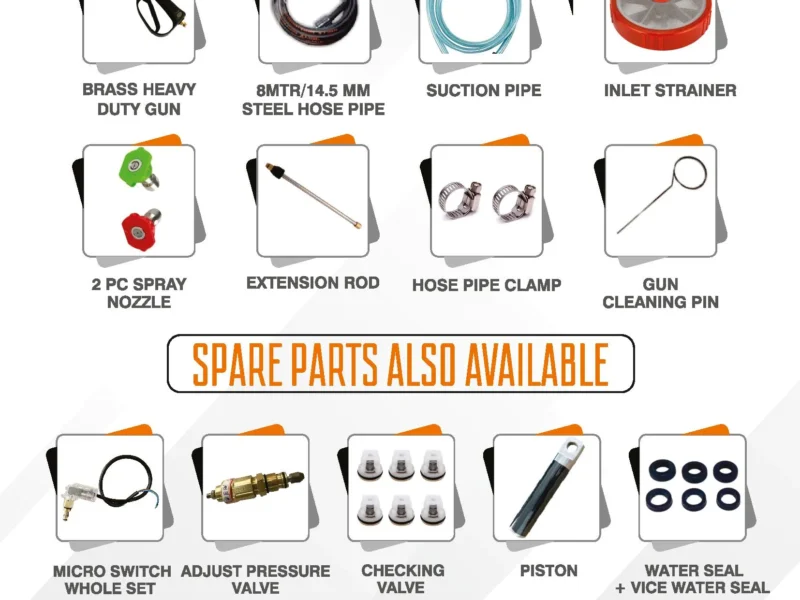
To perform these repairs effectively; you should have a dedicated maintenance kit. This should include specialized nozzle cleaning needles; a set of precision screwdrivers for disassembling the car washer gun; and high-quality replacement O-rings. For larger industrial setups; having access to a descaling agent specifically formulated for high-pressure systems is advisable. If you are using a cordless pressure washer; the cleaning process is similar; but you must ensure the battery is removed during disassembly to prevent accidental activation.
Beyond basic tools; having a surface cleaner attachment and a foam wash lance ready for testing can help verify that the pressure is being distributed correctly across all attachments. For those managing multiple sites; a standardized toolkit ensures that every technician can perform repairs to the same high standard; maintaining the reputation of your car washes near me service.
How to prevent future blockages in high pressure cleaners?
Prevention is always more efficient than a mid-shift repair. To keep your high pressure cleaner running smoothly; consider the following strategies:
- Install Inline Water Filters: This is the single most effective way to catch sediment before it reaches your car wash gun.
- Water Softening: If your facility deals with hard water; a water softener can drastically reduce mineral scale buildup.
- Chemical Dilution Control: Use automated proportioning systems to ensure your foam wash chemicals are properly diluted; preventing coagulation.
- Daily Flush: At the end of each shift; flush the system with clean water to remove any residual chemicals or loose particulates.
- Scheduled Component Replacement: Don’t wait for a failure. Replace nozzles and seals based on the manufacturer’s recommended hours of operation.
Whether you are looking for the best pressure washer for home use or an industrial pressure washer for a massive commercial hub; these preventative measures will protect your investment. For more information on high-performance cleaning solutions; explore the range of products offered by Btali International; where quality and durability are our primary focus.
After mastering the art of gun maintenance; you might naturally wonder: How does nozzle angle affect cleaning efficiency? or When should I replace my entire pressure washer unit instead of just the gun? These are excellent next steps in optimizing your professional cleaning operations.
Frequently Asked Questions
How can I clean a clogged pressure washer nozzle?
Start by removing the nozzle and soaking it in a descaling solution like white vinegar for 30 minutes. If that fails; use a specialized nozzle cleaning pin to gently clear the obstruction. Never use sharp metal objects that could deform the orifice.
Can I use household vinegar to fix my car wash gun?
Yes; white vinegar is an effective; mild acid for dissolving calcium buildup in a car wash gun. It is a safe and cost-effective solution for most minor mineral clogs found in commercial and home cleaning equipment.
Why is my high pressure car washer losing pressure?
Pressure loss is often caused by a clogged nozzle; a leaking seal in the car wash gun; or a failing pump. Check the nozzle first; as it is the most common culprit for sudden pressure drops.
<pWhat is the difference between a portable pressure washer and an industrial one?
Portable pressure washers are designed for convenience and light-duty tasks like home car washing. In contrast; industrial pressure washers are built for continuous; high-volume use with much higher PSI and flow rates for commercial applications.
How often should I service my car pressure cleaner?
In high-traffic commercial environments; a thorough inspection should be performed weekly. However; deep mechanical servicing should occur every 500 to 1;000 hours of operation; depending on the specific manufacturer’s guidelines and water quality.
Is it worth repairing a broken car wash gun?
If the blockage is in the nozzle or involves simple seal replacement; repair is highly cost-effective. However; if the gun housing is cracked or the trigger mechanism is mechanically failed; replacing it with a new Btali International unit is safer and more efficient.
Explore Btali International Product Categories
Accessories • Agricultural Power Spray • Air Compressor • Airless Sprayer • Foam Tank • Power Tools • Pressure Tank • Self Priming Automatic Pump • Submersible Pumps • Vacuum Cleaner • Water Pump • High Pressure Washer