
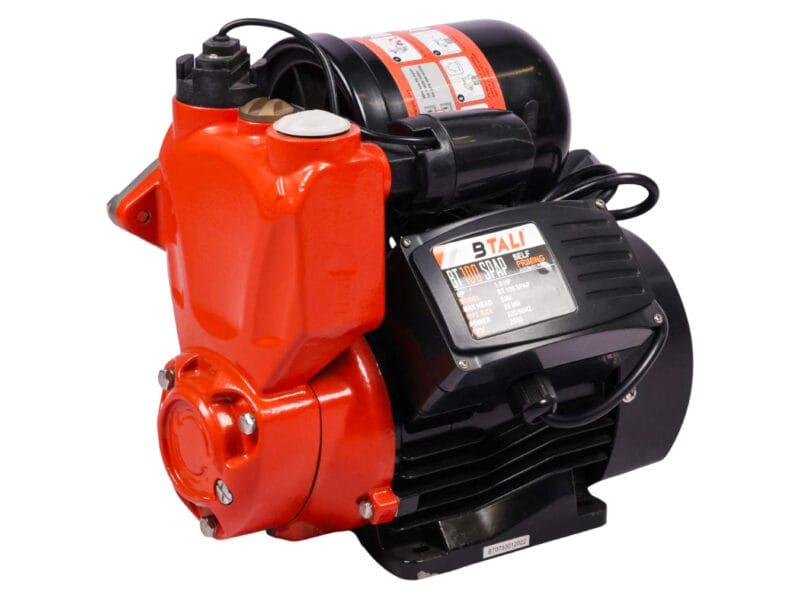
How to Maintain an Automatic Self-Priming Pump to Prevent Water Pressure Drops
Btali International provides the essential expertise needed to master the maintenance of your self priming pump to ensure uninterrupted water flow and equipment longevity. Maintaining a self priming pump is critical because even minor air leaks or component wear can lead to significant water pressure drops in residential and agricultural systems. According to industry technical standards; performing routine preventative maintenance can increase the operational lifespan of an automatic water pump by up to 45% compared to neglected units. This guide offers a comprehensive roadmap for optimizing your system’s performance.
Key Takeaways
- Regularly inspect mechanical seals to prevent air suction; which is the leading cause of pressure drops.
- Clean suction filters and foot valves monthly to maintain optimal flow rates in your self priming water pump.
- Ensure all electrical connections comply with BIS and IS standards to prevent motor burnout.
- Monitor the priming chamber frequently to ensure it remains filled with liquid as required for automatic operation.
A self priming pump refers to a specialized type of centrifugal pump designed to clear air from the suction line and create a vacuum to lift water without requiring manual priming every time the pump is started. This capability makes the self priming pump an indispensable tool for various applications; from domestic water supply to large-scale irrigation. If you are looking for a reliable way to manage your water supply in India; understanding the nuances of pump maintenance is the first step toward efficiency.
What is a self priming pump and how does it function?
To understand maintenance; one must first understand the mechanics. Unlike standard centrifugal pumps; a self priming water pump contains a specialized chamber that holds a certain amount of liquid. When the motor starts; the impeller creates a vacuum that draws the remaining air out of the suction pipe and into the pump casing; where it is then discharged. Once the air is removed; the liquid is lifted; creating a continuous flow. This process is what defines an automatic water pump in most modern installations. At Btali International; we emphasize that the integrity of this vacuum is what determines your water pressure stability.
In the Indian market; domestic users often prefer an automatic pump for home because it simplifies daily chores. However; the complexity of the priming mechanism means that even a tiny crack in the casing or a worn-out O-ring can introduce air; leading to what technicians call ‘losing prime.’ When the pump loses prime; it can no longer create the necessary vacuum; resulting in a sudden and frustrating drop in water pressure.
Why does water pressure drop in an automatic water pump?
What this means in practice is that a drop in pressure is rarely a single-issue problem; it is usually a symptom of a deeper mechanical or hydraulic failure. One of the primary reasons is air ingress. If the suction line has even a microscopic leak; the self priming pump will suck in air instead of water. This air breaks the continuous column of liquid; causing the pressure to plummet. Beyond that; mineral buildup—common in many parts of India due to hard water—can clog the impeller or the suction strainer; restricting flow and reducing the pump’s ability to maintain pressure.
Another critical factor is the degradation of the mechanical seal. The seal is responsible for preventing water from leaking out and air from leaking in. If you notice moisture around the pump shaft; your seal is likely failing. This is why we recommend that users of an automatic self priming pump for home inspect the pump area weekly for any signs of dampness. Furthermore; electrical fluctuations can affect the motor’s RPM. In many Indian rural areas; voltage instability can cause the motor to run slower than designed; which directly impacts the discharge pressure. Ensuring your setup includes a voltage stabilizer is a proactive way to protect your pump priming pump system.
How to maintain an automatic self priming pump for home use?
The right way to choose a maintenance schedule is to base it on your usage frequency. For a standard automatic pump for home; a monthly check-up is usually sufficient. Start by inspecting the suction pipe for any signs of cracks or loose joints. Use soapy water on suspected leak points; if bubbles form when the pump is running; you have found your air leak. Following this; check the pressure switch. The pressure switch tells your automatic water pump when to turn on and off. If the switch is fouled with debris; it may trigger the pump too late or not at all; leading to inconsistent pressure.
What this means for your domestic water supply is that a clean system equals a steady flow. You should also check the check valve (or non-return valve). This component ensures that water does not flow back into the source once the pump stops. If the check valve fails; the pump will lose its prime every time it shuts down; requiring you to manually refill the priming chamber. Btali International suggests that for most urban Indian households; replacing the check valve every two years can prevent 90% of common pressure-drop complaints.
Maintaining a self priming pump for agriculture in India
Agricultural applications demand much more from a machine than domestic setups. When using a self priming pump for agriculture; the pump is often exposed to more dust; silt; and varying water qualities. In states like Punjab or Maharashtra; where irrigation is a lifeline; a pump failure can lead to significant crop loss. Therefore; maintenance must be more rigorous. The suction strainer must be cleaned more frequently to prevent silt from entering the impeller; which can cause severe erosion and cavitation.
Cavitation is a phenomenon where tiny vapor bubbles form and implode against the impeller; causing physical damage. This is often caused by a restricted suction line or a pump operating too far above its recommended head. To prevent this; ensure that the self priming pump for agriculture is sized correctly for the depth of your water source. Furthermore; always adhere to the BIS (Bureau of Indian Standards) guidelines for motor insulation and duty cycles. Using a pump that meets IS standards ensures that it can handle the heavy load of irrigation cycles without the motor overheating. Btali International has seen that farmers who implement a bi-weekly cleaning schedule for their suction filters see a 25% reduction in energy consumption due to improved hydraulic efficiency.
Which components require frequent inspection?
To stay ahead of repairs; focus on these four critical areas:
- The Priming Chamber: Ensure it is free of debris and can hold a full volume of water.
- Mechanical Seals and O-rings: These are the frontline defense against air leaks.
- The Impeller: Check for signs of wear; pitting; or blockage from sand and grit.
- The Foot Valve: Essential for maintaining the prime in deep-well or tank applications.
This is why technical expertise is vital. For complex issues; such as motor winding failures or internal casing cracks; it is always best to consult a professional. Btali International provides high-quality components and guidance to help you navigate these technical challenges effectively. By maintaining these parts; you ensure that your self priming water pump remains a reliable asset rather than a recurring expense.
In conclusion; preventing water pressure drops is about vigilance and understanding the specific needs of your pump. Whether you are managing an automatic self priming pump for home or a heavy-duty agricultural unit; the principles of air-tightness; cleanliness; and electrical stability remain the same. By following the steps outlined in this guide; you can enjoy consistent water pressure and a longer-lasting pump system.
Frequently Asked Questions
How do I know if my self priming pump is losing prime?
If you notice a sudden drop in water pressure; or if the pump runs loudly without delivering water; it is likely losing prime. This usually indicates air is entering the system through a leak in the suction line or a faulty mechanical seal.
Why is my automatic water pump making loud noises?
Loud or grinding noises often indicate cavitation or worn-out bearings. Cavitation occurs when there is insufficient water flow; causing bubbles to implode. If the noise is a high-pitched screech; the mechanical seals or bearings likely need immediate replacement.
What is the best way to clean a self priming water pump filter?
The best way is to shut off the power; disconnect the suction strainer or foot valve; and rinse it thoroughly with clean water. Use a soft brush to remove silt and debris; ensuring no obstructions remain before reinstalling.
How often should I service an automatic pump for home?
For most residential setups; a basic inspection of leaks and the pressure switch should be done monthly. A more thorough professional service; including checking the motor insulation and mechanical seals; is recommended once every year to ensure longevity.
Can I use a self priming pump for agriculture in dry seasons?
Yes; but you must be extra careful. During dry seasons; water levels drop; which can increase the risk of cavitation and dry running. Ensure your pump has a dry-run protection sensor and that the suction depth is monitored constantly.
Next Steps: After reading this; you might wonder: How do I calculate the correct suction lift for my specific pump model? Or; what are the energy-saving benefits of upgrading to a BEE star-rated automatic pump? Exploring these topics will further enhance your water management expertise.
Explore Btali International Product Categories
Accessories • Agricultural Power Spray • Air Compressor • Airless Sprayer • Foam Tank • High Pressure Washer • Power Tools • Pressure Tank • Submersible Pumps • Vacuum Cleaner • Water Pump • Self Priming Automatic Pump