
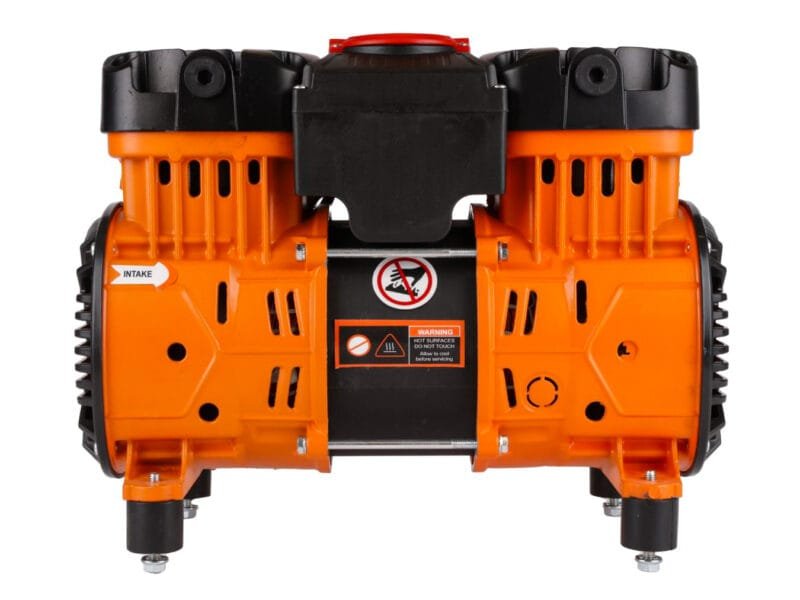
How to prevent moisture buildup in compressed air dryers for paint spraying.
Preventing moisture buildup in compressed air dryers is a critical requirement for professional painters; automotive technicians; and industrial manufacturers who demand flawless finishes. Moisture contamination in the air stream leads to bubbling; peeling; and poor paint adhesion; which can ruin expensive coatings. According to ISO 8573-1 international standards; air quality is strictly categorized by water and oil content to ensure process reliability. This guide explores effective moisture management strategies to protect your equipment and ensure superior paint results.
Key Takeaways
- Install specialized dryers: Using a refrigerated or desiccant dryer is the most effective way to remove liquid water from your air line.
- Regular Tank Drainage: Manually or automatically draining your air compressor tank prevents water from being pushed into your lines.
- Use Moisture Separators: High-quality filters and separators act as the first line of defense against condensation.
- Maintain Temperature Control: Keeping your compressor room cool helps reduce the amount of water vapor entering the system.
- Monitor Pressure Drops: A sudden drop in pressure often indicates clogged filters or moisture buildup in the dryer.
Btali International understands that achieving a high-quality finish starts with the quality of the air you use. If you are looking for a reliable air compressor for painting; you must look beyond the motor and consider the entire air treatment system. Moisture buildup refers to the accumulation of liquid water within the compressed air delivery system; typically caused by the cooling of compressed air which holds significantly more water vapor than ambient air. This phenomenon can lead to catastrophic failures in sensitive applications; ranging from an oil free air compressor used in medical settings to a heavy-duty paint compressor in an automotive workshop.
Why is moisture buildup so damaging to your paint compressor?
When you use an air compressor for painting; the air is forced through a small nozzle at high velocity. If that air contains even microscopic water droplets; they will emerge from the spray gun along with the paint. This results in ‘fish eyes;’ cratering; or spotting in the finish. Beyond the aesthetic damage; moisture causes internal corrosion within your industrial air compressor components; reducing the lifespan of the machine. This is why investing in a high-quality air compressor distributor like Btali International is vital; we provide systems designed to handle these environmental challenges.
What this means in practice is that moisture doesn’t just affect the paint; it affects your bottom line. For instance; if you are managing an automotive shop in India; the high humidity levels during the monsoon season can exponentially increase the moisture load on your system. Without proper drying; you may find yourself constantly checking the air compressor price for replacements due to rusted internal valves and corroded lines.
How to choose the right air compressor for painting in India?
Selecting the right equipment depends heavily on your specific application. For a small garage; a portable air compressor might suffice; but for large-scale manufacturing; you will need a high-capacity industrial air compressor. In the Indian market; many businesses look for an air compressor 500 ltr price that balances initial cost with long-term efficiency. When purchasing; ensure the unit meets BIS (Bureau of Indian Standards) to guarantee safety and performance in our local climate.
Beyond that; consider the type of air required. If you are working in a dental clinic; an oil-free air compressor for dental clinic applications is mandatory to prevent oil contamination. Similarly; if you are using a high pressure air compressor for industrial coating; a desiccant dryer is often preferred over a refrigerated one because it can achieve much lower dew points. For those needing a mobile solution; a portable air compressor with an integrated moisture trap is a smart investment.
The role of refrigerated vs. desiccant dryers
To prevent moisture; you must understand your options. A refrigerated dryer works by cooling the compressed air to a temperature where water condenses and is then drained away. This is excellent for most air compressor for industrial use scenarios. However; if your application requires extremely dry air such as high-end automotive painting or pharmaceutical work a desiccant dryer is the superior choice. Desiccant dryers use chemical beads to absorb moisture; providing much higher levels of dryness.
According to industry technical specifications; a refrigerated dryer typically maintains a dew point of +3°C; while a desiccant dryer can reach -40°C or lower. This distinction is crucial when determining the total air compressor price for your setup; as desiccant systems are more expensive but offer unparalleled air purity. Btali International offers a range of solutions to suit these varying technical requirements.
Real-World Use Case: Enhancing Finish Quality in an Indian Automotive Workshop
Consider a medium-sized automotive spray booth in Chennai; India. The workshop was experiencing a 15% rejection rate due to water spots in the clear coat. After consulting with Btali International; they upgraded their standard air compressor setup with a dedicated refrigerated dryer and a high-efficiency moisture separator. Within three months; their rejection rate dropped to less than 1%; and the maintenance costs for their paint compressor decreased significantly. This measurable outcome highlights how air treatment is just as important as the compressor itself.
Maintenance Checklist for Moisture Prevention
To ensure your industrial air compressor remains moisture-free; follow this rigorous maintenance schedule:
- Daily: Drain the moisture from the bottom of the air tank. If you use a car tyre air pump or small portable air compressor; ensure they are emptied after use.
- Weekly: Check the auto-drain valves on your dryer to ensure they are functioning correctly.
- Monthly: Inspect all air filters and replace them if they show signs of saturation. A clogged filter can cause pressure drops that lead to condensation.
- Quarterly: Test the dew point of your air stream to verify the dryer’s performance.
This is why proactive maintenance is more cost-effective than reactive repairs. When searching for the best air compressor brands; always look for those that offer robust after-sales support and easy-to-source replacement parts. Btali International prides itself on being a leading air compressor distributor; ensuring our clients in India always have access to the components they need to keep their air dry and clean.
Advanced Tips: Integrating High-Pressure Systems
If you are operating a high pressure air compressor; the amount of moisture generated is significantly higher due to the physics of compression. In these cases; a single dryer might not be enough. We recommend a multi-stage approach: first; use a water separator to remove bulk liquid; second; use a refrigerated dryer for primary cooling; and third; use a desiccant dryer for final polishing. This ensures that even when using an air compressor for car detailing or heavy industrial coating; your air remains pristine.
What this means in practice is that your equipment investment is protected. Whether you are looking for a dental compressor for a clinic or a large-scale air compressor for industrial use; the principles of moisture control remain the same. Don’t let a simple moisture issue compromise the quality of your work or the longevity of your Btali International equipment.
Frequently Asked Questions
How do I prevent moisture in my paint compressor?
To prevent moisture; you should install a refrigerated or desiccant dryer and use high-quality moisture separators. Additionally; regularly draining your air tank and maintaining a cool operating environment for your compressor will significantly reduce water accumulation in your lines.
What is the best air compressor for painting?
The best air compressor for painting is one that is paired with an efficient air drying system. For professional results; an industrial-grade compressor with a desiccant dryer is recommended to ensure the air is completely free of water and oil contaminants.
Why does my air compressor produce water?
Water is produced during compression because compressed air contains water vapor. As the air cools within the tank or lines; the vapor condenses into liquid water. This is a natural physical process that requires a dryer or regular drainage to manage.
Can I use a portable air compressor for professional painting?
While a portable air compressor can be used for small tasks; professional painting usually requires a larger; more stable supply of dry air. For consistent; high-quality finishes; an industrial-grade system with dedicated moisture control is highly preferred.
How often should I drain my air compressor tank?
You should drain your air compressor tank at least once a day. For high-humidity environments or heavy industrial use; automatic drain valves are highly recommended to ensure moisture is removed continuously without manual intervention.
Next-step considerations for readers:
1. Have you calculated the total dew point required for your specific coating application?
2. Is your current air filtration system sufficient to meet ISO 8573-1 standards?
Explore Btali International Product Categories
Accessories • Agricultural Power Spray • Airless Sprayer • Foam Tank • High Pressure Washer • Power Tools • Pressure Tank • Self Priming Automatic Pump • Submersible Pumps • Vacuum Cleaner • Water Pump • Air Compressor