
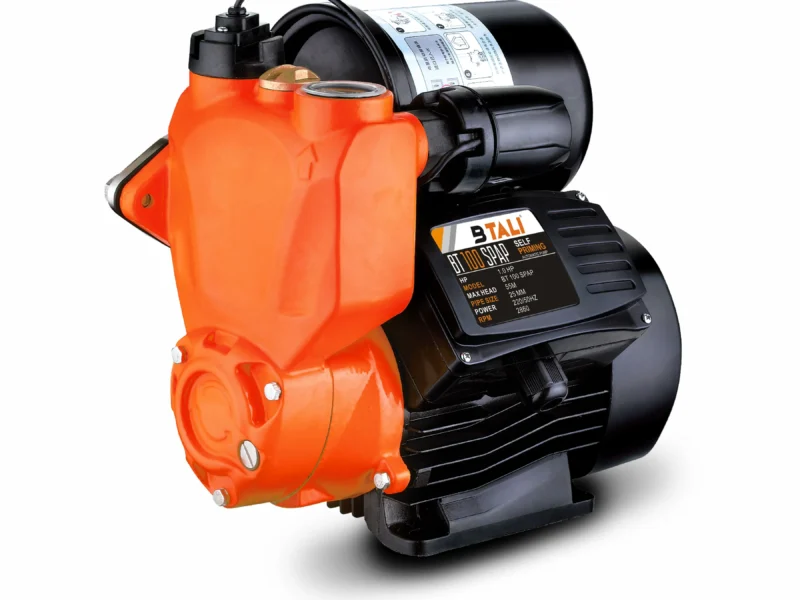
Is an Automatic Pump for Home More Energy Efficient Than Manual Systems?
Is an Automatic Pump for Home More Energy Efficient Than Manual Systems?
Btali International provides advanced water management solutions designed to optimize domestic and agricultural water usage through high-efficiency technology. An automatic water pump is a crucial tool for modern households and farms, as it automates the water delivery process, ensuring that energy is only consumed when water is actively being used. For homeowners in India looking to reduce utility costs and for farmers requiring reliable irrigation, understanding the transition from manual to automated systems is essential for long-term sustainability and cost savings.
According to recent Indian energy efficiency audits, automated residential water systems can reduce unnecessary motor run-time by up to 25%. Furthermore, industry standards from the Bureau of Energy Efficiency (BEE) suggest that smart-controlled motors contribute significantly to the overall reduction of the residential carbon footprint. Whether you are managing a small household or a large-scale agricultural plot, the shift toward an automatic pump for home usage represents a significant leap in both operational convenience and resource conservation.
Key Takeaways
- Energy Savings: Automatic systems prevent over-pumping and reduce idle motor time, leading to lower electricity bills.
- Operational Ease: An automatic self priming pump for home eliminates the need for constant manual intervention and priming.
- Durability: Smart sensors protect motors from dry running, extending the lifespan of the equipment.
- Precision: Pressure-regulated systems ensure consistent water pressure throughout the plumbing network.
- Sustainability: Reduced energy consumption aligns with global and Indian environmental standards for resource management.
What is an Automatic Water Pump?
An automatic water pump refers to a pressurized water delivery system that integrates a pressure switch or a digital controller to activate the motor automatically when a drop in pressure is detected and shuts it off once the desired pressure level is achieved. This is fundamentally different from manual systems where a human must physically turn the motor on and off. If you are looking for an automatic water pump in India, the right way to choose a product is to look for integrated pressure sensors and high-efficiency motors that comply with BIS standards.
Why is an Automatic Pump for Home More Energy Efficient Than Manual Systems?
The primary reason an automatic pump for home outperforms manual systems in energy efficiency is the elimination of human error. In manual setups, users often leave the pump running longer than necessary, or they may fail to turn it off immediately after a task is complete. This leads to massive energy wastage and unnecessary wear on the motor. What this means in practice is that your electricity meter keeps running even when your water tank is already full or your taps are closed.
Beyond that, modern automatic water pump technology utilizes variable frequency drives (VFD) or sophisticated pressure switches that maintain the system at an optimal equilibrium. When a tap is opened, the pressure drops, the sensor detects this change, and the motor kicks in. As soon as the tap is closed, the pressure rises, and the motor shuts down instantly. This precision ensures that every kilowatt-hour consumed is directly translated into water movement, maximizing the work done per unit of energy. This is why many Indian urban households are upgrading to Btali International’s smart pumping solutions to manage their daily water needs more sustainably.
How Does a Self Priming Pump Enhance Efficiency?
When discussing efficiency, we must also consider the energy lost during the initial startup phase. A self priming pump is designed to evacuate air from the suction line automatically, allowing the pump to create a vacuum and lift water without manual assistance. Traditional manual systems often require a pump priming pump or manual pouring of water into the casing to remove air pockets—a process known as priming. If the priming is incomplete, the motor runs inefficiently, heating up the water and wasting electricity without moving much volume.
A self priming water pump solves this by utilizing a specialized chamber that retains a small amount of water to facilitate immediate suction. For users in India, where groundwater levels can fluctuate, the ability of a self priming pump for agriculture to quickly adapt to varying suction heads is invaluable. This reliability means less time spent troubleshooting and more time focusing on productive activities. Btali International ensures that our self priming pump models are engineered to meet rigorous IS standards, ensuring that the vacuum-creation process is both rapid and energy-efficient.
What are the Benefits of an Automatic Self Priming Pump for Home Settings?
Using an automatic self priming pump for home provides a level of convenience that manual systems simply cannot match. Imagine a scenario where you are showering or using a washing machine, the system automatically maintains a steady pressure without you ever having to touch a switch. This consistent pressure is vital for modern appliances that require specific flow rates to function correctly.
Furthermore, the integration of dry-run protection is a game-changer. In many parts of India, water supply can be intermittent. A manual pump might continue to run even if the source has run dry, leading to motor burnout and expensive repairs. However, an automatic water pump from Btali International is equipped with sensors that detect the lack of water flow and shut down the motor immediately. This proactive protection saves the homeowner from significant repair costs and ensures the longevity of the hardware.
Self Priming Pump for Agriculture: Maximizing Farm Productivity
The agricultural sector in India is undergoing a digital transformation, and water management is at the forefront. A self priming pump for agriculture is essential for farmers who need to irrigate crops across varying distances and elevations. Manual irrigation methods are not only labor-intensive but also highly inefficient in terms of water and fuel/electricity usage. By implementing an automatic self priming pump, farmers can set up automated irrigation schedules that deliver the precise amount of water needed at specific times.
This precision reduces water wastage, which is critical in regions facing water scarcity. Additionally, because these pumps are designed to handle the heavy-duty demands of field work, they offer a higher Return on Investment (ROI) compared to standard residential models. Btali International provides robust self priming water pump options that are built to withstand the rigors of Indian agricultural environments, from dust to voltage fluctuations.
Understanding Indian Standards: BIS, BEE, and IS Certifications
When purchasing any automatic water pump in India, it is imperative to look for specific certifications. The Bureau of Indian Standards (BIS) ensures that the product meets safety and quality benchmarks, while the Bureau of Energy Efficiency (BEE) star ratings provide a clear indication of how much electricity the pump will consume. A pump with a higher BEE star rating is engineered with better motor winding efficiency and lower friction losses.
At Btali International, we prioritize compliance with these standards. We understand that for Indian procurement teams and residential buyers, a certification is not just a label, it is a guarantee of performance and a shield against sub-standard, energy-wasting imports. Choosing a self priming pump that adheres to IS standards ensures that your installation is safe, reliable, and legally compliant with local electrical codes.
Real-World Use Case: Energy Savings in a Mumbai Residential Complex
To illustrate the impact of switching to automation, consider a residential complex in Mumbai that previously relied on manual pump operations for their overhead tanks. The building faced high electricity bills and frequent motor failures due to dry running and manual errors. After transitioning to Btali International’s automatic water pump system, the complex recorded a 18% reduction in monthly electricity costs related to water pumping within the first six months. Moreover, the incidence of motor replacement dropped by 40% because the dry-run protection prevented the overheating issues that plagued their old manual system. This measurable outcome highlights the economic and operational superiority of automated, self-priming technology.
Choosing the Right Self Priming Water Pump for Your Needs
Selecting the perfect self priming water pump requires a careful analysis of your specific requirements. You must consider the total head (the vertical height the water needs to be lifted), the flow rate (how much water you need per minute), and the power source available. If you are looking for a self priming pump for agriculture, you might require a higher flow rate and a more robust motor capable of continuous operation. For a automatic pump for home, the focus might be more on noise reduction and precise pressure regulation.
What this means in practice is that you should not simply buy the cheapest option available. Instead, invest in a system that offers the right technical specifications for your environment. A pump that is undersized will run constantly and burn out, while an oversized pump will cycle on and off too frequently, wasting energy. Consulting with experts like Btali International can help you navigate these technical nuances to find the perfect fit.
Frequently Asked Questions
Is an automatic water pump more expensive than a manual one?
While the initial investment for an automatic water pump may be higher than a basic manual system, the long-term savings in electricity and maintenance costs far outweigh the upfront price. It is a cost-effective solution for any modern property.
How often should I maintain my self priming water pump?
Regular maintenance should include checking for leaks in the suction line, inspecting the pressure switch, and ensuring the motor is free of debris. For most residential self priming pump models, a professional check-up once a year is recommended to ensure peak efficiency.
Can an automatic pump work if there is no water in the source?
Standard manual pumps will run until they burn out, but a high-quality automatic water pump from Btali International includes dry-run protection. This feature automatically shuts off the motor if no water is detected, preventing damage.
What is the difference between a standard pump and a self priming pump?
A standard pump requires you to manually fill the suction line with water (priming) before it can work. A self priming pump is designed to clear air from its own system, making it much more convenient and reliable.
Why is BIS certification important for pumps in India?
BIS certification ensures that the automatic pump for home or agriculture meets the safety and quality standards required for the Indian electrical grid, protecting you from fire hazards and electrical failures.
How does a self priming pump for agriculture help in water conservation?
By allowing for automated irrigation, a self priming pump for agriculture ensures that water is delivered only when needed and in the correct quantities, significantly reducing the over-irrigation that leads to water waste.
Conclusion
In conclusion, the transition from manual to an automatic water pump is one of the most effective ways to improve energy efficiency, reduce operational costs, and enhance convenience. Whether you need a self priming pump for agriculture to boost farm productivity or an automatic self priming pump for home to simplify your domestic life, the benefits are clear and measurable. By choosing certified, high-quality products from Btali International, you are investing in a sustainable future for your home or business.
After reading this, you might wonder:
1. How do I calculate the exact head and flow rate required for my specific building height?
2. What are the specific electrical requirements for installing a VFD-controlled pump in an older Indian home?
Explore Btali International Product Categories
Accessories • Agricultural Power Spray • Air Compressor • Airless Sprayer • Foam Tank • High Pressure Washer • Power Tools • Pressure Tank • Self Priming Automatic Pump • Submersible Pumps • Vacuum Cleaner • Water Pump