
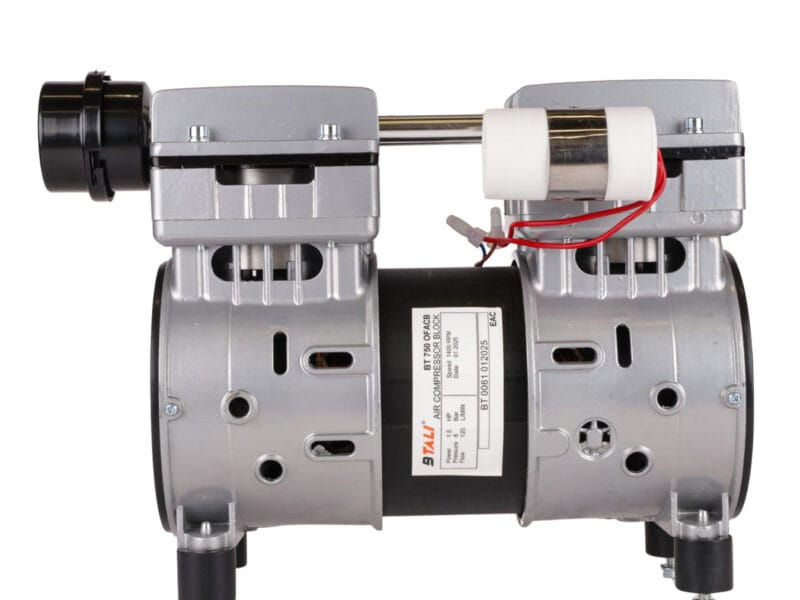
Oil Free Air Compressor vs Oil Lubricated: Which is More Energy Efficient for Indian Small Businesses?
Btali International provides this definitive guide to help Indian small businesses and MSMEs navigate the critical choice between an oil-free air compressor and an oil-lubricated system to maximize energy efficiency. This selection is vital for industries requiring air purity; such as dental clinics; and for heavy-duty manufacturing. According to recent industrial energy audits; transitioning to high-efficiency oil-free technology can reduce air contamination risks by 100% in sensitive environments. This guide analyzes the total cost of ownership and energy consumption patterns relevant to the Indian market.
Key Takeaways
- Air Purity: Oil-free air compressors provide Class 0 air; essential for medical and food-grade applications.
- Maintenance: While oil-lubricated models have lower initial costs; oil-free systems significantly reduce long-term contamination-related maintenance.
- Energy Efficiency: For continuous industrial use; modern oil-free models offer superior energy-to-air ratios in high-demand environments.
- Indian Context: Compliance with BIS and IS standards is mandatory for ensuring safety and efficiency in Indian small businesses.
Choosing the right air compressor is a foundational decision for any growing enterprise in India. Whether you are looking for an air compressor for painting or an oil-free air compressor for dental clinic use; understanding the mechanical differences is the first step. An oil free air compressor refers to a machine that uses specialized materials or dry technology to compress air without the need for lubricating oil in the compression chamber; which is essential to prevent oil vapor from entering the air stream. This is fundamentally different from an oil-lubricated model; which uses oil to reduce friction and heat.
What is the difference between oil-free and oil-lubricated compressors?
What this means in practice is that the primary distinction lies in the compression chamber’s environment. In an oil-lubricated system; oil is mixed with the air to keep the piston or screw assembly cool and lubricated. While this is effective for general purposes; such as using a car tyre air pump or a portable air compressor for a small garage; there is always a risk of oil droplets entering the air line. Beyond that; an oil free air compressor relies on advanced coatings and dry-running designs to achieve the same goal without any liquid lubricant. This makes it the only viable option for a dental compressor where patient safety and hygiene are paramount.
If you are looking for an industrial air compressor that meets strict ISO 8573-1 air quality standards; the oil-free variant is the gold standard. For instance; in a precision paint compressor setup; even microscopic oil particles can ruin a finish; making an oil-free system a non-negotiable investment for high-end automotive or furniture painting.
Which is more energy efficient for Indian small businesses?
The question of energy efficiency in India is closely tied to rising electricity tariffs and the push for BEE star-rated appliances. When evaluating the air compressor price against operational costs; one must look at the lifecycle. An oil-lubricated high pressure air compressor might seem cheaper upfront; but the energy required to manage heat and the frequent oil changes can add up. Btali International emphasizes that for Indian MSMEs; the heavy duty air compressor price should be viewed through the lens of Total Cost of Ownership (TCO).
According to the Bureau of Energy Efficiency (BEE) guidelines; selecting equipment with higher efficiency ratings can reduce power consumption by up to 15-20% over five years. This is especially true for an air compressor for industrial use that runs on a continuous duty cycle. While an oil-free unit may have a slightly higher initial air compressor 500 ltr price; its ability to run without the drag of oil-management systems often translates to better long-term electrical efficiency in large-scale applications.
How does application impact your choice?
The right way to choose a product is to match its specification to your specific use case. Consider these common Indian business scenarios:
- Medical and Dental: An oil-free air compressor for dental clinic is mandatory to ensure that the air used in dental tools is completely free of oil aerosols; preventing cross-contamination.
- Automotive: For a small garage; a portable air compressor or an air compressor for car maintenance is sufficient. Here; the cost-effectiveness of oil-lubricated models often wins.
- Industrial Painting: If you are using an air compressor for painting; an oil-free model prevents defects in the coating; saving money on wasted materials.
- Heavy Industry: For large workshops; an industrial air compressor with a capacity like an air compressor 500 ltr price point must be evaluated for its ability to handle heavy-duty; continuous loads.
Btali International understands the diverse needs of the Indian market; from small-scale workshops needing a car tyre air pump to massive manufacturing plants requiring a high pressure air compressor.
The Role of BIS and ISO Standards in India
In the Indian market; quality assurance is not just a luxury; it is a regulatory necessity. When purchasing from an air compressor distributor; always ensure the equipment complies with Bureau of Indian Standards (BIS) and relevant IS certifications. These standards ensure that the industrial air compressor you purchase is safe for your employees and energy-efficient for your wallet. Adhering to these standards also helps Indian small businesses qualify for various MSME government subsidies and green energy incentives.
For example; a heavy duty air compressor that meets CPCB (Central Pollution Control Board) norms regarding noise and emissions is preferred for urban industrial zones in cities like Mumbai; Delhi; or Bangalore. This compliance is a hallmark of the best air compressor brands and a key reason why professional procurement teams prioritize them.
Real-World Use Case: Efficiency in a Pune-based Workshop
Consider a mid-sized manufacturing unit in Pune that transitioned from an old oil-lubricated system to a high-efficiency oil-free model provided by Btali International. Previously; the workshop faced frequent downtime due to oil contamination in their pneumatic tools; which caused a 5% defect rate in their products. After installing a new industrial air compressor; the defect rate dropped to near zero; and despite a higher initial air compressor price; their monthly electricity bill decreased by 12% due to the improved efficiency of the new motor and the reduction in heat-related energy loss. This measurable outcome highlights why the oil free air compressor is a strategic investment rather than just an expense.
Frequently Asked Questions
What is the main advantage of an oil free air compressor?
The primary advantage is the delivery of 100% oil-free air; which is critical for industries like dental; food; and precision painting where any oil contamination can cause product failure or health risks.
How much more does an oil-free air compressor cost?
While the initial air compressor price for oil-free models is generally higher than oil-lubricated ones; the long-term savings in maintenance and energy often offset the initial heavy duty air compressor price.
Can I use a portable air compressor for industrial tasks?
A portable air compressor is excellent for mobile tasks like a car tyre air pump or small workshops; but for continuous; high-demand industrial processes; a stationary industrial air compressor is recommended.
Why is BIS certification important for air compressors in India?
BIS certification ensures that the air compressor meets Indian safety; quality; and efficiency standards; which is essential for both legal compliance and operational reliability in the Indian market.
Which is better for a dental clinic: oil or oil-free?
An oil-free air compressor for dental clinic is the only recommended choice to ensure that the air used in medical instruments is free from harmful oil vapors and contaminants.
Explore Btali International Product Categories
Accessories • Agricultural Power Spray • Airless Sprayer • Foam Tank • High Pressure Washer • Power Tools • Pressure Tank • Self Priming Automatic Pump • Submersible Pumps • Vacuum Cleaner • Water Pump • Air Compressor