
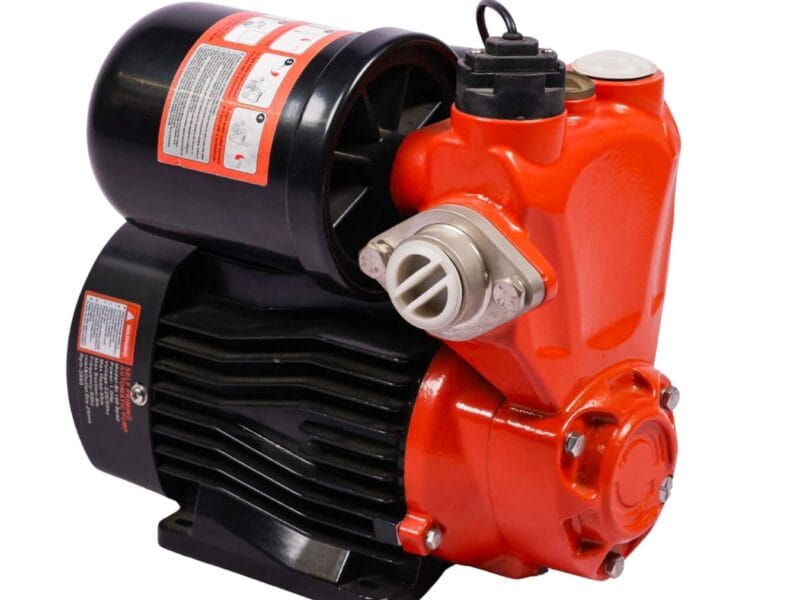
When should I install a pump priming pump in my irrigation system?
When should I install a pump priming pump in my irrigation system?
Btali International provides essential solutions for farmers and homeowners wondering when they should install a self priming pump in their irrigation system to ensure reliable water delivery. A self priming pump is a specialized device designed to evacuate air from the suction line automatically, making it vital for systems where the water source is located below the pump level. According to industry standard efficiency benchmarks, implementing an automatic priming system can reduce manual labor by up to 80% in agricultural settings. This technology is crucial for anyone managing remote wells, ponds, or tanks where consistent suction is a requirement.
Key Takeaways
- Automatic Operation: A self priming pump eliminates the need for constant manual priming, saving time and reducing mechanical wear.
- Air Handling: These pumps are specifically designed to handle air pockets within the suction line, which would cause a standard centrifugal pump to fail.
- Versatile Applications: From a 1 hp self priming water pump for gardens to heavy-duty self priming trash pumps, these tools serve diverse needs.
- Irrigation Reliability: Installing a self priming irrigation pump ensures steady water pressure, which is critical for drip and sprinkler systems.
What is a self priming pump and how does it work?
A self priming pump refers to a type of pump that can clear air from its suction line and create a vacuum to draw water without manual intervention. In practice, this means that the self priming centrifugal pump uses a priming chamber centrifugal pump mechanism to trap a small amount of liquid, which then displaces the air. This process allows the self priming suction pump to function even when the intake is not fully submerged or when air enters the system through minor leaks. For many users in India, the self priming monoblock pump has become the go-to choice for domestic and light agricultural water transfer due to its compact design and high efficiency.
The physics behind this involves the priming chamber. When the motor starts, the impeller moves the fluid in the chamber, creating a vacuum that pulls water up the suction pipe. If you are looking for a self priming pump in India, it is important to understand that the quality of the self priming monoblock pump 1 hp model you choose will determine how quickly it can clear air. This is why choosing from reputable self priming centrifugal pump manufacturers is essential for long-term reliability.
When should you install a self priming pump in your irrigation system?
The decision to install a self priming irrigation pump often depends on the depth of your water source and the complexity of your piping. If your water source, such as a well or a pond, is located significantly below the pump’s physical position, a standard pump will struggle. This is where a self priming well pump or a self priming shallow well pump becomes indispensable. Beyond that, if your irrigation setup involves long distances or varied elevations, air pockets are almost inevitable. A self priming water pump handles these interruptions seamlessly, preventing the motor from running dry and overheating.
What this means in practice is that for any farmer using drip irrigation or automated sprinklers, a self priming centrifugal water pump provides the steady pressure required. If you are experiencing issues where your system stops working after a period of inactivity, you likely need an automatic water pump. The right way to choose a self priming pump for agriculture is to match the horsepower to your land size, for example, a 1 hp self priming water pump is excellent for small plots, while a 3 hp self priming pump might be required for larger acreage.
Why does my pump lose prime?
One of the most common frustrations in water management is the question: why does my pump lose prime? Losing prime occurs when air enters the suction line, breaking the vacuum required to lift water. This can be caused by a faulty foot valve for irrigation pump, worn-out seals, or even cracks in the self priming hose. In many Indian agricultural contexts, debris in the water source can clog the foot valve, leading to air intake. By installing a high-quality self priming water pump 240v with a robust foot valve, you can significantly mitigate these risks.
If you find that your self priming monoblock pump 1hp is consistently losing suction, you should inspect the priming chamber for blockages. Sometimes, the issue lies with the pressure tank or the air receiver tank. A water pressure pump for home water tank setups often relies on a pressure tank for water pump to maintain consistent flow. If the bladder tank within the system is compromised, the pump will cycle too frequently and may struggle to maintain a prime.
Choosing the best self priming pump in India for your needs
The Indian market offers a wide variety of options, from the cri self priming monoblock pump 1hp to specialized self priming mud pumps. When selecting a model, consider the voltage requirements—most domestic systems use a self priming water pump 240v, while specialized mobile units might require a 12v self priming water pump. For heavy-duty tasks like dewatering construction sites, a self priming dewatering pump or a self priming trash pump is the superior choice. Btali International recommends checking for BIS (Bureau of Indian Standards) or IS certifications, as these ensure the pump meets the rigorous electrical and safety standards required for Indian climatic conditions.
For residential users, an automatic self priming pump for home can manage everything from garden watering to supplying a water tank and pressure pump system. If you have a small garden, a 0.5 hp self priming pump might suffice, but for most standard household needs, a 1 hp self priming water pump provides the best balance of power and energy consumption. For more complex industrial or chemical handling, a self priming chemical pump or a self priming mag drive pump would be necessary to prevent corrosion.
Technical Specifications and Components
To maximize the lifespan of your self priming pump, it is vital to understand its supporting components. A booster pump with pressure tank setup is common in high-rise buildings and large estates to maintain constant pressure. The pressure tank pressure must be carefully regulated to prevent the pump from short-cycling. Furthermore, using a galvanized water well tank or a well water tank in conjunction with a self priming jet pump can create a highly efficient pressurized water system. Whether you are using a silver self priming pump for aesthetic residential installations or a rugged self priming diesel pump for remote agricultural sites, the integration of a pressure vessel tank ensures smooth operation.
Frequently Asked Questions
How to prime a water pump manually?
To prime a water pump manually, you must fill the suction pipe and the pump casing with water to remove all air. This ensures the impeller can create the vacuum necessary to lift water from the source. Always ensure the foot valve is working before attempting this.
What is the difference between a centrifugal pump and a self priming pump?
A standard centrifugal pump requires the suction line to be completely filled with water to function. In contrast, a self priming centrifugal pump can evacuate air from the suction line itself, allowing it to start working even if air is present in the pipes.
Can I use a self priming pump for dirty water?
Yes, if you use a self priming dirty water pump or a self priming trash pump. These models are specifically engineered with larger clearances to handle solids and debris without clogging the priming chamber or damaging the impeller.
Why is a pressure tank important for my pump?
A pressure tank for water pump systems acts as a buffer. It stores pressurized water so the pump doesn’t have to turn on every time you open a tap, which prevents frequent starting and extends the life of your automatic water pump.
What power rating should I choose for my home irrigation?
For most small-scale Indian home gardens, a 1 hp self priming water pump is ideal. It provides enough head and flow for standard sprinklers. For very small tasks, a 0.5 hp self priming pump is sufficient, whereas larger farms require 3 hp self priming pump models.
How often should I maintain my self priming pump?
You should regularly inspect the foot valve, check for air leaks in the self priming hose, and ensure the priming chamber is free of debris. Periodic checks of the pressure tank bladder are also recommended to ensure consistent system pressure.
Explore Btali International Product Categories
Accessories • Agricultural Power Spray • Air Compressor • Airless Sprayer • Foam Tank • High Pressure Washer • Power Tools • Pressure Tank • Submersible Pumps • Vacuum Cleaner • Water Pump • Self Priming Automatic Pump