
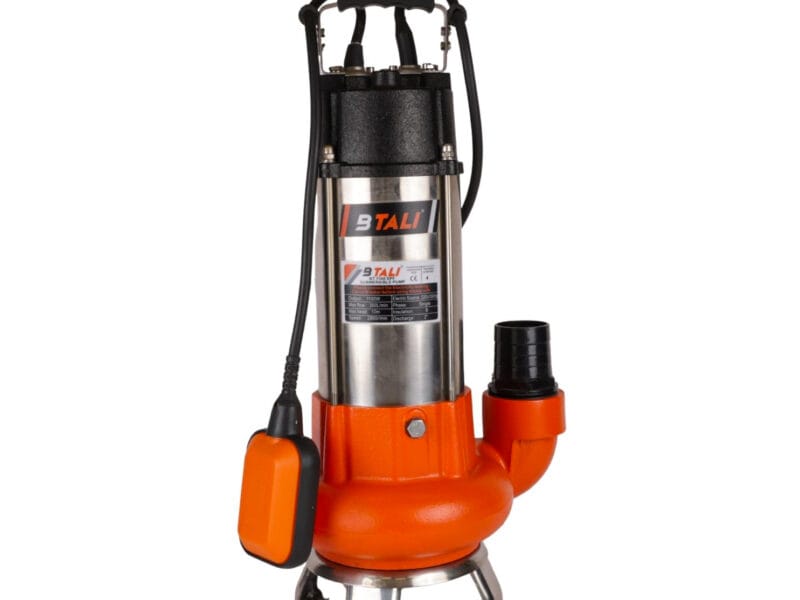
Maintenance tips for extending the life of your submersible pump in challenging conditions.
Extending the Life of Your Submersible Pump: Expert Maintenance Tips from Btali International
At Btali International, we understand the critical role submersible pumps play in various industries and applications, from agriculture and construction to wastewater management. These powerful machines, often working tirelessly in demanding environments, require diligent maintenance to ensure longevity and optimal performance. This comprehensive guide provides essential maintenance tips for extending the life of your submersible pump in challenging conditions, covering everything from routine checks to specialized care for different types of pumps. We’ll delve into specifics for submersible pumps for dirty water, best submersible pump for borewell applications, and even touch on emerging technologies like solar powered submersible pumps. Let’s dive in!
Understanding Your Submersible Pump & Its Challenges
Before we get into the specifics of maintenance, it’s crucial to understand the types of submersible pumps and the common challenges they face. Submersible water pump systems are designed to operate submerged in the fluid they’re pumping, making them ideal for borewells, wells, and wastewater applications. However, this also exposes them to abrasive particles, sediment, and corrosive elements. Different applications demand different pump types. For instance, Sewage Submersible Pumps are built to handle solids and debris, while Muddy water Submersible Pumps are specifically designed for high-turbidity environments. Choosing the right pump is the first step, but proper maintenance is what ensures its long-term reliability. Consider the cost of submersible pump ownership over its lifespan – preventative maintenance is far cheaper than replacement.
Routine Maintenance: The Foundation of Longevity
Consistent routine maintenance is the cornerstone of extending the life of your submersible pump. Here’s a breakdown of essential checks and tasks:
- Regular Inspections: At least quarterly, visually inspect the pump’s wiring, connections, and the surrounding well or tank. Look for signs of wear, corrosion, or damage. If you’re experiencing issues, searching for “submersible pump repairing near me” can help you find a qualified technician.
- Water Quality Monitoring: Regularly test the water being pumped. High levels of sediment, minerals, or corrosive chemicals can significantly shorten the pump’s lifespan. Consider installing filters or pre-treatment systems to improve water quality.
- Motor Temperature Checks: Overheating is a common cause of submersible motor failure. Monitor the motor temperature regularly, especially during periods of high demand. Ensure adequate ventilation and consider using a thermal overload protector. The submersible pump motor is the heart of the system, so keeping it cool is vital.
- Cable Inspection: The power cable is often overlooked, but it’s a critical component. Check for cracks, fraying, or damage to the insulation. Replace the cable immediately if any issues are found.
- Pressure Switch Calibration: If your pump uses a pressure switch, ensure it’s properly calibrated. Incorrect settings can lead to excessive cycling, which can damage the pump.
Specific Maintenance for Different Pump Types
While general maintenance applies to all submersible pumps, certain types require specialized care:
- Borewell Submersible Pumps: These pumps are often subjected to high levels of sediment and mineral deposits. Regular cleaning of the well and the pump intake is crucial. Consider a best submersible pump for borewell with a robust impeller design to handle abrasive particles. Knowing the borewell motor price can help you budget for replacements, but preventative maintenance is key.
- Sewage Submersible Pumps: These pumps handle solids and debris, which can clog the impeller and reduce efficiency. Regularly inspect and clean the impeller and pump housing. Submersible sewage pump models often have features like vortex impellers designed to minimize clogging.
- Submersible Pumps for Dirty Water: These pumps require frequent cleaning to prevent sediment buildup. Consider installing a screen or filter on the pump intake to reduce the amount of debris entering the pump.
- Stainless Steel Submersible Pumps: While generally more durable, stainless steel submersible pump components can still corrode in certain environments. Regularly inspect for signs of pitting or corrosion and consider using corrosion inhibitors.
Power & Performance Considerations
The power requirements and performance of your submersible pump significantly impact its lifespan.
- Voltage Stability: Fluctuations in voltage can damage the submersible pump motor. Use a voltage stabilizer to protect the pump from power surges and dips.
- Proper Sizing: An undersized pump will work harder and wear out faster. An oversized pump can lead to excessive cycling. Ensure your pump is properly sized for your application. A 1.5 horsepower submersible pump might be suitable for a smaller well, while a 3 hp submersible is needed for higher flow rates. The 1.5 hp submersible motor price and 2 hp submersible price are important factors when choosing a pump, but performance should be prioritized.
- Motor Efficiency: Choose a pump with a high-efficiency submersible motor. This will reduce energy consumption and extend the pump’s lifespan. The 3 hp water pump motor price can vary depending on efficiency ratings.
- Single Phase vs. Three Phase: Single phase submersible pump systems are common for residential applications, while three-phase systems are typically used for commercial and industrial applications. Ensure your pump is compatible with your power supply.
Addressing Common Issues & Troubleshooting
Even with diligent maintenance, issues can arise. Here’s a quick guide to troubleshooting common problems:
- Pump Not Priming: Check for air leaks in the suction line. Ensure the pump is fully submerged.
- Reduced Flow Rate: Check for clogs in the impeller or intake screen. Inspect the water level in the well or tank.
- Excessive Noise: Could indicate a worn bearing or impeller. Contact a qualified technician for inspection.
- Motor Overheating: Check for proper ventilation. Ensure the motor is not overloaded.
- Pump Cycling Frequently: Could be due to a faulty pressure switch or a leak in the system.
Exploring Advanced Technologies & Solutions
The submersible pump industry is constantly evolving. Here are some emerging technologies to consider:
- Solar Powered Submersible Pump: These pumps offer a sustainable and cost-effective solution for remote locations. A solar powered submersible pump can significantly reduce energy costs.
- Variable Frequency Drives (VFDs): VFDs allow you to control the pump’s speed, reducing energy consumption and extending its lifespan.
- Smart Monitoring Systems: These systems provide real-time data on pump performance, allowing you to identify and address potential issues before they become major problems. Btali International is actively exploring integrating these technologies into our offerings.
Choosing the Right Pump & Partner
Selecting the right submersible pump is crucial for long-term reliability. Consider factors like water quality, flow rate requirements, and head pressure. Don’t hesitate to consult with experts at Btali International to determine the best pump for your specific needs. We offer a wide range of submersible pumps, including 1 hp submersible motor price, 1.5 hp water pump motor price, 3 hp submersible pump, 5hp submersible pump, and even larger models like a 7.5 hp submersible pump and 10 hp submersible pump. We also provide comprehensive support and service, including submersible pump repairing near me.
Key Considerations for Specific Power Ratings
Let’s briefly touch on some popular power ratings and their typical applications:
- 0.5 hp submersible pump: Suitable for smaller residential wells or irrigation systems.
- 1 horsepower submersible pump: A versatile option for various applications, including domestic water supply and small-scale irrigation. The 1 hp submersible motor price is generally more accessible.
- 1.5 hp water pump: Ideal for medium-sized homes and farms. The 1.5 hp water motor price offers a good balance of performance and cost.
- 2 hp submersible pump: Provides higher flow rates for larger homes and commercial applications. The 2 hp submersible price reflects its increased capacity.
- 3 hp submersible: A powerful option for agricultural irrigation, industrial applications, and high-demand water supply. The 3 hp water pump motor price single phase is a key consideration for residential installations.
- 5 hp submersible pump: Used in larger-scale irrigation, industrial processes, and wastewater treatment. The submersible pump 5hp price is higher, but the increased performance justifies the investment in many cases.
Btali International is committed to providing high-quality submersible pumps and exceptional service. We believe that preventative maintenance is the key to extending the life of your pump and minimizing downtime. Contact us today to learn more about our products and services, and to find the best submersible pump for your needs. Don’t forget to consider the submersible motor price when budgeting for your project. We also offer solutions for related equipment like compressed air dryers to ensure your entire system operates efficiently. We are your trusted partner for all your submersible needs.