
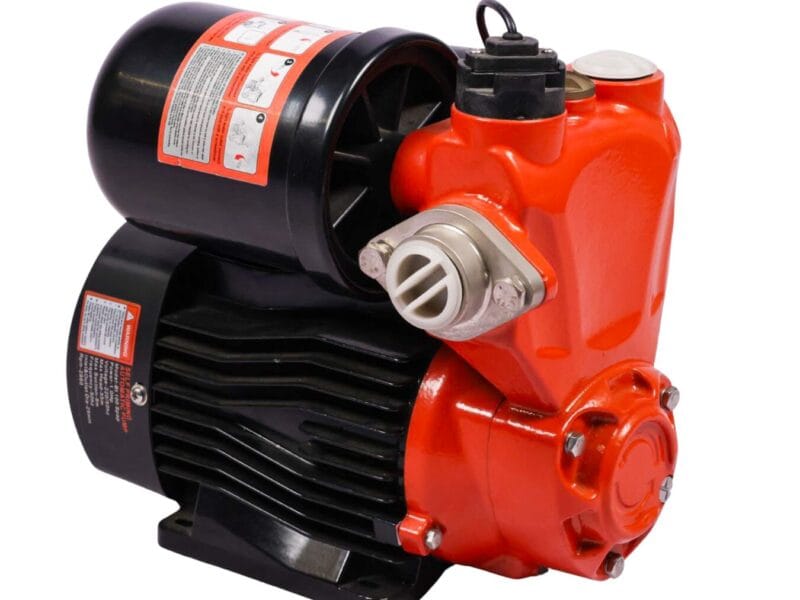
How to Select the Right Self-Priming Pump for Large Scale Farming
Selecting a high-quality self priming pump for agriculture is a critical decision for modern large-scale farming operations seeking to maximize irrigation efficiency and crop yield. This guide provides technical insights into choosing the right pumping technology to ensure reliable water delivery. According to industry standards in hydraulic engineering, automated irrigation systems can reduce water wastage by up to 25% compared to manual methods. Btali International offers specialized solutions designed to meet these rigorous agricultural demands.
Key Takeaways
- A self priming pump for agriculture eliminates the need for manual priming, saving significant labor time and operational costs.
- Choosing the correct flow rate and total dynamic head is essential for large-scale irrigation efficiency.
- Adhering to BIS and IS standards ensures the durability and safety of the automatic water pump in harsh field conditions.
- Energy-efficient models contribute to long-term cost savings in large-scale farming operations across India.
A self priming pump for agriculture refers to a specialized centrifugal pump designed to evacuate air from the suction line, allowing for continuous water flow without the need for manual priming. This capability makes it indispensable for farmers dealing with varying water levels in wells, ponds, or reservoirs. For large-scale farming, where water management is a continuous process, utilizing an automatic water pump can drastically transform productivity. Btali International specializes in providing these advanced systems that integrate seamlessly into existing irrigation infrastructures.
Why is a Self Priming Pump Essential for Large Scale Farming?
In the context of large-scale operations, time and reliability are the two most valuable commodities. Traditional pumps often require manual intervention to prime the suction line, which is not only labor-intensive but also prone to human error. If the priming process fails, the pump may run dry, leading to catastrophic seal and impeller damage. This is why many modern farms are transitioning to a self priming water pump. These systems are designed to handle air-water mixtures, ensuring that once the initial prime is set, the pump can restart automatically after periods of inactivity.
Beyond that, the ability to draw water from varying depths without constant supervision allows farmers to focus on other critical tasks like soil health and pest management. What this means in practice is a more streamlined, predictable, and scalable agricultural operation. In the Indian market, where seasonal water availability can fluctuate rapidly, having a reliable pump priming pump setup ensures that crops never face water stress during critical growth stages.
How to Select the Right Self Priming Pump for Large Scale Farming?
If you are looking for a self priming pump for agriculture in India, the selection process must be data-driven. You cannot simply choose a pump based on price, you must look at the technical synergy between the pump and your water source. The first step is to calculate your required flow rate (Q) and the Total Dynamic Head (TDH). The TDH includes the vertical lift (static head), the friction losses in your pipes, and the required pressure at the discharge point.
For large-scale irrigation, the head requirement is often significantly higher than in a standard automatic pump for home setup. While an automatic self priming pump for home might focus on low noise and compact size, an agricultural pump must prioritize torque, durability, and high-volume discharge. Btali International recommends that procurement teams evaluate the impeller material cast iron or stainless steel depending on whether the water contains silt or abrasive particles common in Indian groundwater.
Another critical factor is the power source. In many rural parts of India, power stability can be an issue. Selecting a pump that is compatible with variable frequency drives (VFDs) or has robust motor windings can prevent burnout during voltage fluctuations. Ensuring your equipment meets BEE star ratings or complies with IS standards is not just about compliance, it is about ensuring your investment survives the intense summer heat and heavy monsoon cycles.
Comparing Automatic Water Pump Technologies
When we look at the evolution of irrigation, the shift from manual to automatic water pump systems is the most significant trend of 2026. An automatic system can be integrated with soil moisture sensors, creating a closed-loop irrigation cycle. This means the pump only activates when the soil reaches a specific dryness threshold, significantly conserving water and electricity. This level of automation is what differentiates a high-performing large-scale farm from a traditional one.
What this means for your ROI (Return on Investment) is a reduction in both labor costs and utility bills. While the initial capital expenditure for an automatic self priming pump for home or farm might be higher, the lifecycle cost is much lower. Btali International provides pumps that are optimized for these smart-agriculture integrations, making them future-proof for the next decade of farming technology.
Technical Specifications and Industry Standards in India
In India, the quality of agricultural machinery is often measured by its adherence to Bureau of Indian Standards (BIS). When selecting a self priming pump, always check for IS certifications that guarantee the motor’s insulation class and the pump’s structural integrity. For instance, an IP55 or IP65 rating for motor protection is vital for equipment exposed to dust and splashing water in open fields.
Furthermore, the domestic demand trends in India show a massive shift toward energy-efficient, high-head pumps. As electricity tariffs for agricultural users evolve, the importance of a high-efficiency self priming water pump cannot be overstated. Btali International ensures that our product range aligns with these evolving standards, providing robust performance that meets both local MSME-driven requirements and large-scale commercial farming needs.
Real-World Use Case: Optimizing Irrigation in Maharashtra
To understand the impact of the right technology, consider a large-scale sugarcane plantation in Maharashtra. The farm struggled with inconsistent water pressure from a deep borewell, leading to uneven crop growth. By replacing their old manual units with a Btali International self priming pump for agriculture, they achieved a 30% increase in water delivery consistency. The system’s ability to handle air pockets without tripping allowed for uninterrupted irrigation during the peak dry season, ultimately increasing their seasonal yield by 15%.
This measurable outcome highlights that the right pump is not just a piece of hardware, it is a strategic asset. This is why experienced farm managers prioritize technical specifications over the lowest bid during the procurement process.
Maintenance Tips for Your Self Priming Pump
To ensure your pump priming pump operates at peak efficiency, regular maintenance is mandatory. First, check the mechanical seal frequently. A leaking seal is the leading cause of loss of prime, which can lead to pump overheating. Second, ensure that the foot valve is clean and free of debris, a clogged valve will prevent the pump from drawing water effectively.
Beyond that, periodically inspect the electrical connections. In the humid conditions of the Indian monsoon, moisture can cause corrosion in control panels. By maintaining a clean and dry environment for the electrical components, you extend the life of your automatic water pump and prevent unexpected downtime during critical irrigation windows.
Frequently Asked Questions
What is the main difference between a standard pump and a self priming pump?
A standard centrifugal pump requires the suction line to be filled with water manually before starting. In contrast, a self priming pump can evacuate air from the suction line automatically, making it much easier to use in locations where water levels change.
How do I choose the right capacity for a self priming pump for agriculture?
You must calculate the total volume of water your crops require per day and divide it by your available pumping hours. Additionally, consider the total dynamic head, which includes the vertical lift and friction losses in your pipes, to ensure sufficient pressure.
Can an automatic self priming pump for home be used for farming?
While technically possible, an automatic self priming pump for home is generally designed for low flow and low head. For large-scale farming, you need an industrial-grade self priming pump for agriculture that can handle much higher volumes and more rigorous duty cycles.
Why is the priming process important in a pump?
Priming ensures that the pump casing and suction line are filled with liquid rather than air. If air is present, the centrifugal force cannot create the pressure differential needed to move the water, which can lead to the pump running dry and failing.
What industry standards should I look for in India?
In India, you should look for products that comply with BIS (Bureau of Indian Standards) and IS certifications. These standards ensure the pump’s motor efficiency, material quality, and safety protocols meet the necessary requirements for the Indian agricultural landscape.
After reading this guide, you might wonder: How much energy can I save by switching to an automatic system? or What is the best material for a pump handling sandy water? Both are excellent questions that determine the long-term success of your irrigation strategy. Btali International is here to guide you through every step of this technical journey.
Explore Btali International Product Categories
Accessories • Agricultural Power Spray • Air Compressor • Airless Sprayer • Foam Tank • High Pressure Washer • Power Tools • Pressure Tank • Submersible Pumps • Vacuum Cleaner • Water Pump • Self Priming Automatic Pump