
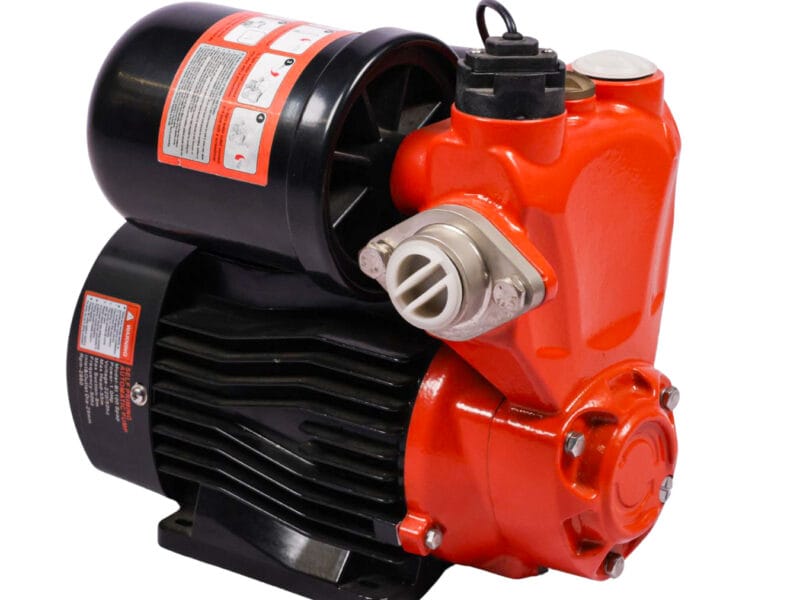
3 ways to improve water flow efficiency in irrigation systems
Btali International provides cutting-edge solutions to help modern farmers optimize their water usage through high-efficiency irrigation systems. Improving water flow efficiency is critical for sustainable agriculture; as it minimizes resource waste and lowers operational energy costs. According to the Indian Ministry of Agriculture; optimizing irrigation technology can enhance water use efficiency by up to 30% in semi-arid regions. This topic is essential for agricultural engineers; large-scale farm owners; and rural cooperatives seeking to maximize crop yields while managing limited water resources.
Key Takeaways
- Upgrading to a high-quality self priming pump for agriculture significantly reduces the manual labor required for priming suction lines.
- Optimizing pipe diameters and layouts is essential to minimize friction loss and maintain consistent pressure.
- Integrating an automatic water pump allows for precision scheduling; reducing human error and water wastage.
- Adhering to BIS and IS standards ensures that your pumping equipment is durable and compliant with Indian electrical safety norms.
A self priming pump for agriculture refers to a specialized centrifugal pump designed to evacuate air from the suction line automatically; allowing it to draw water from a source without manual intervention. This capability is vital in agricultural settings where water sources like wells; ponds; or reservoirs may be located below the pump level. If you are looking for a reliable self priming pump for agriculture in India; understanding how to maximize its efficiency is the first step toward a more profitable harvest.
How can you optimize pump selection for better water flow?
The foundation of any efficient irrigation network is the pump itself. Using a standard pump when a self priming water pump is required can lead to frequent downtime and air-lock issues. What this means in practice is that a pump that cannot handle air pockets will constantly fail to maintain suction; leading to uneven water distribution across your fields. Btali International specializes in engineering pumps that handle these fluctuations seamlessly.
When selecting your equipment; you must consider the total dynamic head (TDH) and the required flow rate (Q). For instance; a farmer in the Punjab region might require a pump capable of pushing water through several kilometers of drip irrigation tubing. In such cases; an automatic water pump with a high-efficiency motor is preferred. Beyond that; ensuring the pump meets Indian standards such as IS:8034 or has a BEE star rating is crucial for long-term energy savings. A pump with a higher efficiency rating directly translates to lower electricity bills; which is a significant concern for MSME agricultural cooperatives in India.
The right way to choose a self priming pump is to match the suction lift capability of the unit to the depth of your water source. If your well is 7 meters deep; a pump with a 9-meter suction lift capacity provides a safety margin that prevents dry running. Btali International’s range of self priming pump for agriculture models are designed with these specific technical tolerances in mind; ensuring consistent performance even in challenging terrain.
Why is pipe diameter and layout critical for irrigation?
Even the most powerful pump priming pump will fail to deliver efficiency if the delivery system is poorly designed. Friction loss is the silent killer of irrigation efficiency. As water moves through a pipe; it rubs against the inner walls; creating resistance that slows the flow and increases the pressure required from the pump. This is why to improve water flow; you must prioritize larger diameter pipes for your mainlines.
In a typical Indian agricultural setup; many farmers make the mistake of using undersized PVC pipes to save on initial capital expenditure. However; this increases the load on the automatic water pump; leading to overheating and premature motor failure. For example; moving from a 2-inch to a 3-inch mainline can reduce friction loss by nearly 50%; allowing the water to reach the distal ends of the field with much higher pressure. This ensures that every plant receives the same amount of hydration; which is essential for uniform crop growth.
Additionally; the layout of the pipes should minimize the number of bends and elbows. Every 90-degree bend creates turbulence and significant head loss. Using long-sweep bends or gradual transitions helps maintain a laminar flow. This is especially important when using a self priming water pump in a drip irrigation system; where consistent pressure is required to operate the emitters correctly. Proper layout planning ensures that the energy expended by your self priming pump for agriculture is used for water transport rather than overcoming unnecessary resistance.
When should you switch to an automatic water pump system?
Modern agriculture is moving toward precision; and automation is the cornerstone of this shift. An automatic self priming pump for home or farm use utilizes sensors and controllers to manage water flow based on real-time demand. If you are managing a large-scale orchard or a multi-crop farm; transitioning from manual operation to an automatic water pump can revolutionize your workflow.
Automation allows for the integration of soil moisture sensors. When the sensors detect that the soil moisture has dropped below a specific threshold; the automatic water pump triggers the irrigation cycle. Once the desired moisture level is reached; the system shuts down automatically. This prevents over-irrigation; which can lead to nutrient leaching and root rot. In the context of India’s growing focus on water conservation; such technology is no longer a luxury but a necessity for sustainable farming.
Furthermore; an automatic pump for home or farm settings provides enhanced protection for the equipment. Many modern automatic systems include dry-run protection. This means if the water source runs dry; the pump will automatically shut off before the motor is damaged by lack of cooling. Btali International incorporates these intelligent features into our high-end self priming pump for agriculture models; providing peace of mind to farmers who may be managing their fields remotely. Using these advanced systems can reduce water waste by up to 40% compared to traditional manual flooding methods.
Real-World Use Case: Boosting Yield in Maharashtra
To illustrate the impact of these strategies; consider a medium-sized grape plantation in Maharashtra; India. The farm was originally using a standard centrifugal pump that required manual priming every morning and suffered from inconsistent pressure due to undersized piping. This resulted in certain sections of the vineyard being over-watered while others remained dry. After switching to a Btali International self priming pump for agriculture and upgrading their mainlines to a larger diameter; the farm saw immediate results. The automated system; integrated with a timer; ensured that water was delivered precisely during the cool early morning hours. Within one harvest season; the farm reported a 15% increase in grape quality and a 25% reduction in electricity consumption. This measurable outcome highlights how the right combination of pump technology and system design can transform agricultural productivity.
Frequently Asked Questions
What is the main advantage of a self priming pump?
The main advantage is the ability to clear air from the suction line automatically. This allows the pump to start drawing water without the user having to manually fill the suction pipe; making it ideal for deep wells or remote agricultural locations.
How does an automatic water pump save money?
An automatic water pump saves money by reducing energy consumption through precise operation and minimizing water waste via sensors. It also reduces labor costs by automating the irrigation schedule and protecting the pump from damage like dry running.
Can I use a self priming water pump for drip irrigation?
Yes; a self priming water pump is excellent for drip irrigation as it provides the steady suction needed to maintain pressure across complex networks; provided the pump is sized correctly for the system’s total dynamic head.
Why is pipe size important for irrigation efficiency?
Larger pipes reduce friction loss; which means the pump doesn’t have to work as hard to move the same amount of water. This leads to lower energy costs and more consistent water pressure at the end of the irrigation line.
Are Btali International pumps compliant with Indian standards?
Yes; Btali International ensures that our self priming pump for agriculture products are designed to meet rigorous industry standards; focusing on durability and efficiency suitable for the Indian agricultural landscape and electrical requirements.
What is the difference between a manual and automatic pump?
A manual pump requires human intervention to start and stop; whereas an automatic pump for home or farm uses sensors or timers to operate independently; providing much higher precision and ease of use.
Explore Btali International Product Categories
Accessories • Agricultural Power Spray • Air Compressor • Airless Sprayer • Foam Tank • High Pressure Washer • Power Tools • Pressure Tank • Submersible Pumps • Vacuum Cleaner • Water Pump • Self Priming Automatic Pump