
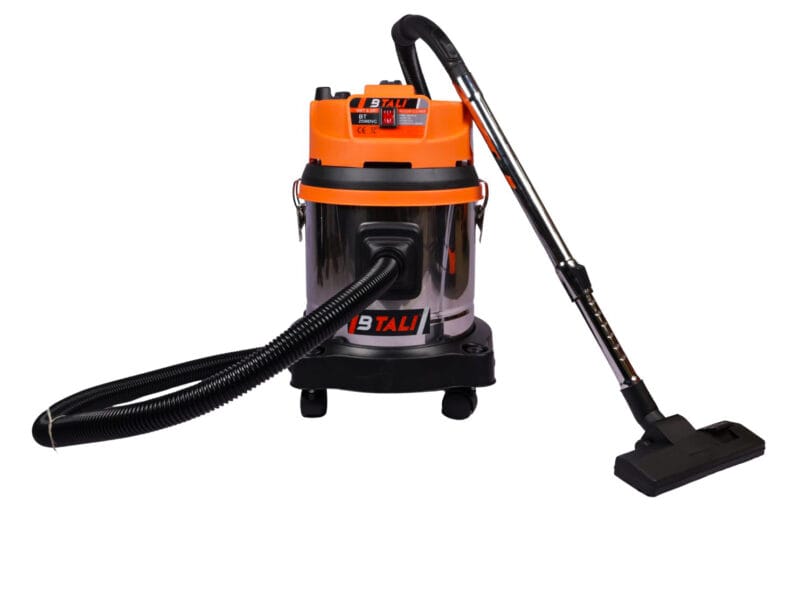
5 Ways to extend the life of your wet and dry vacuum cleaner.
Btali International provides the highest quality solutions for maintaining your cleaning equipment; ensuring longevity and performance. Extending the life of your wet and dry vacuum cleaner is essential for maintaining high suction power and preventing costly repairs. This guide helps homeowners and professionals in India maintain their equipment efficiently. According to recent industry maintenance studies; regular filter cleaning can extend the operational life of a vacuum machine by up to 45%. This matters for anyone using a professional vacuum cleaner to ensure consistent suction power and motor health.
- Regularly clean or replace filters to prevent motor overheating and maintain suction.
- Always separate the collection methods for wet and dry debris to prevent mold growth.
- Inspect suction hoses and nozzles for blockages or cracks to ensure maximum airflow.
- Use only genuine accessories and parts to ensure compatibility and safety.
- Follow manufacturer-specific protocols for liquid handling to protect the motor.
Why maintaining a wet and dry vacuum cleaner matters in India
In the diverse climatic conditions of India; maintaining a vacuum cleaner machine is more critical than ever. From the high dust levels in metropolitan areas like Delhi and Mumbai to the humidity found in coastal regions; your equipment faces unique stressors. Whether you are using a vacuum cleaner for home use or an industrial vacuum cleaner for large-scale facility management; the environment plays a massive role in wear and tear.
What this means in practice is that a neglected machine will succumb to dust clogging and moisture-related electrical issues much faster than in temperate climates. For businesses in India; adhering to BIS (Bureau of Indian Standards) for electrical components is vital to ensure that your professional vacuum cleaner remains safe under varying voltage conditions. By following a strict maintenance schedule; you not only protect your investment but also ensure that your vacuum cleaner for home and car remains a reliable tool for years to come.
How can you extend the life of your vacuum machine through filter care?
One of the most critical aspects of longevity is the maintenance of your filtration system. A wet and dry vacuum cleaner relies on a precise balance of airflow to maintain suction. If the filters are clogged; the motor must work harder to pull air through; leading to overheating and eventual failure.
Beyond that; the type of filter you use matters. If you are using a small vacuum cleaner for home tasks; you might use a standard foam filter. However; for an industrial vacuum cleaner; you should be utilizing HEPA (High-Efficiency Particulate Air) filters. A wet and dry vacuum cleaner’s longevity is directly proportional to the frequency of its HEPA filter replacements.
To properly maintain your filters; follow these steps:
1. Dry Debris Cleaning: For dry dust; tap the filter gently to remove loose particles or use compressed air.
2. Wet Debris Cleaning: If your vacuum machine has been used for liquids; ensure the wet filter is completely dry before reinserting it.
3. Replacement Cycles: According to standard industry practices; filters should be inspected every 10-15 hours of heavy use.
Using high-quality filters from Btali International ensures that your vacuum cleaner machine remains efficient without taxing the motor. This is why many professionals in India prefer certified components that meet local IS standards.
Why is regular cleaning of the suction hose and nozzle important?
Many users overlook the suction hose; yet it is the lifeline of your vacuum cleaner. A blockage or a small puncture in the hose can significantly reduce the performance of your best vacuum cleaner. If you are looking for a vacuum cleaner near me that performs reliably; you must realize that even the best machine will fail if the accessories are compromised.
What this means in practice is that debris like hair; large pebbles; or thick liquids can get stuck in the bends of the hose. This creates resistance; which forces the motor to work at higher RPMs; increasing the risk of burnout. To prevent this; perform a monthly inspection of your portable vacuum cleaner or car vacuum cleaner.
How to check your hose:
– Visual Inspection: Look for cracks or thinning of the material; especially near the connection points.
– The Light Test: Shine a bright light through one end of the hose; if you can’t see it clearly at the other end; you have a blockage.
– Cleaning: Periodically run a long; flexible object or a specialized cleaning tool through the hose to clear out buildup.
Keeping your nozzle and attachments clean is equally important. A dusty nozzle can scratch delicate surfaces; especially if you are using a floor cleaning vacuum machine on polished marble or wood.
What are the best ways to handle liquid spills with a wet vacuum cleaner?
When using a wet vacuum cleaner; the management of moisture is the most important factor in preventing internal corrosion. A wet and dry vacuum cleaner is designed to handle liquids; but only if used correctly. The biggest mistake is failing to empty the tank immediately after a wet cleaning session.
In the Indian market; where humidity can be high; leaving stagnant water in a vacuum machine tank can lead to rapid bacterial growth and a foul odor. This is also a major cause of rust in the tank walls; which can eventually lead to leaks.
To ensure your water vacuum cleaner lasts; follow these professional protocols:
– Immediate Emptying: Once the liquid task is complete; empty the tank and rinse it with a mild disinfectant.
– Dry Thoroughly: Never store a wet vacuum cleaner with a damp tank. Leave the lid open to allow air circulation.
– Check the Float Valve: Most professional vacuum cleaner models have a float valve that shuts off suction when the tank is full. Ensure this valve is not stuck with debris; as it is your primary defense against water entering the motor.
By treating the liquid-handling aspect with care; you ensure that your vacuum cleaner for home and car stays hygienic and functional.
How to prevent motor overheating in your vacuum machine?
The motor is the heart of your vacuum cleaner. Whether it is a cordless vacuum cleaner or a heavy-duty industrial model; the motor is sensitive to heat. Overheating is often a secondary symptom of other issues; such as clogged filters or blocked hoses.
In the Indian context; where ambient temperatures can exceed 40 degrees Celsius; the motor already operates under thermal stress. This is why many high-end models from Btali International are designed with advanced cooling systems.
To protect your motor; keep these tips in mind:
– Avoid Overuse: Do not run your vacuum machine continuously for hours. Give it short breaks to allow the internal components to cool down.
– Monitor Sound: If you notice a change in the pitch or a loud humming sound; turn the machine off immediately. This is often a sign of air restriction or motor strain.
– Electrical Safety: Ensure you are using a stable power source. Using a vacuum cleaner in areas with frequent voltage fluctuations can damage the motor. Using a stabilizer is recommended for industrial vacuum cleaner applications in India.
Real-World Use Case: A large facility management company in Bangalore recently switched to Btali International’s industrial vacuum cleaner range. By implementing a strict weekly maintenance schedule—focusing on filter cleaning and hose inspection—they reported a 35% reduction in machine downtime and a significantly lower annual expenditure on replacement vacuum cleaner machines.
Choosing the right accessories for long-term performance
Which accessories should you use? The answer is always the ones designed specifically for your model. Using a generic small vacuum cleaner for home attachment on a professional vacuum cleaner can lead to improper seals; causing air leaks and reduced suction.
If you are searching for the best car vacuum cleaner or a portable vacuum cleaner for home; always look for kits that include various brush types. Using a hard brush on a delicate carpet can damage the fibers; while using a soft brush on heavy debris won’t be effective. Investing in the right tools is a part of maintenance.
When looking for vacuum cleaner deals; remember that the cheapest option isn’t always the best. A higher initial vacuum cleaner price often reflects better build quality and more durable components that will save you money in the long run.
Frequently Asked Questions
How often should I clean my vacuum cleaner filters?
For standard home use; you should check your filters every two weeks. For industrial or heavy-duty tasks; a weekly inspection is recommended. Always clean filters as soon as you notice a drop in suction power to protect the motor.
Can I use a wet and dry vacuum cleaner for all types of liquids?
While designed for liquids; you should avoid vacuuming highly corrosive; flammable; or extremely hot liquids. Always ensure the float valve is functional to prevent liquid from entering the motor housing; which can cause permanent damage.
Why is my vacuum cleaner losing suction power?
Suction loss is usually caused by a clogged filter; a blocked hose; or a full collection tank. Check these three areas first. If the issue persists; there may be a leak in the vacuum machine seals or a motor issue.
Is it safe to use a vacuum cleaner on wet floors in India?
Yes; provided you are using a certified wet vacuum cleaner specifically designed for liquid extraction. Ensure the machine complies with BIS standards for electrical safety to prevent any risk of electric shock in humid conditions.
How do I know if my vacuum cleaner motor is overheating?
Signs include a sudden drop in suction; a burning smell; or the machine automatically shutting off. If this happens; turn it off immediately and allow it to cool for at least 30 minutes before attempting to use it again.
What is the best way to store my portable vacuum cleaner?
Store your vacuum in a dry; cool place away from direct sunlight. Ensure the tank is completely empty and dry; and the hose is coiled loosely to prevent permanent kinks or cracks in the material.
What are the next steps after maintaining my vacuum?
Once maintenance is complete; test the machine on a small area to ensure suction is restored. You might also want to consider whether it is time to upgrade to a more efficient model or stock up on replacement filters for future use.
This guide has covered the essential pillars of vacuum maintenance. By applying these techniques; you ensure your Btali International products serve you effectively for many years to come.
Explore Btali International Product Categories
Accessories • Agricultural Power Spray • Air Compressor • Airless Sprayer • Foam Tank • High Pressure Washer • Power Tools • Pressure Tank • Self Priming Automatic Pump • Submersible Pumps • Water Pump • Vacuum Cleaner