
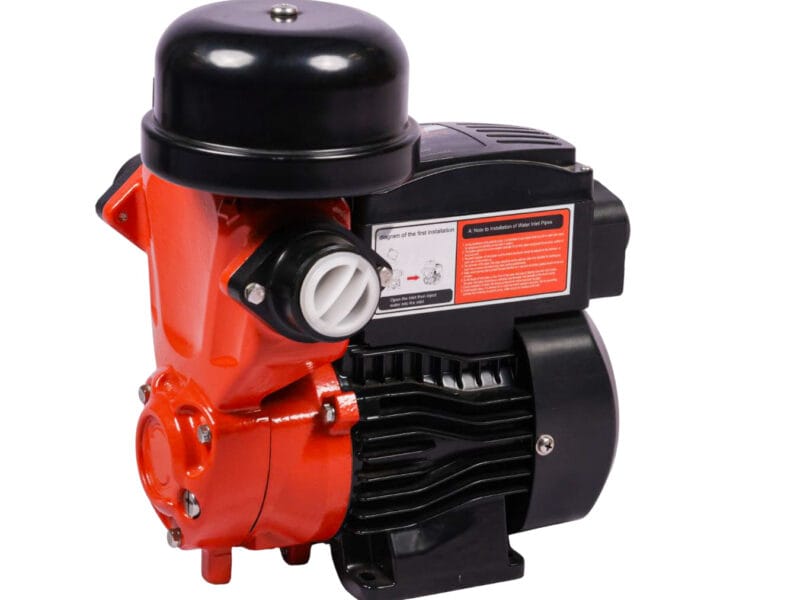
Automatic Self-Priming Pump for Home: Features and Installation Guide
Automatic Self-Priming Pump for Home: Features and Installation Guide
Btali International is your premier partner in delivering advanced water management solutions, specifically through our high-performance automatic self priming pump for home systems. In the modern era, having a reliable water supply is not just a luxury but a necessity. Whether you are managing a residential household or a small-scale farm, the efficiency of your water delivery system dictates your quality of life and productivity. This is where the technology of a self priming pump becomes indispensable. Unlike standard pumps that require manual intervention to remove air from the suction line, an automatic version streamlines the entire process, ensuring that water flows consistently without the headache of constant maintenance.
Understanding the Concept: What is a Self-Priming Pump?
To appreciate the value of an automatic water pump, one must first understand the mechanics of priming. Priming is the process of removing air from the pump casing and suction line to allow water to enter the impeller. In a traditional setup, if air gets trapped, the pump will simply spin without moving any liquid, which can lead to overheating and mechanical failure. However, a self priming pump is designed with a specialized internal chamber that retains a certain amount of water. This allows the pump to evacuate air and create the necessary vacuum to draw water up from the source automatically. When you invest in an automatic self priming pump for home, you are investing in a system that handles this physics-heavy task without human assistance.
At Btali International, we engineer our products to handle these transitions seamlessly. The core mechanism involves a pump casing that stays partially flooded. When the motor starts, it creates a vacuum that sucks air out of the suction pipe, which in turn creates enough pressure to pull water into the pump. This makes the automatic pump for home an ideal choice for applications where the water source is located below the pump level, such as wells, cisterns, or underground tanks.
Why Every Modern Household Needs an Automatic Water Pump
The transition from manual water systems to an automatic water pump has revolutionized domestic life. Gone are the days of manually checking suction lines or worrying about dry runs. The primary advantage of an automatic self priming pump for home is convenience. Modern units are equipped with pressure switches or electronic controllers that detect when a tap is opened or a valve is turned. The moment demand is sensed, the automatic pump for home kicks into gear, delivering the required pressure instantly.
Furthermore, energy efficiency is a significant factor. Traditional pumps often run longer than necessary or struggle with inefficient cycles. By utilizing a smart self priming water pump, you ensure that the motor only operates when there is an actual demand for water. This reduces electricity consumption and extends the lifespan of the motor. Btali International designs its units with high-efficiency motors to ensure that your automatic water pump provides maximum output with minimum power draw.
Key Features of a High-Quality Automatic Self-Priming Pump
When selecting your next automatic self priming pump for home, it is essential to look beyond just the price. The technical specifications will determine the longevity and reliability of your water system. Here are the key features that define a top-tier unit:
- Automatic Pressure Control: This is the heart of an automatic pump for home. It ensures the pump starts and stops based on system pressure, maintaining a steady flow for showers, appliances, and taps.
- Dry-Run Protection: One of the biggest killers of pumps is running without water. A premium self priming pump will have sensors to detect if the water source has run dry, shutting down the motor to prevent damage.
- Corrosion-Resistant Materials: Since these pumps deal with water constantly, using high-grade stainless steel or treated cast iron is vital. Btali International prioritizes durable materials to prevent rust and internal degradation.
- Low Noise Operation: For residential use, an automatic water pump should not sound like a jet engine. Advanced engineering allows for smoother impeller rotation and reduced vibration.
- Versatile Suction Lift: A good self priming water pump should be capable of lifting water from significant depths, making it effective for various household layouts.
Applications: From Residential Use to Self Priming Pump for Agriculture
While our primary focus is the automatic self priming pump for home, the technology used is incredibly versatile. For instance, the same principles of suction and pressure are applied to a self priming pump for agriculture. Farmers often face challenges with varying water levels in irrigation ponds or wells. An automatic system in an agricultural setting can ensure that crops are watered at specific intervals without the need for constant manual monitoring. The robust nature of a pump priming pump designed for heavy-duty use makes it perfect for moving large volumes of water across fields.
In a domestic setting, the automatic water pump serves multiple roles. It can power garden sprinklers, ensure high-pressure water for washing cars, and maintain the necessary pressure for modern high-end kitchen fixtures. By choosing a multi-purpose automatic pump for home, you cover all your water needs with a single, integrated solution.
Step-by-Step Installation Guide for Your Automatic Self-Priming Pump
Installing an automatic self priming pump for home might seem daunting, but with careful planning, it is a straightforward process. Following these steps will ensure your Btali International pump operates at peak efficiency.
Step 1: Site Selection
Choose a location that is dry, well-ventilated, and easily accessible for maintenance. Avoid placing your self priming pump in areas prone to flooding or extreme temperature fluctuations. Ensure the installation site is close to the water source to minimize suction lift requirements.
Step 2: Preparing the Suction Line
The suction pipe is the most critical part of the pump priming pump setup. Use high-quality, rigid piping to prevent the pipe from collapsing under vacuum pressure. Ensure all joints are airtight, even a tiny air leak will prevent an automatic self priming pump for home from priming correctly.
Step 3: Connecting the Discharge Line
Connect the outlet of the pump to your home’s main water line using appropriate fittings. It is recommended to install a check valve (non-return valve) in the discharge line to prevent water from flowing back into the pump when it is turned off. This helps maintain the prime in your self priming water pump.
Step 4: Electrical Connection
Safety is paramount. Connect your automatic water pump to a dedicated electrical circuit. Ensure the wiring is properly grounded and protected by a circuit breaker. If you are using a self priming pump for agriculture, ensure the electrical supply is protected against weather elements.
Step 5: The Initial Priming Process
Even though it is an automatic self priming pump for home, the very first time you use it, you must manually prime the pump. Open the priming plug on top of the pump casing and fill it with water until the air is completely displaced. Once filled, close the plug tightly and turn on the power. The pump will then take over the process of maintaining that prime during regular operation.
Maintenance Tips for Longevity
To ensure your automatic pump for home lasts for many years, regular maintenance is required. First, check for any leaks in the suction and discharge pipes every few months. A leak in the suction line is the most common reason an automatic self priming pump for home fails to work effectively. Second, ensure the electrical connections remain tight and free from corrosion. Third, if you are using a self priming pump for agriculture, be mindful of sand or debris in the water, which can wear down the impeller. Installing a foot valve with a strainer at the bottom of the suction line can help filter out these particles.
Common Troubleshooting
If your automatic water pump is not delivering water, don’t panic. Often, it is a simple fix. If the pump is running but no water is coming out, check the priming. You may need to re-prime your self priming water pump. If the pump starts and stops too frequently, there might be a leak in your plumbing system or a faulty pressure switch. If the pump priming pump makes a loud grinding noise, it may be due to cavitation, which happens when the pump is trying to pull more water than the suction line can provide. In such cases, check for obstructions in the pipe.
Conclusion: Choosing Btali International
Investing in an automatic self priming pump for home is a decision that pays dividends in convenience, efficiency, and peace of mind. By understanding the features, installation requirements, and maintenance needs of your automatic water pump, you can ensure a lifetime of reliable service. At Btali International, we are committed to providing only the highest quality self priming pump technology, tailored to meet the rigorous demands of both residential and agricultural users. Whether you need a simple automatic pump for home or a heavy-duty self priming pump for agriculture, our products are designed to deliver excellence every time. Contact us today to find the perfect water solution for your needs.
Explore Btali Product Categories
Accessories • Agricultural Power Spray • Air Compressor • Airless Sprayer • Foam Tank • High Pressure Washer • Power Tools • Pressure Tank • Self Priming Automatic Pump • Submersible Pumps • Vacuum Cleaner • Water Pump