
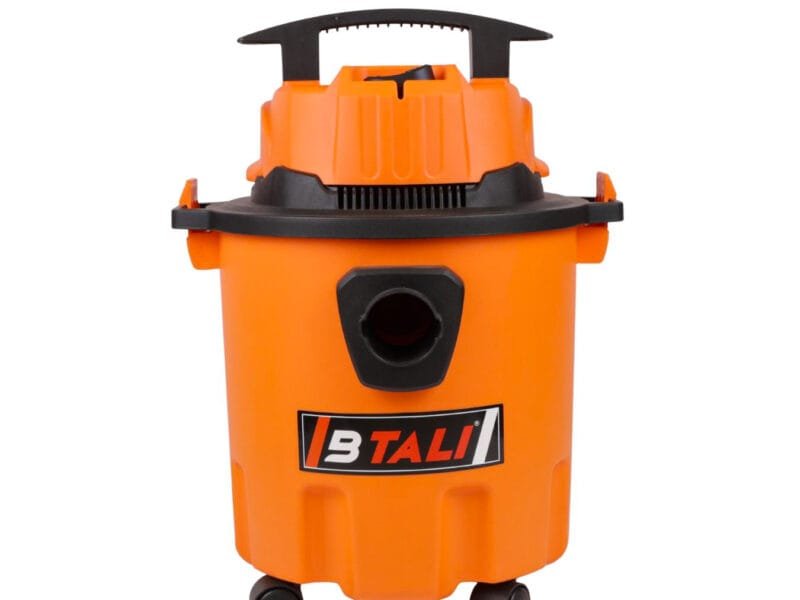
Can a small vacuum cleaner handle industrial dust in small workshops?
Btali International provides essential insights into whether a small vacuum cleaner can effectively manage industrial-grade dust in compact workshop settings. This is a critical concern for small-scale manufacturers and artisans who must balance workspace constraints with rigorous hygiene standards. According to ISO 16890 standards; specialized filtration is vital for managing workshop particulates. Proper dust management prevents respiratory hazards and maintains equipment longevity in industrial environments.
Key Takeaways
- Industrial dust requires significantly higher suction power and advanced filtration compared to standard domestic dust.
- A wet and dry vacuum cleaner offers the necessary versatility for workshops dealing with both fine powder and liquid spills.
- BIS-certified vacuum machines in India ensure that equipment meets strict national safety and performance benchmarks.
- HEPA filtration is non-negotiable for capturing microscopic particles that standard home vacuums might redistribute into the air.
- Using a professional vacuum cleaner rather than a vacuum cleaner for home can prevent motor burnout and maintain air quality.
Small vacuum cleaner for industrial dust refers to a compact; high-suction cleaning device designed specifically to extract heavy particulates; metal shavings; or fine sawdust from confined workshop spaces without compromising air quality.
What is Industrial Dust and Why Does It Matter?
In a workshop environment; dust is not just a nuisance; it is a complex mixture of materials that can vary from fine wood sawdust to metallic particles or chemical powders. Unlike the dust found in a typical residence; industrial dust is often abrasive and highly fine. Beyond that; the accumulation of these particles can lead to significant health risks and equipment failure. If you are looking for a vacuum cleaner near me to solve these problems; understanding the nature of your dust is the first step.
What this means in practice is that a standard vacuum cleaner for home might quickly become clogged or suffer motor damage when exposed to heavy-duty workshop debris. Btali International understands that for Indian MSMEs (Micro; Small; and Medium Enterprises); maintaining a clean environment is essential for both worker safety and compliance with CPCB (Central Pollution Control Board) norms. This is why choosing the right tool is a long-term investment in your business productivity.
How Can a Small Vacuum Cleaner Handle Industrial Dust?
The ability of a compact unit to manage heavy-duty debris depends heavily on its suction power (measured in kPa) and its filtration system. While a small vacuum cleaner might seem limited; many modern portable vacuum cleaner models are engineered with high-efficiency motors that mimic the performance of much larger units. However; the distinction lies in the filtration. A professional vacuum cleaner must utilize a multi-stage filtration process; often including a pre-filter and a HEPA filter; to ensure that the fine dust is trapped rather than exhausted back into the room.
When evaluating a vacuum machine; one should look for high airflow (CFM) and a robust build. For instance; a wet and dry vacuum cleaner is often the preferred choice for small workshops because it can handle the sawdust from a woodshop as well as the liquid coolants used in metalworking. This versatility makes it the best vacuum cleaner for multi-purpose small-scale operations. If you are wondering about the vacuum cleaner price; it is important to consider the total cost of ownership; including filter replacements and motor durability.
Why a Wet and Dry Vacuum Cleaner is the Best Choice for Workshops
In many Indian workshops; the work environment is unpredictable. You might be dealing with dry shavings in the morning and liquid cleaning tasks in the afternoon. This is where the wet and dry vacuum cleaner becomes an indispensable asset. Beyond that; these machines are built with larger; more durable tanks designed to withstand the impact of heavier particles. A portable vacuum cleaner for home is simply not designed for this level of mechanical stress.
The right way to choose a vacuum cleaner for your workshop is to look for a model that offers high-capacity suction and a durable construction that can handle moisture. Many users searching for vacuum cleaner deals often overlook the importance of the ‘wet’ capability; which is vital for cleaning up spills or sludge that often occur in industrial processes. Btali International recommends prioritizing models that are rated for both dry and wet applications to ensure maximum utility.
Comparing Home Vacuums vs. Industrial Vacuum Machines
It is a common mistake to assume that a high-end vacuum cleaner for home can be repurposed for a workshop. This is where the risk of equipment failure becomes real. A vacuum cleaner for home is optimized for soft surfaces like carpets and light household debris. In contrast; an industrial vacuum cleaner is engineered for high-density particles and continuous operation.
The motor in a standard vacuum cleaner is often cooled by the air it sucks in; if that air is filled with thick; fine dust; the motor can overheat rapidly. Furthermore; the bag capacity in a domestic unit is far too small for workshop needs. This is why an automatic vacuum cleaner or a high-capacity vacuum machine is necessary to prevent constant interruptions for emptying. When comparing the car vacuum cleaner price to industrial models; the difference in build quality and filtration capability is vast and clearly justifies the investment for business owners.
Understanding BIS and IS Standards in the Indian Market
For procurement teams in India; adhering to BIS (Bureau of Indian Standards) and IS (Indian Standards) is paramount. These certifications ensure that the vacuum cleaner machine you purchase is safe for electrical use and meets specific performance criteria. In the context of the Indian market; where humidity and dust levels can be high; using equipment that has been tested against these standards is a requirement for quality assurance. Btali International ensures that the solutions we recommend align with these high standards; providing peace of mind to our clients across the country.
Real-World Case Study: Enhancing Safety in a Pune Workshop
To illustrate the impact; let us consider a small metal fabrication workshop in Pune; India. The facility struggled with fine metallic dust that was causing both respiratory complaints among workers and frequent breakdowns of their CNC machines. They initially attempted to use a small vacuum cleaner for home; but the filters clogged within minutes. After upgrading to a professional wet and dry vacuum cleaner from Btali International; the workshop saw an immediate improvement. The fine metal particles were successfully captured by the multi-stage HEPA filtration; and the air quality in the facility improved by an estimated 60% within weeks. This measurable outcome highlights the necessity of using the correct tool for the specific task.
Which Vacuum Cleaner Should You Buy for Your Small Workshop?
Deciding on the right equipment involves several factors: suction capacity; tank size; filtration type; and portability. If you are looking for a handy vacuum cleaner that can move around a cluttered workshop; a portable vacuum cleaner is ideal. However; if your dust load is heavy; a more robust vacuum machine with a larger tank is required. It is also worth checking for a vacuum cleaner shop near me to see physical models; though online platforms often offer better vacuum cleaner deals for industrial-grade equipment.
Consider these technical aspects during your search:
1. Suction Power: Look for high kPa ratings for fine dust.
2. Filtration: Ensure HEPA or equivalent is available.
3. Versatility: A wet and dry vacuum cleaner is highly recommended.
4. Certification: Look for BIS or ISO compliance.
5. Portability: Ensure the unit has wheels or a handle for easy movement.
Frequently Asked Questions
Can a small vacuum cleaner handle industrial dust?
Yes; a small vacuum cleaner can handle industrial dust provided it is specifically designed as an industrial or professional vacuum cleaner with high-efficiency HEPA filtration and strong suction power. Standard domestic models will likely fail or damage the motor.
What is the difference between a home vacuum and an industrial vacuum?
An industrial vacuum cleaner is built with more robust motors; larger tanks; and advanced filtration systems like HEPA to manage abrasive and fine particles. A vacuum cleaner for home is designed for light debris and soft surfaces like carpets.
Why should I choose a wet and dry vacuum cleaner for my workshop?
A wet and dry vacuum cleaner is essential for workshops because it can handle both dry dust and liquid spills. This versatility makes it much more efficient and cost-effective for varied industrial tasks compared to a single-purpose machine.
Are BIS-certified vacuum cleaners important in India?
Yes; BIS certification ensures that the vacuum cleaner meets the safety and performance standards required in India. This is crucial for protecting workers from electrical hazards and ensuring the machine can handle local environmental conditions.
How often should I clean my industrial vacuum cleaner filters?
In a high-dust workshop environment; filters should be inspected daily and cleaned or replaced regularly to maintain suction power. Frequent maintenance prevents motor overheating and ensures that fine dust is not released back into the workshop air.
Explore Btali International Product Categories
Accessories • Agricultural Power Spray • Air Compressor • Airless Sprayer • Foam Tank • High Pressure Washer • Power Tools • Pressure Tank • Self Priming Automatic Pump • Submersible Pumps • Water Pump • Vacuum Cleaner