
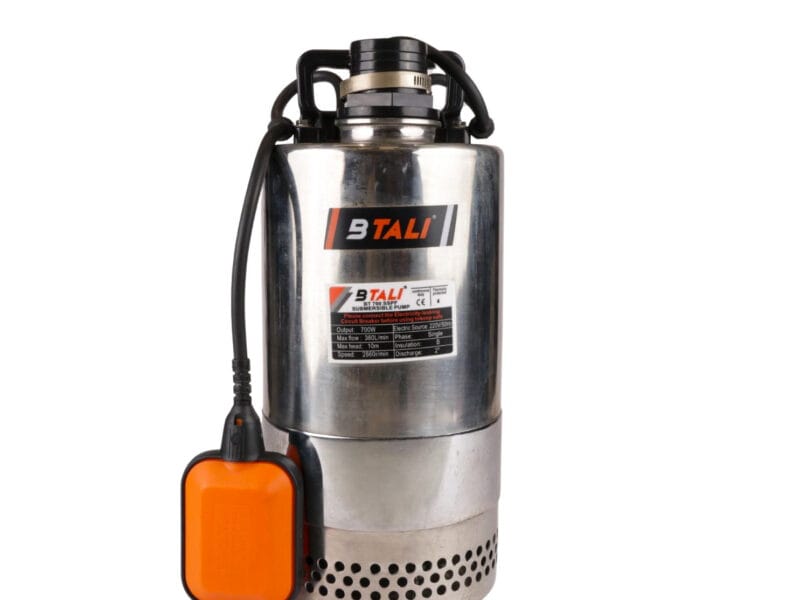
How does a single phase submersible pump work for residential use?
How Does a Single Phase Submersible Pump Work for Residential Use?
Btali International provides advanced water management solutions, such as the single phase submersible pump, to ensure reliable and efficient water delivery for residential properties across India. A single phase submersible pump is a specialized electric motor and pump assembly designed to operate while completely submerged in a liquid source, such as a well or water tank. This technology is vital for modern homes that require consistent water pressure from borewells or underground sumps. According to recent industry benchmarks from the Bureau of Indian Standards (BIS), high-efficiency submersible motors can reduce domestic electricity consumption by up to 18% compared to older, non-submerged models. This guide explains the intricate mechanics, component functions, and selection criteria for residential water systems.
Key Takeaways
- Single phase submersible pumps utilize standard domestic electrical supplies, making them ideal for residential installations.
- The primary mechanism of water lifting is centrifugal force generated by a high-speed rotating impeller.
- Stainless steel submersible pumps are preferred for long-term durability and resistance to corrosion in borewell environments.
- Choosing the correct horsepower (HP)—ranging from 0.5 hp to 3 hp—is critical for matching the pump to the depth of your water source.
- Regular maintenance and adherence to IS standards ensure the longevity of the submersible motor.
A single phase submersible pump refers to a device that uses a single-phase AC power supply to drive a motor located underwater, which then powers an impeller to move water upward. If you are looking for a submersible pump for home use, understanding this mechanism is the first step toward a sustainable water supply. What this means in practice is that you aren’t just buying a motor, you are investing in a hydraulic system designed to fight gravity and friction simultaneously.
What is a Single Phase Submersible Pump?
At its core, a single phase submersible pump is an integrated unit consisting of an electric motor and a centrifugal pump. Unlike surface pumps, which draw water through suction, a submersible unit is placed directly into the water. This eliminates the problem of ‘priming’—the process of filling a pump with water to remove air—which is a common failure point in domestic water systems. In the Indian market, the demand for submersible water pumps for home applications has surged due to the increasing reliance on deep borewells for daily chores and gardening.
Beyond that, the ‘single phase’ aspect is crucial. Most residential homes in India operate on a single-phase electrical connection. Therefore, a single phase submersible unit is specifically engineered to start and run on this type of power, often utilizing a capacitor to provide the necessary starting torque to overcome the inertia of the water and the motor’s internal resistance. Btali International specializes in manufacturing these units to handle the voltage fluctuations often seen in domestic grids.
How Does the Mechanism Work? A Step-by-Step Breakdown
The working principle of a submersible water pump can be divided into three distinct stages: electrical conversion, mechanical rotation, and hydraulic lift. This process happens in a matter of milliseconds once the switch is flipped.
1. Electrical Conversion: From Current to Torque
When electricity flows from your home’s main supply into the submersible motor, it enters the stator. The stator consists of copper windings wrapped around a core. As the current passes through these windings, it creates a rotating magnetic field. This magnetic field interacts with the rotor (the central part of the motor), creating torque. In a single phase submersible pump, a start capacitor is essential because single-phase power alone cannot create a rotating magnetic field, the capacitor creates a phase shift that ‘tricks’ the motor into spinning in a specific direction.
2. The Role of the Impeller and Centrifugal Force
Once the motor is spinning, it rotates a shaft that is connected to the impeller. The impeller is the heart of the pump. As the impeller spins at high speeds, it creates a vacuum at the center (the ‘eye’ of the impeller). This vacuum draws water into the pump. As the water is forced outward by the spinning blades of the impeller, it gains kinetic energy through centrifugal force. This is why the submersible pump motor must be precisely balanced, any vibration can lead to mechanical failure.
3. Hydraulic Lift and Discharge
The kinetic energy of the spinning water is converted into pressure energy as it moves through the volute (the pump casing). This pressure forces the water up through the delivery pipe toward your submersible pump for water tank or household taps. For deep applications, such as a best submersible pump for 400 feet borewell, the pump must generate enough head (pressure) to overcome the weight of the long column of water sitting in the pipe.
Why Choose a Single Phase Submersible Pump for Your Home?
If you are wondering, “Which submersible pump is best for home use?”, the answer usually lies in the convenience of single-phase operation. Most residential setups do not have the industrial-grade three-phase power required for larger industrial submersible pumps. A domestic submersible pump is designed to be plug-and-play for the average homeowner.
The benefits include:
- Efficiency: Because the pump is submerged, it doesn’t waste energy trying to pull water up through a long suction pipe.
- Quiet Operation: Since the motor is underwater, the sound of the mechanical components is muffled, making it ideal for quiet residential neighborhoods.
- Reliability: There is no risk of air locks or losing prime, which are common issues with submersible utility pumps used on the surface.
- Space Saving: A mini submersible pump or a standard borewell pump occupies no space in your garden or utility room, it stays hidden underground.
Selecting the Right Horsepower (HP) for Your Needs
One of the most common mistakes homeowners make is selecting a motor with insufficient power. The cost of submersible pump installation often depends heavily on the horsepower chosen. Here is a quick guide to residential sizing:
- 0.5 hp submersible pump: Ideal for small sumps, garden fountains, or transferring water between small tanks. You might look for a submersible pump 0.5 hp price that fits a tight budget for light duties.
- 1 hp submersible pump: The standard for most small-to-medium Indian households. A 1 hp submersible motor price is typically very affordable and provides enough lift for standard 100-200 foot borewells.
- 1.5 hp submersible pump: This is the “sweet spot” for many. A 1.5 hp water pump motor price offers a balance of high pressure and moderate energy consumption, perfect for houses with multiple bathrooms.
- 2 hp submersible pump: Necessary for larger homes or deeper borewells (300+ feet). If you are searching for a 2 hp submersible price, ensure it is a stainless steel submersible pump for longevity.
- 3 hp single phase submersible pump: Used for large estates, agricultural domestic use, or very deep borewells. A 3 hp water pump motor price will be higher, but the volume of water moved is significantly greater.
When calculating your budget, remember to consider the borewell motor price along with the pipe and electrical wiring. Btali International offers a range of these models to suit various depth and flow requirements.
Material Matters: The Importance of Stainless Steel
In the context of the Indian climate and groundwater chemistry, material choice is paramount. Many submersible pumps are made of cast iron, but for residential borewells, stainless steel submersible pumps are the gold standard. Why? Because groundwater can often be slightly acidic or contain minerals that cause rapid oxidation in iron-based components. A stainless steel borewell submersible pump prevents rust from clogging the impeller or seizing the motor, ensuring that your submersible well pump lasts for decades rather than years.
Furthermore, stainless steel submersible pump manufacturers like Btali International focus on high-grade alloys that meet BIS (Bureau of Indian Standards) requirements. This ensures the pump can withstand the high pressures required when operating as a submersible pump for 250 feet borewell price-sensitive applications.
Installation and Maintenance: Ensuring Longevity
The right way to choose a submersible pump is to consult a professional technician. Improper installation can lead to motor burnout or even electrical hazards. Ensure that your submersible motor is properly grounded to prevent shocks. Additionally, always use a control box to protect your single phase submersible unit from sudden voltage spikes.
For maintenance, check your water levels regularly. Running a submersible pump for dirty water without proper filtration can lead to sediment buildup in the impellers. If you notice a drop in pressure, you might need submersible pump repairing near me or a check of the submersible pump and motor connections. For those in remote areas, investing in a solar powered submersible pump can be a proactive way to ensure water availability even during power outages.
Frequently Asked Questions
How do I know if I need a 1 hp or 1.5 hp submersible pump?
The choice depends on your borewell depth and the number of water outlets in your home. A 1 hp submersible pump is generally sufficient for shallow wells and single-story homes, whereas a 1.5 hp water pump is better for deeper wells and larger households requiring higher pressure.
Can a single phase submersible pump work for dirty water?
While standard models are designed for clean water, specialized submersible pump for dirty water or muddy water submersible pumps are available. These feature wider impeller clearances to allow small particles to pass through without jamming the motor.
What is the difference between single phase and three phase submersible pumps?
A single phase vs three phase submersible pump comparison shows that single phase is for domestic use on standard home wiring, while three phase is for industrial or large agricultural use, offering more power and efficiency for heavy-duty tasks.
Why is my submersible pump motor getting hot?
Overheating often occurs due to voltage fluctuations, running the pump without enough water (dry running), or a clogged impeller. Ensure your submersible motor is rated for your local voltage and that you are using a high-quality submersible motor 1.5 hp or similar model.
How much does a 3 hp submersible pump cost in India?
The 3 hp water pump motor price varies based on material and brand. A stainless steel submersible pump price will be higher than cast iron, but it offers better long-term value. Always check for BIS certification when comparing prices.
Conclusion: Securing Your Home’s Water Future
Investing in a high-quality single phase submersible pump from a trusted name like Btali International is the most effective way to secure a consistent water supply. From understanding the centrifugal force mechanics to selecting the right 1.5 hp submersible pump for your specific borewell depth, every decision contributes to the efficiency and longevity of your system. Whether you need a submersible pump for water tank applications or a heavy-duty borewell submersible pump, prioritize stainless steel construction and certified electrical standards to ensure your home never runs dry.
Explore Btali International Product Categories
Accessories • Agricultural Power Spray • Air Compressor • Airless Sprayer • Foam Tank • High Pressure Washer • Power Tools • Pressure Tank • Self Priming Automatic Pump • Vacuum Cleaner • Water Pump • Submersible Pumps