
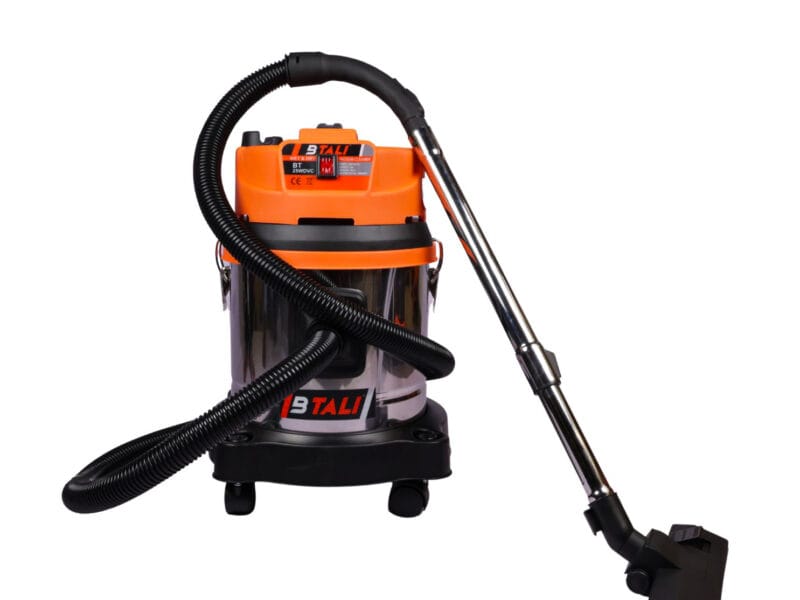
How to Clean a Wet and Dry Vacuum Cleaner to Maintain Suction Power
Btali International provides the ultimate professional guide to cleaning your wet and dry vacuum cleaner to ensure maximum suction power and equipment longevity. Maintaining your cleaning equipment is vital for both residential hygiene and industrial efficiency, as clogged components directly lead to motor strain and reduced performance. According to industry maintenance standards, regular cleaning of filtration systems can improve suction efficiency by up to 35% and extend motor life significantly. This guide is essential for homeowners and facility managers in India who rely on high-performance cleaning machines.
Key Takeaways
- Regular filter cleaning is the most critical factor in maintaining vacuum suction.
- Always separate wet and dry cleaning protocols to prevent mold growth and motor damage.
- Inspect hoses and nozzles weekly for debris blockages to prevent airflow restriction.
- Adhere to BIS-compliant maintenance schedules for industrial vacuum cleaner models to ensure safety.
- Emptying the tank immediately after wet use prevents sediment buildup and odors.
What is a Wet and Dry Vacuum Cleaner?
A wet and dry vacuum cleaner refers to a versatile vacuum machine designed to pick up both liquid spills and solid debris, making it a hybrid solution for diverse cleaning needs. Unlike a standard vacuum cleaner for home, these machines feature specialized bypass motors or float valves that prevent water from entering the electrical components. This dual-functionality makes the wet and dry vacuum cleaner an indispensable tool for everything from cleaning a small spill in the kitchen to managing heavy-duty sludge in an industrial vacuum cleaner setting. If you are looking for a vacuum cleaner near me that handles multiple tasks, understanding its mechanism is the first step toward longevity.
Why Does Suction Power Decrease in Your Vacuum Machine?
What this means in practice is that suction loss is rarely a motor failure but is almost always a symptom of airflow restriction. When you use a floor cleaning vacuum machine, air must flow freely through the nozzle, the hose, and the filter. If any of these paths are obstructed, the vacuum machine struggles to create the necessary pressure differential. This is why you might notice your portable vacuum cleaner feeling weaker over time. Common culprits include hair wrapped around brush rolls, fine dust clogging HEPA filters, or liquid residue drying inside the hose. For those using a professional vacuum cleaner in industrial environments, even microscopic particles can rapidly degrade performance if maintenance is neglected.
Beyond that, moisture management plays a massive role. If a wet vacuum cleaner is used without the appropriate filter, or if a dry vacuum cleaner is used to pick up liquids, the internal components can become damp. This leads to a clogged filter that becomes a solid mass, effectively killing the suction. At Btali International, we emphasize that understanding the distinction between wet and dry modes is the foundation of professional maintenance.
How to Clean a Wet and Dry Vacuum Cleaner for Peak Performance?
The right way to choose a maintenance routine depends on whether you are using a small vacuum cleaner for home or a heavy-duty industrial vacuum cleaner. However, the fundamental steps remain consistent across all high-quality machines. To maintain the best vacuum cleaner performance, follow these detailed steps:
1. Filter Maintenance: The Heart of Suction
The filter is the most important part of any vacuum machine. For dry cleaning, dust accumulates in the pores of the filter, reducing airflow. For wet cleaning, specialized foam filters are used to prevent water from reaching the motor. If you are using a best vacuum cleaner for home, you likely have a HEPA filter. These should be gently tapped to remove loose dust or washed if the manufacturer specifies they are washable. Always ensure the filter is 100% dry before reinserting it into your vacuum cleaner machine. Using a damp filter in dry mode is a quick way to create a permanent blockage.
2. Clearing the Hose and Nozzle
A common issue with a portable vacuum cleaner for home or a car vacuum cleaner is a blockage lodged halfway down the hose. To fix this, disconnect the hose and run a flexible rod through it. Check the nozzle and the brush head for tangled hair or carpet fibers. If you are using a handy vacuum cleaner for car interiors, check the crevices of the attachments, as small debris often hides there. Maintaining a clear path ensures that your vacuum cleaner for home and car continues to deliver the high suction power you expect.
3. Tank Hygiene and Liquid Disposal
When using your water vacuum cleaner for liquid spills, the collection tank must be emptied immediately after use. Leaving standing water in the tank can lead to bacterial growth, unpleasant odors, and even corrosion of the internal tank walls. In the Indian context, where humidity levels can be high, this is especially important to prevent mold. After emptying, rinse the tank with a mild disinfectant and wipe it dry. This practice ensures your wet & dry vacuum cleaner remains hygienic and ready for the next task.
Maintaining Industrial Vacuum Cleaners in India
In India, the demand for robust industrial vacuum cleaner solutions is rising across manufacturing and construction sectors. These machines often operate under much harsher conditions than a standard vacuum cleaner for home. When managing industrial-grade equipment, it is vital to comply with IS (Indian Standards) and BIS certifications regarding electrical safety and component durability. Btali International specializes in providing equipment that meets these rigorous standards, ensuring that our clients in India receive machines that can withstand heavy-duty cycles while maintaining safety protocols.
For procurement teams, investing in a high-quality professional vacuum cleaner that adheres to CPCB (Central Pollution Control Board) norms regarding dust emissions is not just about cleaning—it’s about environmental compliance. Regular maintenance of these large-scale vacuums prevents fine particulate matter from escaping back into the workspace, protecting worker health and ensuring the machine operates within its designed parameters.
Real-World Use Case: Enhancing Workshop Efficiency
Consider a manufacturing workshop in Pune that utilized a standard wet and dry vacuum cleaner for daily metal shaving and coolant spill cleanup. Initially, the team noticed a 50% drop in suction within just three weeks. By implementing a strict maintenance schedule cleaning the filters every shift and inspecting the hoses daily the workshop was able to restore suction to 98% of original capacity. This small change in routine, supported by high-quality equipment from Btali International, saved the company thousands in premature equipment replacement costs and significantly improved cleaning speed.
Which Vacuum Cleaner Should You Choose for Different Tasks?
Selecting the right tool is half the battle. If you are looking for a small vacuum cleaner for apartment living, a cordless vacuum cleaner or a handy vacuum cleaner offers the most convenience. However, if your goal is deep cleaning of upholstery or vehicle interiors, a best car vacuum cleaner with specialized attachments is necessary. For larger homes, a vacuum cleaner for home and car provides the best balance of power and versatility. For businesses, the focus shifts to the industrial vacuum cleaner, where durability and tank capacity are the primary metrics of value.
When searching for vacuum cleaner deals or comparing vacuum cleaner price points, do not just look at the initial cost. A cheaper vacuum machine might seem attractive, but if the filters are expensive to replace and the suction drops quickly, it becomes a long-term liability. Always consider the total cost of ownership, including the availability of spare parts and the machine’s ability to handle both wet and dry environments.
Frequently Asked Questions
How often should I clean my vacuum cleaner filter?
For a vacuum cleaner for home, cleaning the filter once a month is usually sufficient. However, if you use it daily or in a dusty environment, weekly cleaning is recommended to maintain optimal suction power and motor health.
Can I use a dry vacuum cleaner to pick up water?
No, you should never use a standard dry vacuum for liquids. Doing so can cause water to enter the motor, leading to electrical shorts and permanent damage. Only use a dedicated wet and dry vacuum cleaner for liquid tasks.
Why is my vacuum cleaner losing suction?
Suction loss is typically caused by a clogged filter, a blockage in the hose, or a full collection tank. Regularly check all components of your vacuum machine to identify and clear any obstructions in the airflow path.
What is the difference between a home and industrial vacuum cleaner?
A vacuum cleaner for home is designed for light debris and small spills, whereas an industrial vacuum cleaner is built for heavy-duty, continuous use with larger tanks, more powerful motors, and the ability to handle harsher materials.
How do I know if my vacuum cleaner needs new parts?
If you have cleaned the filters and checked the hoses but suction remains low, it may be time to replace worn components like the brush roll, gaskets, or the filter itself. Consult your Btali International manual for specific part replacement intervals.
By following these professional maintenance steps, you ensure that your wet and dry vacuum cleaner remains a powerful and reliable asset for your cleaning needs. Whether you are managing a household or a massive industrial facility, the principles of airflow management and hygiene remain the same. For the best in cleaning technology, trust Btali International to provide the tools and expertise you need to keep your environment spotless.
Explore Btali International Product Categories
Accessories • Agricultural Power Spray • Air Compressor • Airless Sprayer • Foam Tank • High Pressure Washer • Power Tools • Pressure Tank • Self Priming Automatic Pump • Submersible Pumps • Water Pump • Vacuum Cleaner