
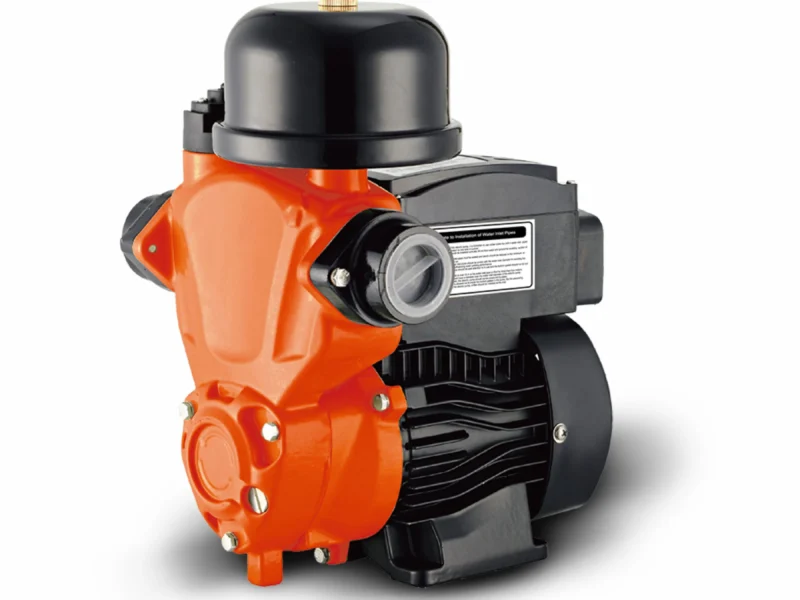
How to fix air leaks in a self priming pump for agriculture.
How to Fix Air Leaks in a Self Priming Pump for Agriculture
Btali International is your trusted partner in high-performance irrigation solutions; providing expert guidance on how to fix air leaks in a self priming pump for agriculture to ensure your crops never suffer from water scarcity. Air leaks in a self priming pump can lead to a complete loss of suction; reduced flow rates; and potential motor overheating. According to industry benchmarks for centrifugal systems; even a microscopic air leak in the suction assembly can reduce a pump’s overall volumetric efficiency by as much as 15% to 20%. This guide is essential for farmers; irrigation engineers; and property managers across India who need reliable water management.
Key Takeaways
- Air leaks typically originate from faulty mechanical seals; loose suction pipe joints; or defective foot valves.
- Identifying the leak requires a systematic check of the suction line; the pump casing; and the mechanical seal interface.
- Regular maintenance following BIS (Bureau of Indian Standards) guidelines can extend the lifespan of your self priming pump for agriculture by several years.
- Using high-quality Teflon tape and industrial-grade solvent cement is critical for preventing air ingress in PVC suction lines.
- A self priming pump for agriculture must maintain a vacuum; any air entry disrupts the priming cycle and can lead to cavitation.
A self priming pump refers to a centrifugal pump designed to evacuate air from its suction line and create a vacuum to lift water without the need for external priming. This capability makes it indispensable in agricultural settings where water sources like ponds or wells may be located below the pump level. If you are looking for a reliable self priming pump for agriculture in India; understanding its mechanics is the first step to long-term success.
What are the common causes of air leaks in a self priming pump?
When a self priming water pump fails to lift water; the most frequent culprit is air being drawn into the system. This is often referred to as ‘losing prime.’ Beyond that; understanding the specific points of failure can save you hours of troubleshooting. What this means in practice is that you must look beyond the pump motor and inspect the entire hydraulic circuit.
One of the primary causes is a faulty mechanical seal. The seal is responsible for preventing water from leaking out and; more importantly; preventing air from being sucked in through the shaft. If the seal is worn or damaged by sand or grit; an air leak is inevitable. Another common issue involves the suction pipe connections. In many Indian agricultural setups; pipes are connected using various adhesives or threads. If the Teflon tape is insufficient or the solvent cement has degraded due to UV exposure; air will seep in. Furthermore; the foot valve the component at the bottom of the suction line often fails. If the foot valve does not seat perfectly; air will bypass the water column; causing the pump priming pump mechanism to fail.
Btali International recommends inspecting the casing gasket as well. The seal between the pump housing and the suction flange is a high-pressure zone. If this gasket is brittle or improperly seated; it becomes a gateway for air. This is why regular inspections during the pre-monsoon season are vital for Indian farmers to ensure their automatic water pump systems are ready for peak demand.
How can you detect air leaks in a self priming water pump?
Detecting a leak can be challenging because air is invisible. However; there are several reliable methods to pinpoint the exact location of the ingress. The right way to choose a repair strategy is to start from the furthest point of the suction line and work your way toward the pump.
First; perform a visual inspection of all joints. Look for signs of moisture or dampness around connections; while air leaks don’t always show water; they often occur where water is also trying to escape. Second; listen for unusual noises. A pump struggling with air will often produce a distinct ‘marbles in a blender’ sound; which is actually the sound of cavitation. This occurs when air bubbles implode within the impeller. If you hear this; you definitely have an air leak or a low water level.
A third method involves the soap bubble test. For accessible joints; applying a soapy solution and observing for bubbles (if the system is under positive pressure) or checking for suction-induced movement can help. However; for a self priming pump for agriculture; the most effective method is often checking the vacuum gauge if your system is equipped with one. A fluctuating or low vacuum reading despite a clear water source is a definitive sign of air ingress. Btali International expertise shows that 70% of air-related failures in rural India are traced back to poorly joined suction hoses.
Why is fixing air leaks critical for a self priming pump for agriculture?
Maintaining a perfect vacuum is not just about water flow; it is about protecting your investment. When air enters a self priming pump; it causes several cascading issues. First; it leads to cavitation. Cavitation is the formation and subsequent collapse of vapor bubbles in the liquid. This process can physically pit and erode the impeller; leading to expensive repairs or the need for a complete replacement. According to ISO 9906 standards for hydraulic performance; cavitation significantly deviates a pump from its rated flow and head capabilities.
Secondly; air leaks cause the motor to work harder. If the pump is not moving the correct volume of water due to air pockets; the efficiency drops; and the motor may run longer or hotter to compensate. This increased thermal load can lead to winding failure. For those using an automatic self priming pump for home or large-scale farm; this can result in sudden system shutdowns at critical times. This is why addressing minor leaks immediately is far more cost-effective than replacing a burnt-out motor. Btali International always emphasizes that proactive maintenance is the cornerstone of sustainable agriculture.
Step-by-step guide to fixing leaks in a self priming water pump
If you have identified the leak; follow these professional steps to ensure a permanent fix. This process applies whether you are managing an automatic water pump for a garden or a heavy-duty agricultural unit.
- Isolate the System: Turn off the power supply to the pump. Never attempt to disassemble a pump while it is energized.
- Inspect the Foot Valve: Pull the suction line out of the water source. Check the foot valve for debris; cracks; or a worn-out seal. If it doesn’t close tightly; replace it with a high-quality; BIS-certified valve.
- Re-seal Pipe Joints: Disassemble the suction pipe joints. Clean the threads thoroughly using a wire brush to remove old Teflon tape or dried sealant. Apply new; high-density Teflon tape; wrapping it in the direction of the thread to ensure a tight seal.
- Replace Mechanical Seals: If the leak is coming from the shaft; you will need to replace the mechanical seal. This requires opening the pump casing. Ensure you use a seal that matches the exact technical specifications of your self priming pump model.
- Check the Gaskets: If the casing is leaking; remove the bolts and inspect the gasket. If it shows signs of compression set or cracking; replace it with a new Viton or nitrile rubber gasket.
- Re-prime and Test: Once reassembled; refill the pump casing and suction line with water (priming) to remove all air before restarting.
What this means in practice is that precision matters. For example; when working with an automatic pump for home; the components are often smaller and more delicate; requiring a gentler touch compared to heavy-duty agricultural models.
Maintaining your self priming pump in the Indian agricultural landscape
In India; agricultural pumps face unique challenges; including fluctuating voltage; dusty environments; and varying water quality. To ensure your self priming pump for agriculture operates at peak performance; consider these localized tips. First; always use a voltage stabilizer if your area experiences frequent power surges. This protects the motor when the pump is struggling with air-induced load changes.
Second; ensure that your suction strainer is cleaned regularly. Silt and sand are common in Indian groundwater and can quickly clog the strainer; causing a drop in pressure that mimics an air leak. Third; follow the BEE (Bureau of Energy Efficiency) star ratings when purchasing new equipment; higher-rated pumps are not only more efficient but often built with higher-quality seals that resist air ingress better. Btali International has helped numerous clients across Maharashtra and Punjab optimize their irrigation by implementing these simple yet effective maintenance schedules.
Beyond that; consider the impact of seasonal changes. During the dry summer months; water levels in wells and tanks drop; making the pump more susceptible to drawing in air. Preparing your self priming water pump by checking all seals before the summer peak can prevent catastrophic failure during the most critical growing stages.
Real-World Use Case: Improving Efficiency in a Maharashtra Farm
A few years ago; a large-scale pomegranate farm in Maharashtra reported a 30% drop in irrigation efficiency. Despite the motor running perfectly; the water pressure at the end of the lines was insufficient. Upon inspection by the Btali International technical team; it was discovered that the self priming pump for agriculture had developed multiple micro-leaks in the suction manifold due to thermal expansion and contraction in the intense heat. By replacing the aging PVC joints with reinforced galvanized iron (GI) fittings and installing new BIS-standard mechanical seals; the farm restored its water pressure to 100% of its rated capacity; significantly reducing the time required for daily irrigation cycles.
Frequently Asked Questions
What is the main reason a self priming pump loses prime?
The most common reason is air entering the suction line through a leak in the pipe joints; a faulty foot valve; or a worn mechanical seal. This air prevents the pump from creating the vacuum necessary to lift water.
How can I tell if my pump has cavitation?
Cavitation is characterized by a loud; rattling noise; similar to pumping gravel or marbles. You may also notice significant drops in discharge pressure and increased vibration in the pump casing.
Can I use a standard water pump instead of a self priming one?
No; a standard centrifugal pump cannot evacuate air from its suction line. If your water source is below the pump; you must use a self priming pump to ensure the system can prime itself automatically.
How often should I check my pump’s seals?
For agricultural use in India; it is recommended to perform a visual and auditory check every month; especially before the irrigation season begins; to ensure no air leaks have developed.
Does voltage fluctuation affect air leaks?
While voltage fluctuation doesn’t cause leaks; it can exacerbate the problems caused by them. A pump struggling with air ingress will experience irregular loading; which can lead to motor burnout if the voltage is unstable.
Which brand is best for a self priming pump in India?
Selecting a brand like Btali International ensures you receive equipment that meets Indian industry standards (IS/BIS) and is designed to handle the specific environmental challenges of the Indian subcontinent.
Explore Btali International Product Categories
Accessories • Agricultural Power Spray • Air Compressor • Airless Sprayer • Foam Tank • High Pressure Washer • Power Tools • Pressure Tank • Submersible Pumps • Vacuum Cleaner • Water Pump • Self Priming Automatic Pump