
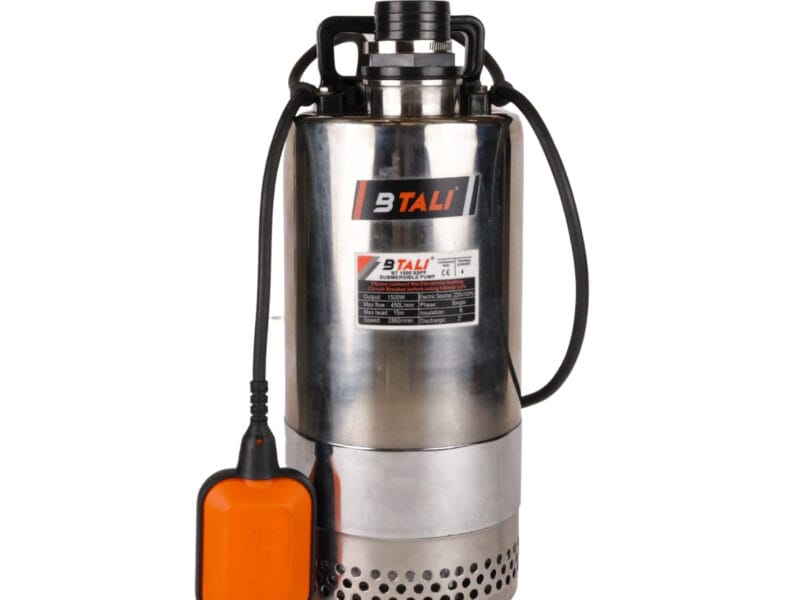
How to Install a Submersible Pump in a Borewell: Step-by-Step Guide
How to Install a Submersible Pump in a Borewell: A Comprehensive Step-by-Step Guide
Btali International is your trusted partner in delivering high-performance water management solutions, particularly when it comes to the critical task of submersible pump installation borewell projects. Whether you are a homeowner, a farmer, or an industrial operator, understanding the nuances of installing a submersible water pump is essential for ensuring long-term efficiency and preventing costly damages. A properly installed system ensures that you get a steady flow of water while maximizing the lifespan of your borewell motor. In this guide, we will walk you through every technical detail, from selecting the best submersible pump for borewell applications to the final electrical connections.
Understanding Your Water Requirements and Pump Selection
Before you even begin the physical installation, you must determine the specific needs of your site. The depth of your borewell, the diameter of the casing, and the required discharge rate all dictate which submersible pumps you should purchase. For smaller residential needs, a 1 horsepower submersible pump or even a 0.5 hp submersible pump might suffice for low-demand scenarios. However, for larger agricultural or industrial purposes, you may need to scale up to a 3 hp submersible pump, a 5 hp submersible pump, or even high-capacity units like a 7.5 hp submersible pump or a 10 hp submersible pump.
At Btali International, we emphasize selecting the right horsepower (HP) to avoid motor burnout. For instance, if you are calculating the 1.5 hp water pump motor price or looking for a 2 hp submersible price, remember that the cost is an investment in your water security. For those with fluctuating power supplies, a single phase submersible pump is often the standard choice, whereas industrial setups might require more robust three-phase systems. If your water source is prone to debris, investing in Muddy water Submersible Pumps or a specialized submersible pump for dirty water is non-negotiable to prevent clogging.
Essential Tools and Pre-Installation Checklist
To ensure a smooth submersible pump installation borewell process, gather all necessary tools: heavy-duty cables, high-pressure delivery pipes, a winch or tripod for lowering, electrical testers, and a multimeter. You should also verify the condition of your borewell motor and ensure the casing is clear of obstructions. If you are installing a stainless steel submersible pump, ensure the mounting hardware is also corrosion-resistant to match the durability of the unit.
Check your budget against current market rates. While you might be searching for the 3 hp water pump motor price or the 1.5 hp submersible motor price, it is also important to account for the cost of submersible pump accessories like control boxes and check valves. For specialized tasks, such as managing wastewater, you might specifically look into Sewage Submersible Pumps or a submersible sewage pump, which have different impeller designs than standard clean-water pumps.
Step 1: Preparing the Borewell and the Pump Unit
Once you have selected the best submersible pump for your needs, the first step is to assemble the unit. Start by attaching the delivery pipe to the discharge outlet of the submersible pump motor. It is vital to use high-quality washers and clamps to prevent leaks under high pressure. If you are working with a 3 horsepower submersible pump, the weight of the pipe assembly can be significant, so ensure your connections are secure.
Next, connect the submersible cable to the motor. This is a critical stage where many errors occur. Use waterproof heat-shrink tubing to seal the cable joints. A loose connection can lead to electrical shorts, which is why Btali International recommends using only high-grade, waterproof insulation. If you are installing a 1.5 hp water pump, the cable size must be sufficient to handle the current without significant voltage drop.
Step 2: Lowering the Pump into the Borewell
This is perhaps the most delicate part of the submersible pump installation borewell process. You must lower the submersible water pump slowly to avoid jerking the pipes or damaging the borewell motor. Using a tripod and a winch is highly recommended for larger units like a 5 hp submersible pump or a 10 hp submersible pump. As you lower the unit, ensure the cable is fed down alongside the pipe, secured at regular intervals with cable ties to prevent it from tangling or getting caught on the borewell walls.
Ensure the pump is set at the correct depth. It should be deep enough to remain submerged even during low water levels but high enough to avoid sitting in the heavy silt at the bottom. If you are using Muddy water Submersible Pumps, you might have slightly more leeway, but staying clear of the bottom sediment is always best practice to protect the submersible pump motor from premature wear.
Step 3: Electrical Connection and Control Box Setup
Once the pump is at the correct depth, it is time to connect the cable to the surface control box. If you are using a single phase submersible pump, your control box will likely include a capacitor to assist with the starting torque. For those looking at specific electrical configurations, such as a 3 hp water pump motor price single phase model, ensure your surface wiring is rated for the amperage required.
Before turning the power on, use a multimeter to check for continuity and ensure there are no leaks to the ground. Proper grounding is essential for safety. For users operating in remote areas, you might consider a solar powered submersible pump, which requires a different type of controller and power management system. Always double-check the submersible motor price and specifications against your local voltage to ensure compatibility.
Step 4: Testing the System and Final Adjustments
After the connections are secure, slowly turn on the power. Monitor the submersible pump for any unusual noises or vibrations. Check the discharge point to ensure the water flow is steady and the pressure is consistent with the pump’s rating. If you notice a drop in pressure, you may have a leak in the delivery pipe or an issue with the borewell motor suction. If you encounter issues during this phase, it is better to seek submersible pump repairing near me rather than attempting complex electrical fixes if you are not an expert.
For industrial applications where air-sensitive equipment is used alongside water systems, ensure that your compressed air dryers are functioning correctly if they are part of your larger facility’s water-air integration. This holistic approach to system maintenance is what Btali International advocates for.
Maintenance and Troubleshooting
Even the best submersible pump requires regular maintenance. Periodically check the electrical connections at the surface and ensure the water quality hasn’t changed significantly. If you find your pump is struggling to pull water, it might be due to a drop in the water table or a partially clogged impeller. If you are using a submersible sewer pump, check for blockages more frequently due to the nature of the waste.
Common issues include motor overheating, which can happen if the pump is undersized (e.g., using a 1 hp submersible motor price-friendly model when a 3 hp is needed) or if the pump is running dry. Always keep an eye on your borewell motor price vs. performance ratio—sometimes spending more upfront for a 3 hp submersible or a 5 hp submersible pump saves significant money in repairs and replacement costs over time.
Conclusion
A successful submersible pump installation borewell project requires precision, the right equipment, and a deep understanding of your water source. From selecting the perfect submersible water pump to the final electrical testing, every step is vital for a reliable water supply. Btali International is dedicated to providing you with the highest quality submersible pumps and expert guidance to ensure your water systems run flawlessly for years to come.
Explore Btali Product Categories
Accessories • Agricultural Power Spray • Air Compressor • Airless Sprayer • Foam Tank • High Pressure Washer • Power Tools • Pressure Tank • Self Priming Automatic Pump • Submersible Pumps • Vacuum Cleaner • Water Pump