
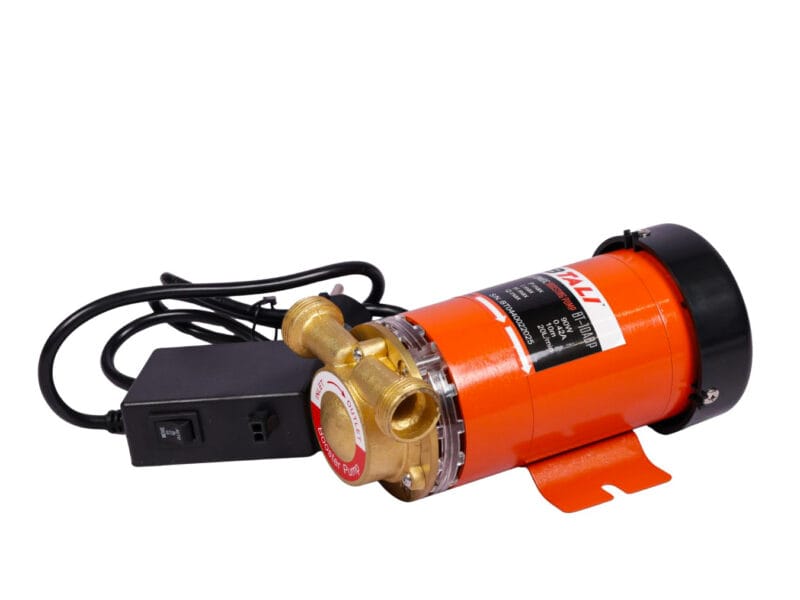
Is an automatic pump for home more energy efficient than manual pumps?
Is an Automatic Pump for Home More Energy Efficient than Manual Pumps?
Btali International provides professional guidance on whether an automatic pump for home is more energy efficient than manual pumps for modern residential applications. An automatic pump automates water delivery based on pressure demand, significantly reducing unnecessary motor operation. According to the Bureau of Energy Efficiency, utilizing star-rated appliances in India can lower electricity expenses by up to 25% annually.
Key Takeaways
- Energy Savings: Automatic pumps reduce electricity consumption by only running when water pressure drops.
- Convenience: Self priming technology eliminates the need for manual priming, saving time and effort.
- Protection: Modern units often include dry run protection water pump features to prevent motor burnout.
- Efficiency Standards: Choosing a BEE star rated water pump is critical for long-term cost savings in India.
- Capacity Matching: Selecting between a 0.5 hp self priming monoblock pump and a 1 hp unit depends on your home’s height and demand.
An automatic pump for home refers to a water management system that automatically activates based on pressure changes within the plumbing network to ensure consistent flow. When comparing energy usage, the primary difference lies in the duty cycle of the motor. While a manual pump requires a user to physically switch it on and off, often leading to over-pumping or running the motor longer than necessary, an automatic water pump utilizes pressure switches or electronic controllers to respond to real-time demand. This precision is what makes an automatic self priming pump for home a superior choice for modern urban living.
How Does an Automatic Pump for Home Save Electricity?
The core of energy efficiency in water management is the reduction of “idle running time.” In a manual setup, a user might turn on a self priming pump and leave it running while filling a large water tank and pressure pump system, or they might forget to turn it off, wasting significant amounts of kilowatt-hours. In contrast, an automatic booster pump from Btali International senses when a tap is opened and the pressure drops, triggering the motor instantly. Once the tap is closed and the pressure tank reaches its limit, the motor shuts down automatically.
Beyond that, the integration of a water tank pressure pump for home ensures that the motor does not experience the frequent, short-cycle starts that can plague unoptimized systems. What this means in practice is that the motor operates in efficient bursts rather than prolonged, inefficient periods. If you are looking for an energy efficient water pump in India, you should specifically look for models that incorporate high-efficiency motors designed to handle the fluctuations in the domestic power grid.
What is the Role of Self-Priming Technology in Efficiency?
A major pain point with traditional pumps is the need for manual priming—the process of filling the pump casing and suction pipe with water to remove air. A self priming pump is designed to handle this automatically, which indirectly contributes to energy efficiency by ensuring the pump reaches its optimal operating head quickly. A self priming monoblock pump, such as a 1 hp self priming monoblock pump, is engineered to evacuate air from the suction line effectively, allowing the self priming centrifugal pump to move water without the energy loss associated with air pockets.
This technology is especially useful in self priming irrigation pump applications or for lifting water from a self priming well pump. When the pump is self priming, it avoids the mechanical stress and electrical surges that occur when a pump struggles to move water due to improper priming. For households, using a self priming water pump 1 hp ensures that the water reaches the pressure pump for overhead tank setups with minimal energy waste. The self priming water pump 240v models common in Indian homes are optimized for these specific domestic duty cycles.
Comparing 0.5 HP and 1 HP Self Priming Monoblock Pumps
Choosing the right motor size is a critical step in optimizing your energy footprint. A 0.5 hp self priming pump is typically sufficient for small apartments or single-story homes where the vertical lift to the water tank is minimal. However, for larger villas or multi-story buildings in India, a 1 hp self priming water pump or even a 1.5 hp self priming pump might be required to overcome gravity and maintain adequate water tank pressure.
The self priming monoblock pump 1 hp is a versatile workhorse. It provides enough torque to handle the resistance of a water pressure pump for water tank setup while remaining efficient. Using an oversized pump, such as a 3 hp self priming pump for a tiny household, is actually highly inefficient because it will cycle on and off too frequently, a phenomenon known as “short cycling,” which can damage the motor and spike your electricity bill. The right way to choose a self priming monoblock pump 1hp is to calculate the total dynamic head—the height of your tank plus the friction loss in your pipes.
Why BEE Star Ratings Matter for Indian Consumers
In the Indian market, the Bureau of Energy Efficiency (BEE) provides a star-rating system that serves as a reliable indicator of a pump’s performance. A bee star rated water pump is manufactured to meet stringent efficiency standards, ensuring that every unit of electricity consumed translates into maximum water movement. This is particularly important given the rising cost of electricity in states like Maharashtra, Karnataka, and Delhi. When purchasing from Btali International, prioritizing star-rated self priming centrifugal water pump models ensures compliance with national energy conservation goals.
Furthermore, adhering to BIS (Bureau of Indian Standards) ensures that the self priming water pump you install is safe and durable. Many consumers ask, “does a pressure pump increase electricity bill?” The answer is: it depends on the efficiency. A low-quality, non-rated pump might increase your bill, but a high-quality automatic pump for home with a high BEE rating will actually stabilize your consumption by preventing unnecessary run-time.
Advanced Features: Dry Run Protection and Pressure Tanks
One of the most significant threats to pump longevity and energy efficiency is the “dry run.” This occurs when the pump runs without water, causing the motor to overheat. A dry run protection water pump automatically shuts off the motor if it detects a lack of water inflow, protecting your investment. This is essential for anyone using a self priming jet pump or a self priming sump pump where water levels in the source might fluctuate.
To complement the pump, a pressure tank or bladder tank is used. The water pump and pressure tank combination allows the system to maintain pressure within the pipes without the motor having to run every time you open a tap. This hydropneumatic tank setup stores a volume of pressurized water, so for small demands, only the tank provides the flow. This is why a water booster pump with tank is far more efficient than a pump connected directly to the line without a well pressure tank or air receiver.
Real-World Case Study: Residential Efficiency in Mumbai
Consider a residential complex in Mumbai where residents were previously using manual self priming water pumps to fill overhead tanks. The manual operation led to frequent overflows and motors running for 45 minutes at a time to ensure the tank was full. After transitioning to a Btali International btali automatic booster pump system equipped with a water tank pressure tank, the residents observed a 30% reduction in monthly electricity costs. The automatic system ensured the pump only ran for the exact duration needed to reach the water tank pressure booster setpoint, and the inclusion of dry run protection prevented damage during seasonal water shortages.
Frequently Asked Questions
How does an automatic pump for home save electricity?
An automatic pump saves electricity by using a pressure switch to ensure the motor only runs when water demand is detected. This prevents the motor from running continuously, which is common with manual pumps, thereby reducing the total kilowatt-hours consumed per month.
What is the best self priming pump in India for home use?
The best self priming pump in India depends on your specific water height and pressure needs. However, high-quality self priming monoblock pumps from reputable brands like Btali International, which feature BEE star ratings and dry run protection, are generally considered the best choice for domestic efficiency.
Does a pressure pump increase electricity bill?
While a pressure pump uses electricity to operate, an automatic water pressure pump for home water tank applications can actually stabilize or reduce your bill by preventing manual errors and over-pumping. The key is to select a bee star rated water pump to ensure maximum efficiency.
Why do I need a dry run protection water pump?
Dry run protection is crucial because running a pump without water causes rapid overheating and can permanently damage the motor seals and windings. A dry run protection water pump automatically cuts power when water supply is interrupted, extending the pump’s lifespan.
What is the difference between 0.5 hp and 1 hp self priming pumps?
A 0.5 hp self priming pump is ideal for low-pressure, low-height applications like small garden irrigation or single-story homes. A 1 hp self priming pump provides higher pressure and flow rates, making it suitable for multi-story residential buildings and larger overhead tank requirements.
Explore Btali International Product Categories
Accessories • Agricultural Power Spray • Air Compressor • Airless Sprayer • Foam Tank • High Pressure Washer • Power Tools • Pressure Tank • Submersible Pumps • Vacuum Cleaner • Water Pump • Self Priming Automatic Pump