
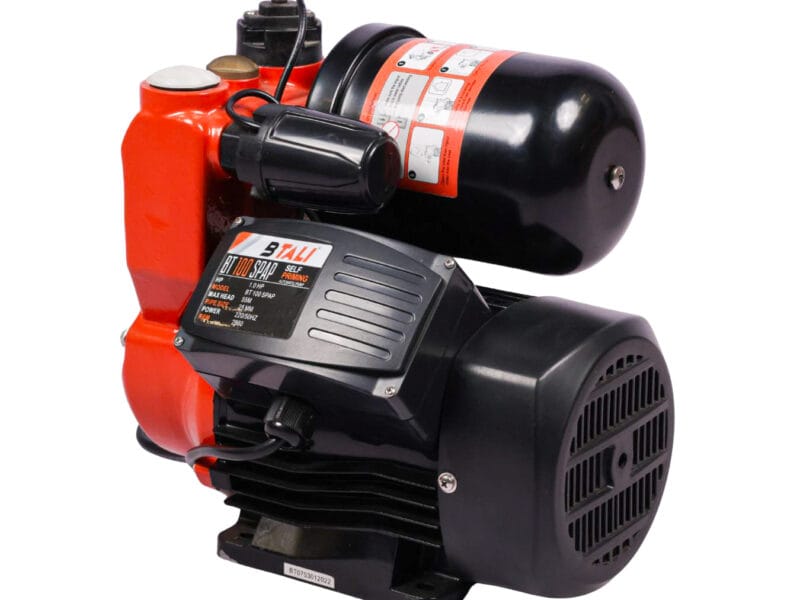
Step by step guide to setting up a self priming pump for agricultural irrigation
Step by step guide to setting up a self priming pump for agricultural irrigation
Btali International provides the definitive, professional guide for farmers and technicians on how to correctly set up a self priming pump for agricultural irrigation to ensure consistent water flow. A self priming pump for agriculture is a specialized device capable of evacuating air from the suction line, allowing it to lift water from a source without constant manual intervention. According to industry standards for irrigation efficiency, properly installed centrifugal self priming pumps can increase water delivery reliability by up to 40% in variable terrain. This guide is essential for anyone managing small to large-scale farms in India who requires a dependable self priming irrigation pump for crop hydration.
Key Takeaways
- Automatic Priming: A self priming water pump can clear air from its suction line, reducing the need for manual priming.
- HP Selection: Choosing between a 1 hp self priming pump and a 5 hp self priming pump depends strictly on your suction lift and required flow rate.
- Essential Components: A high-quality foot valve is critical for maintaining prime in a suction lift irrigation pump setup.
- Indian Standards: Always ensure your pump meets BIS or IS certification for safety and energy efficiency in the Indian agricultural sector.
A self priming pump for agriculture refers to a mechanical device designed to handle air-water mixtures in the suction line, making it ideal for irrigation where the water source might be at a lower level than the pump itself. If you are looking for a reliable agricultural water pump installation, understanding the mechanics of the self prime motor is the first step. This is why many Indian farmers are transitioning from traditional methods to using an automatic water pump or a self priming monoblock pump to save time and labor.
What are the different self priming pump types?
Before starting your installation, it is vital to understand the variety of options available in the market. Beyond that, knowing which specific type suits your field is key to long-term success. The most common variety is the centrifugal self priming pump, which uses centrifugal force to move water efficiently. For heavy-duty tasks involving muddy water, a self priming mud pump or a self priming sludge pump is recommended.
For domestic or small-scale garden use, a self priming monoblock pump 1 hp or a 0.5 hp self priming pump is often sufficient. If you are dealing with wastewater or drainage, a self priming dewatering pump or a self priming sewage pump might be necessary. In specialized industrial settings, you might encounter a self priming diaphragm pump or even a self priming magnetic drive pump for chemical handling. Btali International offers a range of high-performance solutions tailored to these diverse needs, ensuring that whether you need a 1.5 hp self priming pump or a 3 hp self priming pump, you receive equipment built to last.
How to install a self priming pump with foot valve?
The most common question we receive is: how to install self priming pump with foot valve? Following a structured approach ensures your agricultural water pump installation is successful and prevents air leaks that could cause the pump to lose prime. What this means in practice is following these specific steps:
Step 1: Site Selection and Foundation
Place your self priming centrifugal water pump on a flat, stable, and dry surface. In the Indian context, ensuring the pump is protected from direct monsoon flooding is crucial. A stable base prevents vibration which can damage the self prime motor.
Step 2: Preparing the Suction Line
Connect a high-quality self priming hose to the suction inlet. It is vital that this connection is airtight. Even a tiny pinhole can allow air to enter, making your self priming well pump ineffective. Ensure the hose diameter matches the pump inlet specifications.
Step 3: Installing the Foot Valve
At the end of the suction hose, attach a high-quality foot valve. This acts as a one-way valve that prevents water from flowing back into the source when the pump is off. This is the most critical component of a suction lift irrigation pump setup.
Step 4: The Priming Process
Even though it is a self priming pump, the initial setup requires manual priming. Open the priming plug on top of the pump casing and fill it with water until it overflows. This removes the air from the impeller chamber. For a self priming monoblock pump 1hp, this is a quick process.
Step 5: Connecting the Discharge Line
Attach your irrigation pipes to the discharge outlet. If you are using a water pressure pump for home water tank or agricultural tanks, ensure the pipes are rated for the pressure produced by your 5 hp self priming pump.
Step 6: Electrical Connection and Testing
Connect the pump to a stable 240v power source (or a self priming water pump 240v compatible outlet). For larger setups, ensure the wiring can handle the amperage of a 2 hp self priming pump or higher. Turn on the power and observe the flow.
Why is the HP rating important for your irrigation pump?
Selecting the correct horsepower (HP) is the difference between a thriving crop and a failed irrigation cycle. If you choose a pump that is too small, such as a 1 hp self priming water pump for a very large field, you will struggle with insufficient pressure and low flow rates. Conversely, an oversized 5 hp self priming pump for a tiny garden is a waste of electricity and money.
In India, the demand for 1 hp self priming pump and 1.5 hp self priming pump models is exceptionally high due to their balance of power and energy efficiency. When purchasing, consider the vertical lift required. A high suction self priming water pump is necessary if your water source is deep. For those using specialized tanks, you may also need to consider a pressure tank for water pump or a bladder tank to maintain steady pressure throughout the irrigation lines.
Real-World Use Case: Boosting Yield in Punjab
Btali International recently worked with a medium-scale wheat farmer in Punjab, India, who was struggling with inconsistent water supply from a shallow well. His old, non-priming system required manual priming every single morning, leading to significant labor delays. We recommended the installation of a centrifugal self priming pump with a 2 hp self priming pump motor capacity. By implementing a proper self priming irrigation pump setup with a high-quality foot valve, the farmer was able to automate his morning irrigation cycle. Within one season, his water usage efficiency improved by 25%, and his crop yield saw a measurable increase due to consistent hydration. This demonstrates that the right self priming water pump is not just a tool, but an investment in agricultural productivity.
Maintenance and Troubleshooting Tips
To ensure your self priming pump for water lasts for years, regular maintenance is required. Check the seals regularly to prevent leaks. If you notice the pump is running but not moving water, you likely have an air leak in the suction line or a faulty foot valve. This is common in self priming jet pump systems. Additionally, ensure that the self priming centrifugal pump is not running dry, as this can cause catastrophic damage to the internal impellers. If you are using a self priming dirty water pump, ensure that debris is not clogging the intake.
Frequently Asked Questions
How do I know if my pump is a self priming pump?
A self priming pump is designed to automatically evacuate air from the suction line. If your pump requires you to manually fill the suction pipe with water every single time you turn it on, it is likely a standard non-priming pump rather than a self priming water pump.
What is the best way to prevent a pump from losing prime?
The best way is to ensure a perfectly airtight suction line and to use a high-quality foot valve. Any air leak in the suction lift irrigation pump connection will prevent the pump from maintaining the necessary vacuum to lift water.
Can I use a 1 hp self priming pump for a large farm?
A 1 hp self priming pump is generally suited for small plots, home gardens, or low-flow requirements. For large-scale agricultural irrigation in India, a 3 hp self priming pump or a 5 hp self priming pump is typically more appropriate to ensure adequate pressure and volume.
What is the difference between a monoblock and a centrifugal pump?
A self priming monoblock pump integrates the motor and the pump into a single unit, making it compact and easy to install. A standard centrifugal self priming pump may have the motor and pump as separate components connected by a shaft, often used in larger industrial applications.
Why is the foot valve so important in irrigation?
The foot valve acts as a check valve. It allows water to enter the suction pipe but prevents it from flowing back into the well or pond when the pump stops. This keeps the pump casing full of water, which is essential for a self priming pump to work immediately upon startup.
Which pump is best for muddy water?
If you are dealing with silt or debris, you should look for a self priming mud pump or a self priming trash pump. These are specifically engineered with wider tolerances to handle solids without clogging or damaging the impeller.
Explore Btali International Product Categories
Accessories • Agricultural Power Spray • Air Compressor • Airless Sprayer • Foam Tank • High Pressure Washer • Power Tools • Pressure Tank • Submersible Pumps • Vacuum Cleaner • Water Pump • Self Priming Automatic Pump