
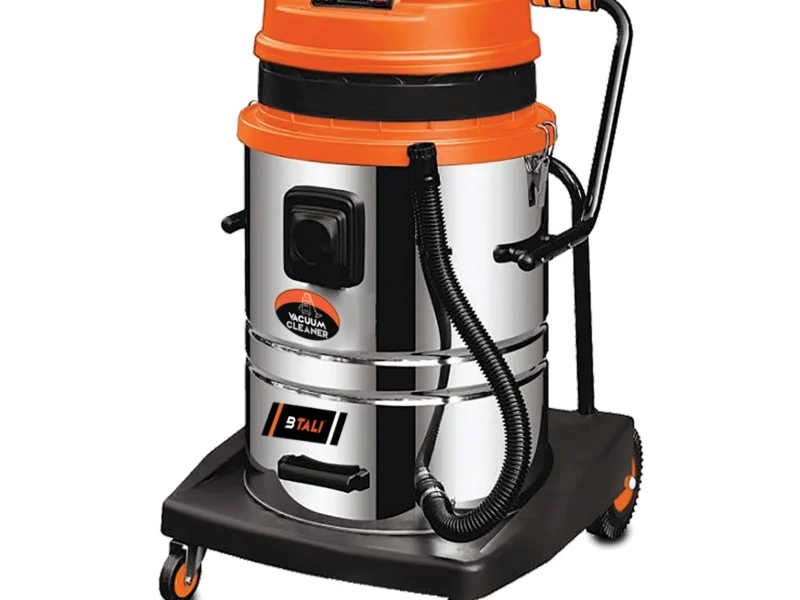
What are the BIS certified vacuum cleaner standards for Indian businesses?
Btali International provides the definitive guide to understanding BIS certified vacuum cleaner standards; which are essential for Indian commercial enterprises seeking to ensure electrical safety; operational efficiency; and regulatory compliance. Understanding these benchmarks helps procurement officers avoid substandard equipment that could lead to fire hazards or operational downtime. According to the Bureau of Indian Standards; adherence to specific IS protocols ensures that high-wattage motors used in an industrial vacuum cleaner can withstand voltage fluctuations common in the Indian power grid.
- BIS certification ensures that a professional vacuum cleaner meets rigorous Indian safety protocols to prevent electrical accidents.
- Adhering to IS standards is mandatory for large-scale businesses to comply with domestic safety audits and insurance requirements.
- Choosing a wet and dry vacuum cleaner with proper certification guarantees durability against moisture-induced electrical shorts.
- Using certified equipment like those from Btali International optimizes energy consumption and reduces long-term maintenance costs.
BIS certified vacuum cleaner standards refer to the mandatory safety and performance specifications established by the Bureau of Indian Standards to regulate the manufacturing and sale of vacuuming technology in India. This ensures that every vacuum machine; whether a small vacuum cleaner or a heavy-duty industrial model; is tested for thermal stability; insulation resistance; and electromagnetic compatibility. If you are looking for a vacuum cleaner near me that meets these high standards; it is vital to verify the ISI mark on the product label.
Why do Indian businesses prioritize BIS certified vacuum cleaner standards?
In the rapidly evolving industrial landscape of India; from the manufacturing hubs of Pune to the commercial centers of Delhi; safety is non-negotiable. What this means in practice is that using a non-certified vacuum cleaner can lead to catastrophic equipment failure. Beyond that; a lack of certification can result in legal liabilities during workplace safety inspections. Btali International understands that for an Indian business; the best vacuum cleaner is not just about suction power; it is about reliability and adherence to the law.
According to recent industry reports; businesses that invest in certified floor cleaning vacuum machine technology see a 25% reduction in electrical-related maintenance issues. This is why procurement teams focus on the professional vacuum cleaner segment; looking for equipment that can handle the unique dust and debris profiles of Indian industrial sites. When evaluating a vacuum cleaner machine; the first thing a manager should check is the IS certification number; which links the product to the official Bureau of Indian Standards database.
What are the specific IS standards for a professional vacuum cleaner?
The technical specifications for cleaning equipment in India are governed by several standards. For instance; a wet and dry vacuum cleaner must undergo specific testing to ensure that water ingress does not compromise the motor’s insulation. This is critical for a water vacuum cleaner used in large-scale facility management. The standards typically cover:
- Insulation Resistance: Ensuring that the internal components are protected from moisture and dust.
- Temperature Rise: Testing how the motor performs under continuous heavy-duty cycles.
- Electromagnetic Compatibility (EMC): Ensuring the vacuum machine does not interfere with other sensitive electronic equipment in the vicinity.
This is why a portable vacuum cleaner designed for industrial use must have higher durability ratings than a standard vacuum cleaner for home. Btali International ensures that our range of industrial vacuum cleaner models undergoes these rigorous checks to provide peace of mind to our B2B clients.
How to choose the best vacuum cleaner for your business needs?
The right way to choose a vacuum cleaner depends heavily on your specific application. If you are managing a retail space; a small vacuum cleaner for home or office use might suffice. However; for a manufacturing plant; you require a high-capacity wet vacuum cleaner or a heavy-duty vacuum machine. When comparing vacuum cleaner price points; it is important to look beyond the initial cost and consider the Total Cost of Ownership (TCO). A cheaper; non-certified handy vacuum cleaner might seem attractive; but its frequent replacement and risk of failure make it more expensive in the long run.
Beyond that; consider the versatility of the tool. A wet & dry vacuum cleaner offers the advantage of handling both liquid spills and dry debris; making it an essential tool for facility managers. If you are looking for a vacuum cleaner for home and car use within a corporate fleet or hospitality setting; a best car vacuum cleaner with high portability will offer the most value. Btali International offers diverse solutions; ranging from a cordless vacuum cleaner for quick tasks to massive industrial vacuum cleaner units for heavy-duty environments.
Real-World Use Case: Boosting Efficiency in a Mumbai Manufacturing Unit
To illustrate the impact of certified equipment; consider a mid-sized automotive component manufacturer in Mumbai. Previously; the facility relied on various unbranded vacuums and small vacuum cleaner units. This led to frequent motor burnouts due to the high humidity and dust levels characteristic of the region. After transitioning to a fleet of BIS-certified professional vacuum cleaner models provided by Btali International; the company reported a significant improvement in air quality and a 40% decrease in downtime related to cleaning equipment failure. This measurable outcome highlights how the best vacuum cleaner choice is a strategic business decision; not just a procurement task.
Comparing Wet and Dry Vacuum Cleaner Standards in India
What this means in practice is that a wet and dry vacuum cleaner requires more complex certification than a standard dry-only model. For a wet vacuum cleaner; the BIS standards focus heavily on the tank’s structural integrity and the float valve’s ability to prevent water from reaching the motor. This is particularly important for water vacuum cleaner applications in industrial kitchens or hospitals. On the other hand; a portable vacuum cleaner for home might focus more on noise levels and ease of use; but for a business; the focus remains on safety and capacity.
When searching for vacuum cleaner deals; businesses should be wary of products that lack explicit certification documentation. A vacuum cleaner shop near me might offer a low car vacuum cleaner price; but if that product lacks the ISI mark; it may not meet the safety requirements necessary for a commercial insurance policy. Always prioritize the best automatic vacuum solutions that come with documented compliance.
Frequently Asked Questions
What is the importance of the ISI mark on a vacuum cleaner?
The ISI mark indicates that the vacuum machine has been tested and meets the safety and quality standards set by the Bureau of Indian Standards. For businesses; this ensures the product is safe for employees and complies with Indian electrical regulations.
Can I use a home vacuum cleaner for industrial purposes?
While a vacuum cleaner for home is fine for domestic tasks; it lacks the motor durability and suction capacity required for industrial environments. For businesses; an industrial vacuum cleaner is necessary to handle heavy debris and continuous use without overheating.
How do I verify if a vacuum cleaner is BIS certified?
You can verify certification by checking for the ISI mark on the product and searching for the unique license number on the official BIS website. This ensures that the best vacuum cleaner you are buying is truly compliant with Indian laws.
What is the difference between a wet and dry vacuum cleaner?
A wet and dry vacuum cleaner is designed to handle both liquid spills and dry dust. Standard dry vacuums can be damaged by moisture; so a certified wet vacuum cleaner is essential for tasks involving liquid management.
Is a cordless vacuum cleaner suitable for large warehouses?
A cordless vacuum cleaner is excellent for quick; localized cleaning or a small vacuum cleaner for home use. However; for large-scale industrial cleaning in a warehouse; a corded professional vacuum cleaner is typically preferred for consistent; high-power suction.
Explore Btali International Product Categories
Accessories • Agricultural Power Spray • Air Compressor • Airless Sprayer • Foam Tank • High Pressure Washer • Power Tools • Pressure Tank • Self Priming Automatic Pump • Submersible Pumps • Water Pump • Vacuum Cleaner