What is a wet dry vacuum cleaner and how can it be used for industrial spills?
Btali International provides high-performance wet and dry vacuum cleaner solutions designed to manage diverse cleaning challenges in industrial and commercial settings. A wet dry vacuum cleaner is a specialized cleaning machine capable of extracting both liquid spills and dry particulate matter, making it indispensable for safety and hygiene. According to industry safety standards, rapid liquid removal reduces slip-and-fall risks by up to 60%. This tool is essential for manufacturing plants, food processing units, and construction sites throughout India.
Key Takeaways
- Versatility: A wet dry vacuum cleaner can switch between liquid extraction and dry dust suction effortlessly.
- Safety: Using an industrial wet vac for spills prevents workplace accidents and contamination.
- Efficiency: High-capacity models, such as an 80l vacuum cleaner, significantly reduce cleanup time in large facilities.
- Compliance: Choosing BIS certified or FSSAI compliant cleaning equipment ensures regulatory adherence in India.
- Filtration: HEPA filter vacuum technology is vital for capturing microscopic allergens and fine dust.
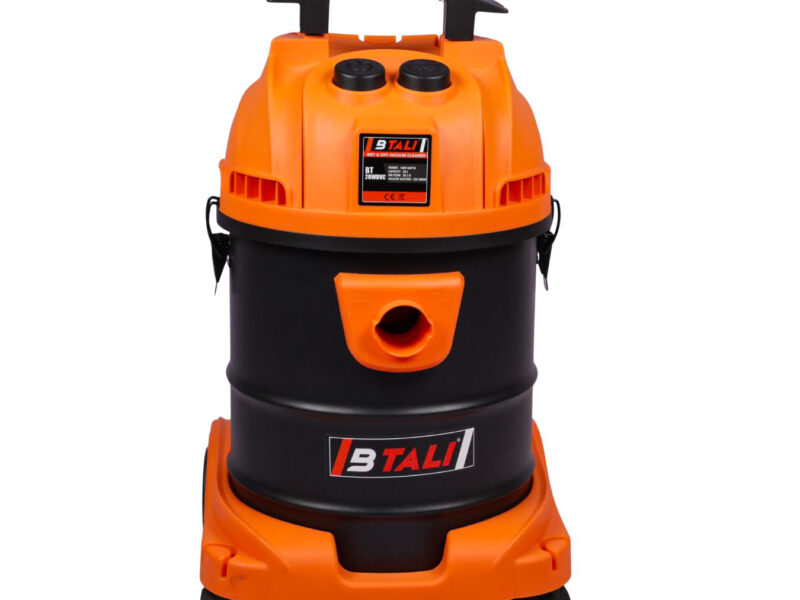
A wet dry vacuum cleaner refers to a high-suction vacuum machine engineered with a dual-mode system that allows for the simultaneous or alternating handling of liquids and solids. Unlike a standard vacuum cleaner for home use, which is typically designed only for dry debris, the wet dry cleaner vacuum features specialized float valves and moisture-resistant motors to prevent electrical failure during liquid extraction. This makes it a professional vacuum cleaner capable of tackling everything from fine sawdust to large-scale oil spills in industrial environments.
What is a wet dry vacuum cleaner and how does it function?
Understanding the mechanics of a vacuum wet dry cleaner is the first step in optimizing your facility’s maintenance. At its core, the device uses a powerful motor to create a pressure differential, drawing air and debris through a hose into a collection tank. When operating as a dry vacuum cleaner, the air passes through a filter (often a HEPA filter vacuum) to trap dust. When transitioning to a wet vacuum cleaner mode, the filter is often bypassed or replaced by a foam sleeve to prevent it from becoming clogged by moisture. Btali International ensures that our heavy duty wet dry vac models are built with these advanced bypass systems to ensure longevity.
In practice, the vacuum machine must be able to handle various viscosities. Whether you are using a small vacuum cleaner for minor office spills or a heavy duty industrial vacuum cleaner for large-scale factory cleaning, the suction power, measured in kPa or water lift, determines the effectiveness of the liquid spill extraction vacuum. Beyond that, the material of the tank—often a stainless steel vacuum cleaner build—is critical for resisting corrosion from chemical spills.
How can it be used for industrial spills?
Industrial spills, ranging from water and oils to hazardous chemicals, pose significant threats to operational continuity and worker safety. The right way to choose a wet and dry cleaner depends on the nature of the spill. For example, how to clean oil spill with wet vacuum requires a machine with high oil-resistance and a robust industrial suction machine motor. Btali International’s industrial wet vac units are specifically designed to handle such viscous fluids without damaging the internal components.
What this means in practice is a multi-step approach:
1. Containment: Use the portable wet dry vac to surround the spill area.
2. Extraction: Deploy the heavy duty wet vac to suction the liquid from the floor surface.
3. Residue Removal: Utilize the wet dry floor cleaner functionality to remove any remaining slippery film.
For concrete environments, an industrial vacuum for concrete floors is recommended to extract slurry and fine dust that can compromise structural integrity or slip resistance.
Why is a heavy duty industrial vacuum cleaner essential for manufacturing?
In the manufacturing sector, especially in India, the demand for reliable commercial vacuum cleaner technology is rising due to stricter environmental and safety norms. Using a commercial shop vac or a heavy duty shop vac might suffice for small tasks, but large-scale manufacturing requires an industrial vacuum cleaner India-ready solution like those provided by Btali International. These machines are built to withstand the rigors of 24/7 operation.
For instance, in a food processing plant, maintaining food safety cleaning standards is non-negotiable. A best vacuum cleaner for food plants must be FSSAI compliant cleaning ready, ensuring that no cross-contamination occurs during the cleanup of organic spills. Furthermore, using a BIS certified vacuum ensures that the electrical components meet Indian safety standards, reducing the risk of fire or short circuits in damp environments. This is why many procurement teams in India prioritize Btali wet and dry vacuum cleaner models that carry these essential certifications.
How to choose the best industrial vacuum cleaner for your needs?
If you are looking for an industrial vacuum cleaner in India, you must consider several technical specifications. First, determine the required capacity. A 15 litre vacuum cleaner might work for a portable vacuum cleaner for home or small office, but for industrial use, you will likely need a vacuum cleaner 30 liter, a 30 ltr vacuum cleaner, or even a large 80l vacuum cleaner to minimize downtime caused by frequent tank emptying.
Second, evaluate the suction power and filtration. For environments with fine particulates, a HEPA filter vacuum is mandatory to meet air quality standards. Third, consider the mobility. A portable vacuum cleaner or a handheld wet vac is great for tight spaces, but a commercial canister vacuum or an industrial shop vac on heavy-duty casters is better for wide floor areas.
Thirdly, consider the environment. If you are working in a hazardous area with flammable vapors, you must invest in an explosion proof vacuum cleaner or an atex vacuum cleaner. Btali International offers specialized portable explosion proof vacuum cleaners to ensure safety in high-risk zones.
Which vacuum cleaner is best for different surfaces?
Different surfaces require different attachments and suction intensities. For example, the best wet vacuum cleaner for tile floors needs to manage water without leaving streaks. For carpeted commercial areas, a wet and dry carpet cleaner or the best wet and dry carpet cleaner is required to extract deep-seated moisture.
In construction, a construction vacuum cleaner must be able to handle heavy industrial vacuum cleaners for concrete dust. This often requires a stainless steel vacuum cleaner with a high-capacity tank to manage the sheer volume of debris. On the other hand, for vehicle maintenance, a best car vacuum cleaner or a portable wet dry vac for car is more appropriate, focusing on maneuverability and car vacuum cleaner dry and wet capabilities.
Real-World Use Case: Spill Recovery in a Large-Scale Food Plant
Consider a recent scenario involving a major food processing facility in Maharashtra, India. A large volume of liquid ingredient was spilled across a production floor. The facility utilized a Btali International 60l wet and dry vacuum. Within minutes, the industrial wet vac extracted the liquid, preventing a major slip hazard and ensuring that the cleanup was FSSAI compliant. The ability to transition from liquid spill extraction vacuum mode back to a dry vacuum cleaner mode allowed the staff to clear the remaining fine dust particles quickly, bringing the line back into production in record time. This demonstrates the ROI of investing in professional vacuum cleaner equipment versus cheaper, residential alternatives.
Frequently Asked Questions
What is the difference between a vacuum cleaner and a wet dry vacuum cleaner?
A standard vacuum cleaner for home is designed exclusively for dry dust and debris. In contrast, a wet dry vacuum cleaner features a specialized motor and tank design that allows it to safely suck up liquids without causing electrical damage or clogging filters.
Can a vacuum cleaner suck water?
Yes, but only if it is specifically labeled as a wet and dry vacuum cleaner or a water vacuum cleaner. Standard dry vacuums will be destroyed by moisture, however, a wet vac is engineered with a bypass system to handle liquid extraction safely.
How do I choose an industrial vacuum cleaner for a manufacturing plant?
The right way to choose an industrial vacuum cleaner is to evaluate your tank capacity (e.g., 30 litre vacuum cleaner vs 80l vacuum cleaner), suction power, filtration requirements like HEPA filter, and whether you need BIS certified or explosion proof vacuums for safety.
Is a cordless wet dry vacuum cleaner effective for industrial use?
While a cordless wet dry vac offers excellent maneuverability for light tasks or portable wet dry vac for car use, heavy-duty industrial operations generally require the consistent, high-power suction provided by corded industrial suction machine models to handle large spills efficiently.
Why should I use a HEPA filter vacuum in a food plant?
A HEPA filter vacuum is essential in food processing to capture microscopic particles and allergens. This ensures food safety cleaning protocols are met, helping facilities remain FSSAI compliant and maintaining a sterile production environment.
How often should I clean my wet dry cleaner vacuum?
Regular maintenance is key. You should empty the tank after every major spill, clean the filters after every dry use, and check the seals and hoses for wear to ensure your commercial wet vac maintains peak suction performance.
Explore Btali International Product Categories
Accessories • Agricultural Power Spray • Air Compressor • Airless Sprayer • Foam Tank • High Pressure Washer • Power Tools • Pressure Tank • Self Priming Automatic Pump • Submersible Pumps • Water Pump • Vacuum Cleaner