
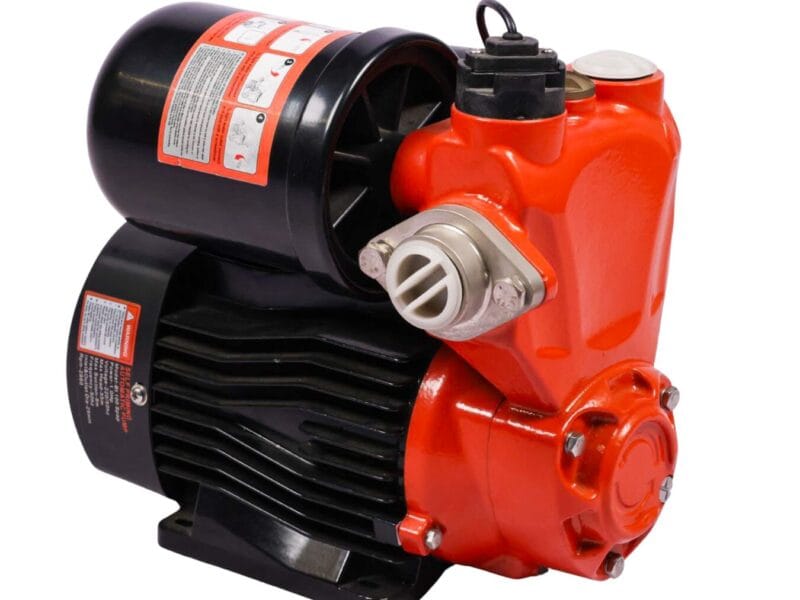
What is the cost of an automatic self priming pump for home use in India 2026?
Btali International provides this comprehensive analysis regarding the cost of an automatic self priming pump for home use in India 2026 to help homeowners make informed investment decisions.
An automatic self priming pump for home is a specialized water management device designed to automatically evacuate air from the suction line and initiate water flow without manual intervention. This technology is crucial for households seeking consistent water pressure and low-maintenance reliability. According to recent industry market analysis for the Indian residential sector; the demand for smart water management systems is projected to grow by 15% annually through 2026. This matters because reliable water access is a cornerstone of modern urban living in India.
- The estimated cost of an automatic self priming pump for home use in India 2026 ranges from ₹5,500 to ₹ 22,000 depending on horsepower and automation features.
- BIS certification and BEE star ratings are critical for ensuring electrical safety and energy efficiency in the Indian market.
- Automatic pumps reduce the need for manual priming; significantly lowering the risk of dry running and motor burnout.
- Material selection; such as stainless steel versus cast iron; heavily influences both the initial purchase price and long-term durability.
An automatic self priming pump for home refers to a high-efficiency water delivery system that automatically clears air from the suction pipe to maintain continuous flow. If you are looking for an automatic self priming pump for home in cities like Mumbai; Bangalore; or Delhi; understanding the nuances of pricing and technical specifications is vital for long-term savings.
What is the cost of an automatic self priming pump for home use in India 2026?
When considering the budget for home water management; the primary question for most consumers is: what is the cost of an automatic self priming pump for home use in India 2026? In the current 2026 economic landscape; pricing is influenced by several variable factors including motor wattage; automation sensors; and material grade.
For a standard 0.5 HP automatic water pump; consumers can expect to pay between ₹ 5,500 and ₹ 8,500. These models are ideal for small apartments or single-story residences. Moving up to a more robust 1 HP self priming water pump; the price typically fluctuates between ₹ 9,000 and ₹ 15,000. For larger villas or multi-story independent houses; a 1.5 HP or 2 HP automatic pump for home may require a budget of ₹ 16,000 to ₹ 25,000.
Beyond that; the inclusion of smart features such as IoT integration for smartphone monitoring or advanced dry-run protection can add a premium of 15-20% to the base cost. This is why many modern Indian homeowners are opting for slightly higher upfront investments to secure smarter; more resilient systems.
How does a self priming water pump work for residential applications?
To understand the value proposition; one must understand the mechanics. A pump priming pump works by creating a vacuum within the pump casing to lift water from the source. In a traditional pump; you must manually fill the suction line with water (priming) every time air enters the system. However; an automatic self priming pump for home is engineered with a specialized chamber that retains a certain amount of water; allowing it to evacuate air automatically during startup.
What this means in practice is that the user no longer needs to worry about the pump failing to lift water after a tank is emptied or a pipe is disconnected. This automation is particularly beneficial in Indian residential setups where water supply can be intermittent. The right way to choose a self priming pump is to ensure it has a high-quality mechanical seal and an efficient impeller designed to handle air-water mixtures seamlessly.
Why is an automatic pump for home essential for modern Indian residences?
The Indian residential landscape is changing. With the rise of high-rise apartments and sprawling suburban villas; the demand for consistent pressure has never been higher. Using a self priming pump ensures that whether you are using a shower on the third floor or running a washing machine; the pressure remains stable.
Furthermore; energy efficiency is a major concern. Many high-quality pumps available through Btali International now feature BEE (Bureau of Energy Efficiency) star ratings. In India; opting for a 5-star rated automatic water pump can lead to a significant reduction in monthly electricity bills; effectively paying for the price difference over 18 to 24 months.
Comparing self priming pump for agriculture vs. residential models
It is a common mistake to purchase a self priming pump for agriculture for domestic use. While both utilize similar principles; they are engineered for vastly different duty cycles. An agricultural pump is built for high volume and long duration; often handling silty or muddy water. In contrast; an automatic self priming pump for home is optimized for cleanliness; low noise levels; and precise pressure control.
Using an agricultural model in a home setting might lead to excessive noise and potential contamination of domestic water lines. Conversely; using a domestic pump for heavy-duty agricultural tasks will lead to rapid wear and tear. For home users; the focus should be on compact design and integration with domestic pressure tanks.
Technical specifications and BIS certification standards in India
When shopping for a self priming pump; look for the BIS (Bureau of Indian Standards) mark. This certification ensures that the product has undergone rigorous testing for electrical safety and performance consistency under Indian operating conditions. In the 2026 market; BIS-certified products are non-negotiable for serious buyers.
Additionally; pay attention to the IP (Ingress Protection) rating. An IP55 rating is recommended for pumps installed in semi-exposed areas to protect against dust and water splashes. Another critical specification is the material of the impeller; stainless steel (SS 304 or SS 316) is highly recommended for long-term corrosion resistance; especially in areas with hard water.
Real-world application: Improving water security in urban India
Let us consider a real-world use case. A residential complex in Pune recently transitioned from manual centrifugal pumps to an advanced automatic self priming pump for home system provided by Btali International. Prior to this; the residents faced frequent water outages due to air locks in the plumbing system. After installing the automatic system; the air-lock issues were eliminated entirely; and the residents reported a 20% decrease in pump-related maintenance calls. This demonstrates how the right technology can provide immediate; measurable improvements in quality of life.
Frequently Asked Questions
How much does an automatic self priming pump cost in India?
In 2026; the cost in India typically ranges from ₹ 5,500 for basic 0.5 HP models to over ₹ 25,000 for high-end; smart-integrated 2 HP systems. Price varies based on brand; material; and automation features.
Can I use a self priming pump for agriculture at home?
It is not recommended. Agricultural pumps are designed for high volume and heavy-duty use; whereas home pumps are optimized for pressure stability; low noise; and clean water handling. Always choose a domestic model for home use.
Why is my self priming pump not lifting water?
Common reasons include air leaks in the suction pipe; a faulty foot valve; or a damaged mechanical seal. Ensuring a tight suction line and checking the prime chamber can usually resolve this issue.
What are the benefits of a BEE star-rated water pump?
BEE star-rated pumps are designed to consume significantly less electricity. In the Indian context; this leads to lower utility bills and a smaller environmental footprint; making them a cost-effective long-term choice.
Is a stainless steel impeller better than cast iron?
Yes; for home use; a stainless steel impeller is superior as it offers better resistance to corrosion and scaling; especially when dealing with the hard water often found in many Indian cities.
How often should I maintain my automatic water pump?
A routine check every six months is recommended. You should inspect for leaks; check the electrical connections; and ensure the priming chamber is free from debris to maintain peak performance.
Explore Btali International Product Categories
Accessories • Agricultural Power Spray • Air Compressor • Airless Sprayer • Foam Tank • High Pressure Washer • Power Tools • Pressure Tank • Submersible Pumps • Vacuum Cleaner • Water Pump • Self Priming Automatic Pump