
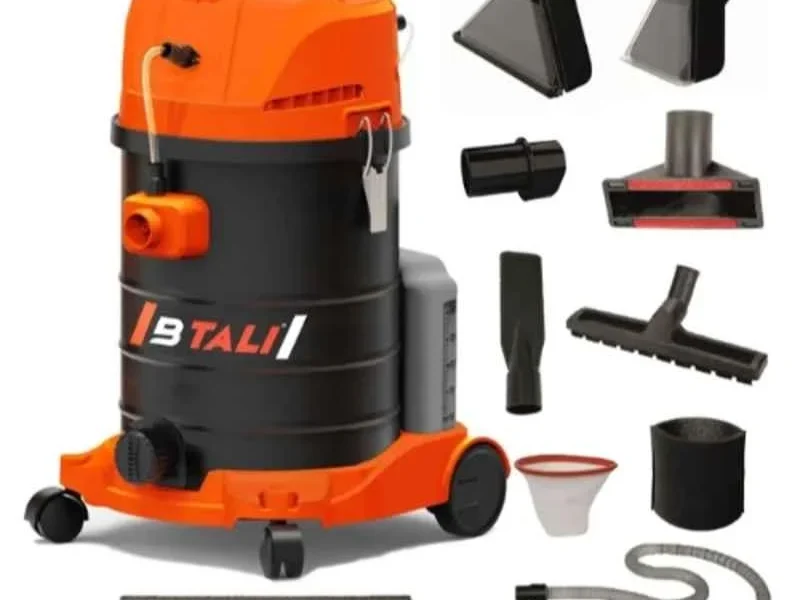
Why is my industrial vacuum cleaner losing suction power? 4 Troubleshooting steps
Btali International provides expert guidance on why an industrial vacuum cleaner might lose suction power; a critical issue for facility managers and cleaning professionals across India. Maintaining suction is essential to ensure efficient debris removal and prevent the accumulation of hazardous particulates in industrial environments. According to industry benchmarks from the Cleanliness and Hygiene standards; a 15% drop in suction can lead to a 30% increase in cleaning time and higher energy consumption. In India; where industrial dust density is often significantly higher due to environmental and manufacturing factors; proactive maintenance of a vacuum machine is non-negotiable for operational safety and efficiency. An industrial vacuum cleaner refers to a heavy-duty cleaning device designed to handle large volumes of debris; liquids; and hazardous dust in commercial and industrial settings. If you are looking for a professional vacuum cleaner in India or need to find a vacuum cleaner shop near me; understanding these troubleshooting steps will save you time and money.
Key Takeaways
- Filter Obstruction: Clogged HEPA or pleated filters are the most common cause of suction loss.
- Air Leakage: Damaged seals or loose gaskets in the vacuum machine allow air to bypass the suction path.
- Hose Blockages: Debris stuck in the hose or nozzle directly restricts the airflow of your floor cleaning vacuum machine.
- Motor Performance: Overheating or electrical issues in the motor can lead to a significant drop in vacuum pressure.
- Tank Capacity: For a wet and dry vacuum cleaner; an overfilled tank can obstruct the airflow.
Why is my industrial vacuum cleaner losing suction power?
What this means in practice is that suction power is not just about the motor’s strength; it is about the entire airflow circuit. When we talk about an industrial vacuum cleaner; we are referring to a machine that operates under specific pressure differentials. If any part of the circuit from the nozzle to the motor is compromised; the vacuum pressure (measured in kPa) drops. This is why many users feel that their professional vacuum cleaner is no longer effective even if the motor sounds like it is running correctly.
Beyond that; the environment in which the machine is used plays a massive role. In many Indian industrial hubs; the air contains fine particulate matter that can clog a vacuum cleaner machine faster than in a standard residential setting. While a small vacuum cleaner for home might handle light dust; an industrial unit must manage much higher volumes. If you notice a decline in performance; it is often a symptom of a systemic failure in the machine’s ability to maintain a vacuum seal or clear its filtration path.
How to troubleshoot a wet and dry vacuum cleaner effectively?
If you are wondering how to restore your machine’s performance; follow these four essential troubleshooting steps. These steps apply whether you are using a large-scale floor cleaning vacuum machine or a more portable vacuum cleaner for localized tasks.
1. Inspect and Clean the Filtration System
The most frequent culprit in suction loss is a saturated filter. In a wet & dry vacuum cleaner; the filter must be able to handle both fine dust and liquid moisture. Over time; particles become embedded in the filter media; creating a barrier that the motor cannot pull air through. This is especially true for machines using HEPA filters to meet ISO cleanliness standards.
What the right way to choose a filter is to ensure it is compatible with your specific vacuum machine model. For those using a wet vacuum cleaner; ensure the float valve is functioning; if the float valve fails; liquid can reach the filter; instantly clogging it. Always check if your filter meets BIS (Bureau of Indian Standards) requirements for industrial filtration to ensure durability in the Indian climate.
2. Check for Hose and Nozzle Obstructions
Sometimes; the issue isn’t the machine itself but the delivery system. A portable vacuum cleaner for home or a large industrial unit can both suffer from a lodged object in the hose. Even a small piece of debris can create enough friction to significantly reduce the airflow.
To troubleshoot; disconnect the hose from the main body of the vacuum cleaner machine and check for any visible blockages. You can use a light or a probe to ensure the path is clear. If you are using a car vacuum cleaner or a handy vacuum cleaner; check the small attachments as well. Often; the narrow nozzle of a best car vacuum cleaner is the first place a clog occurs.
3. Examine Seals; Gaskets; and Connections
A vacuum cleaner works by creating a pressure difference. If air is leaking into the system from a crack in the hose or a worn-out gasket; the suction at the nozzle will diminish. This is a common issue with older automatic vacuum cleaner models where rubber components have perished due to heat or chemical exposure.
Inspect the connection points where the hose meets the machine. If you are using a wet and dry vacuum cleaner; the seals around the tank lid must be airtight. Even a tiny gap can ruin the performance of an expensive professional vacuum cleaner. Replacing worn gaskets is a cost-effective way to get your machine back to its peak best vacuum cleaner performance levels.
4. Evaluate Motor and Electrical Health
If the filters are clean; the hoses are clear; and the seals are tight; the problem likely lies within the motor. An industrial vacuum cleaner motor is a precision component. Overheating due to continuous use without breaks can trigger thermal protection switches; reducing power.
In some cases; the motor may be suffering from worn carbon brushes or electrical issues. This is more common in budget-friendly vacuum cleaner deals where the motor quality might not match the heavy-duty requirements of an industrial site. For high-end automatic vacuum systems; ensure the power supply is stable and meets the machine’s rated voltage to prevent motor strain.
What is the best way to maintain a floor cleaning vacuum machine in India?
In the Indian context; maintenance must be more frequent due to high dust loads and humidity. For example; a large manufacturing facility in Maharashtra recently reported a 25% increase in machine lifespan simply by implementing a weekly deep-cleaning schedule for their floor cleaning vacuum machine. This proactive approach ensures that the water vacuum cleaner components and the dry filtration systems are always in optimal condition.
When purchasing; always look for machines that offer vacuum cleaner deals that include extended warranties or local service support. Whether you are searching for a vacuum cleaner near me or looking for the best vacuum cleaner for home; ensure the manufacturer complies with Indian safety standards. This is especially important for wet vacuum cleaner applications where electrical safety is paramount.
Real-World Use Case: Industrial Efficiency in Pune
Btali International recently consulted for a logistics warehouse in Pune; India; that was struggling with frequent downtime due to suction loss in their industrial vacuum cleaner fleet. By conducting a thorough audit; our experts discovered that the staff were using small vacuum cleaner for home techniques on heavy-duty machines; leading to clogged filters and burnt-out motors. After transitioning them to a strict maintenance protocol and upgrading to high-quality; BIS-certified filters; the warehouse saw a 40% reduction in maintenance costs and a significant improvement in floor cleanliness. This proves that the right equipment and the right maintenance are the keys to industrial success.
Frequently Asked Questions
How can I increase the suction power of my vacuum cleaner?
To increase suction; first clean or replace your filters; check the hose for blockages; and ensure all seals and gaskets are airtight. Regular maintenance of your vacuum machine prevents the gradual loss of airflow that occurs with heavy use.
What is the best vacuum cleaner for wet and dry cleaning?
The best choice is a dedicated wet and dry vacuum cleaner that features a robust filtration system and a float valve to prevent liquid from entering the motor. Btali International recommends models designed specifically for industrial wet vacuum cleaner applications.
Why is my portable vacuum cleaner not picking up dirt?
A portable vacuum cleaner might fail to pick up dirt due to a clogged nozzle; a full dust container; or a dirty filter. Always ensure the small vacuum cleaner attachments are clear of debris and the battery (if cordless) is fully charged.
How often should I clean my industrial vacuum cleaner filters?
In industrial settings; filters should be inspected daily and cleaned weekly. In highly dusty environments in India; more frequent cleaning is necessary to maintain the performance of your professional vacuum cleaner and prevent motor damage.
Can I use a home vacuum cleaner for industrial cleaning?
No; a vacuum cleaner for home is not designed for the heavy-duty debris or the large volumes found in industrial sites. Using a small vacuum cleaner for industrial tasks can lead to motor failure and void your warranty.
After addressing these troubleshooting steps; you might wonder: What are the signs of a dying vacuum motor? or How can I choose the right vacuum cleaner for my specific business needs? Ensuring you have the right equipment from the start is the best way to avoid these issues altogether.
Explore Btali International Product Categories
Accessories • Agricultural Power Spray • Air Compressor • Airless Sprayer • Foam Tank • High Pressure Washer • Power Tools • Pressure Tank • Self Priming Automatic Pump • Submersible Pumps • Water Pump • Vacuum Cleaner