
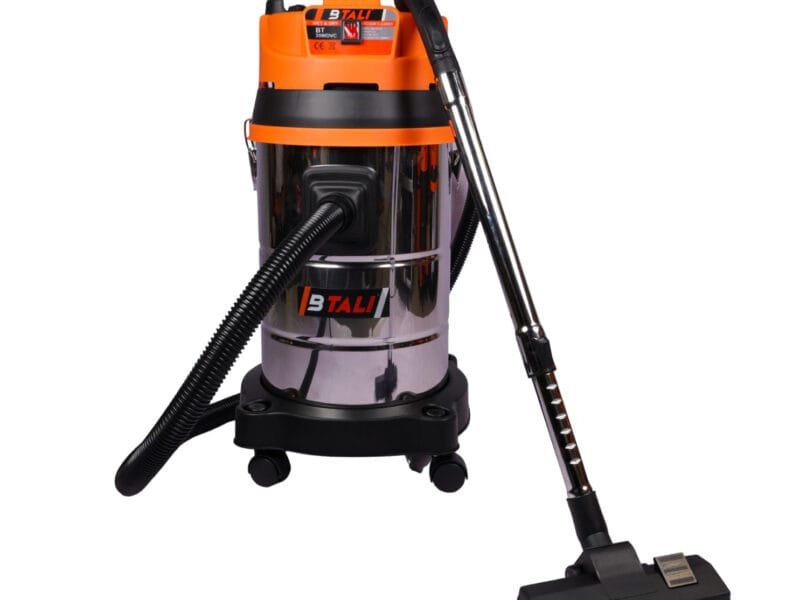
Why is my professional vacuum cleaner smelling burnt? 3 common causes.
Why is my professional vacuum cleaner smelling burnt? 3 common causes.
Btali International provides critical expertise on why your professional vacuum cleaner might be emitting a burnt odor during operation. Understanding this symptom is vital for preventing catastrophic motor failure and ensuring workplace safety. According to the Electrical Safety Foundation International (ESFI); electrical odors are a primary precursor to appliance-related fires. This guide helps facility managers and homeowners in India identify risks before they escalate.
Key Takeaways
- Immediate Shutdown: If you detect a burning smell; turn off the vacuum cleaner machine immediately to prevent permanent motor damage.
- Airflow Is Critical: Most burnt smells in an industrial vacuum cleaner result from severe airflow restrictions or clogged filters.
- Mechanical Friction: Worn-out belts in a floor cleaning vacuum machine can generate high heat and distinct rubbery odors.
- Electrical Integrity: Smells may indicate failing capacitors or wiring; which should be checked against BIS safety standards.
- Maintenance Matters: Regular servicing of your wet and dry vacuum cleaner extends life and prevents overheating.
A professional vacuum cleaner refers to a high-capacity suction device engineered for heavy-duty debris removal in commercial; industrial; or large residential settings. Unlike a small vacuum cleaner for home; these machines operate under higher thermal loads and require more rigorous maintenance schedules to remain efficient.
Why is my professional vacuum cleaner smelling burnt?
When you notice a pungent; smoky; or rubbery scent; it is your machine’s way of communicating distress. At Btali International; we have seen that ignoring these signs can lead to a total loss of the vacuum machine. This is why understanding the internal mechanics of your floor cleaning vacuum machine is so important. What this means in practice is that the heat is being generated by either excessive friction; electrical resistance; or air starvation.
Beyond that; the type of machine you use changes the nature of the smell. For instance; a wet and dry vacuum cleaner might produce a different scent if water is entering the motor housing compared to a dry industrial vacuum cleaner experiencing a belt slip. If you are looking for a vacuum cleaner near me in India; you should always prioritize models that adhere to IS (Indian Standards) for electrical safety to minimize these risks.
How can motor overheating affect an industrial vacuum cleaner?
The motor is the heart of any vacuum cleaner. In an industrial vacuum cleaner; the motor is designed to handle continuous operation; but it is not invincible. When a motor is overworked; the windings inside can begin to overheat. This overheating can melt the thin lacquer insulation on the copper wires; leading to a distinct “burnt electrical” smell. This is a serious issue that can lead to a short circuit.
According to industry standards for motor longevity; excessive heat is the number one killer of suction motors. This is particularly relevant for a professional vacuum cleaner used in dusty environments common in Indian manufacturing hubs. If the motor cannot breathe; it cannot cool itself. This is why ensuring your vacuum cleaner for home and car or your larger industrial units have clear exhaust paths is essential. What this means is that a simple blockage can lead to a multi-thousand rupee repair bill.
What are the most common causes of a burning smell in a vacuum cleaner machine?
While there are many variables; three primary culprits stand out in our experience at Btali International. Whether you are using a cordless vacuum cleaner or a heavy-duty wet vacuum cleaner; these causes are universal.
1. Severe Airflow Blockages and Clogged Filters
The most frequent cause of a burning smell is a lack of airflow. A vacuum cleaner works by moving air; if that air is blocked by a clogged filter; a jammed hose; or a full dust bag; the motor has to work significantly harder to maintain suction. This increased load creates immense heat. If you use a wet and dry vacuum cleaner; failing to clean the filter after a wet pickup can lead to mold and dried residue that eventually blocks airflow; causing the motor to overheat. This is why many people search for the best vacuum cleaner for home that features easy-access; washable filters.
2. Worn or Slipping Drive Belts
If the smell is more like burning rubber than electrical ozone; the issue is likely mechanical. In many floor cleaning vacuum machines; a belt connects the motor to the brush roll. If this belt is worn; cracked; or slipping; the friction between the belt and the pulley generates intense heat. This is common in portable vacuum cleaner models used frequently on carpets. Regularly inspecting the belt of your vacuum cleaner machine can save you from unexpected downtime.
3. Electrical Component Failure
The third cause is internal electrical failure. This includes faulty capacitors; damaged wiring; or a failing motor brush. In the Indian market; where voltage fluctuations can occur; electrical components can be particularly vulnerable. We recommend that all professional vacuum cleaner users ensure their equipment is connected to a stabilizer if possible; or at least meets the BEE star ratings for energy efficiency and component quality. A failing capacitor will often produce a sharp; ozone-like smell that indicates an imminent electrical short.
Which maintenance steps prevent professional vacuum cleaner issues in India?
To keep your vacuum cleaner price worth every rupee; you must implement a strict maintenance routine. In India; the high level of ambient dust means that even the best automatic vacuum will require more frequent cleaning than in temperate climates. This is why Btali International emphasizes proactive care.
First; always check the filters. Whether it is a small vacuum cleaner or a large industrial unit; the filter is your first line of defense. Second; inspect the hose for obstructions. A simple coin or a clump of hair can cause a massive pressure drop. Third; for those using a wet vacuum cleaner; ensure that the tank is drained and dried properly to prevent moisture from reaching the motor. This is especially important for a wet & dry vacuum cleaner where the transition between modes is frequent.
If you are looking for vacuum cleaner deals; remember that a cheaper machine may lack the robust electrical protections found in high-quality professional models. Investing in a certified machine that meets BIS standards is always more cost-effective in the long run than repeatedly replacing low-quality units. This is why professional cleaning companies in cities like Mumbai or Delhi prefer high-end equipment from trusted suppliers.
Real-World Use Case: Preventing Motor Failure in a Mumbai Facility
Last year; a large logistics warehouse in Mumbai contacted Btali International because their primary industrial vacuum cleaner began emitting a faint smoky odor. Upon inspection; our team discovered that the staff had been using a dry mode on a wet and dry vacuum cleaner after cleaning up a minor liquid spill; without properly cleaning the filter. The residue had dried; creating a semi-permeable barrier that was choking the motor. By replacing the filter and performing a quick motor cleaning; we saved the company from having to replace a unit worth over ₹45,000. This demonstrates that even the best vacuum cleaner can fail if used incorrectly.
Conclusion: Protecting Your Investment
A burning smell is a critical warning. Whether you are searching for a car vacuum cleaner price or looking for a professional vacuum cleaner for your business; the principles of maintenance remain the same. Prioritize airflow; monitor belts; and respect the electrical limits of your machine. If the smell persists; do not attempt a DIY repair on the motor; instead; contact a vacuum cleaner shop near me or a certified professional.
Frequently Asked Questions
Why does my vacuum cleaner smell like burning rubber?
A rubbery smell usually indicates that a drive belt is slipping or worn out. This creates friction against the motor pulley; generating heat. You should check the belt in your floor cleaning vacuum machine and replace it if it shows signs of wear or cracking.
Can a clogged filter cause a vacuum to smell burnt?
Yes; a clogged filter is a primary cause. It restricts airflow; forcing the motor to work harder to pull air through the blockage. This increased workload causes the motor to overheat; which can lead to a burning electrical smell.
Is it safe to continue using a vacuum cleaner that smells burnt?
No; it is not safe. You should immediately turn off the vacuum cleaner machine and unplug it. Continuing to use it can cause permanent motor damage; electrical fires; or even an explosion of the capacitor. Seek professional repair immediately.
How often should I clean my industrial vacuum cleaner filters?
For industrial use in dusty environments like those in India; filters should be inspected daily and cleaned weekly. This ensures optimal airflow and prevents the motor from overheating; which is essential for the longevity of a professional vacuum cleaner.
What is the difference between a wet and dry vacuum cleaner smell?
A wet and dry vacuum cleaner might smell musty if water is trapped; or it might smell like burning electronics if moisture enters the motor. A standard dry vacuum cleaner typically smells like rubber (belts) or ozone (electrical) when failing.
How do I know if my vacuum motor is failing?
Signs include a significant loss in suction power; unusual noises (like grinding or high-pitched whining); and a persistent burning smell. If these occur; your vacuum machine requires professional servicing to avoid total failure.
Explore Btali International Product Categories
Accessories • Agricultural Power Spray • Air Compressor • Airless Sprayer • Foam Tank • High Pressure Washer • Power Tools • Pressure Tank • Self Priming Automatic Pump • Submersible Pumps • Water Pump • Vacuum Cleaner