
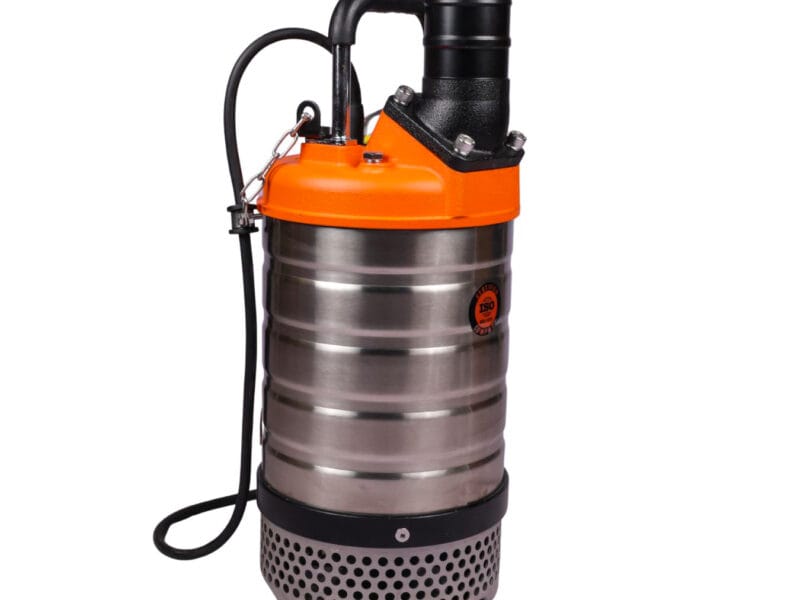
Why is my submersible motor overheating and how to fix it?
Btali International provides expert guidance on identifying why your submersible motor is overheating and how to implement effective solutions to prevent permanent damage. Overheating in a submersible motor occurs when the internal components exceed their thermal design limits; typically due to electrical surges; mechanical friction; or insufficient water flow for heat dissipation. According to industry standards such as the Bureau of Indian Standards (BIS); maintaining stable voltage levels is essential for the operational integrity of any 1.5 hp submersible motor or high-capacity industrial pump. If left unaddressed; this thermal stress can lead to insulation failure and total motor burnout; significantly increasing the cost of submersible pump repairs and replacement.
Key Takeaways
- Voltage Instability: Fluctuating power supplies are a leading cause of excessive current draw and overheating.
- Cooling Issues: Insufficient water flow around the motor housing prevents the liquid from acting as a heat sink.
- Mechanical Obstructions: Silt; debris; or sand in muddy water submersible pumps increases friction and torque requirements.
- Component Wear: Worn bearings or failing capacitors can cause a submersible water pump to run significantly hotter.
- Proper Sizing: Using a motor that is undersized for the required head or flow rate leads to constant overwork.
Submersible pump motor overheating refers to a condition where the internal temperature of the motor housing rises beyond its safe operating threshold; which is often caused by electrical resistance or mechanical load. This issue is common in diverse applications; from residential borewell motor setups to large-scale sewage submersible pumps used in urban infrastructure. If you are looking for a submersible pump near me that offers long-term durability; understanding these thermal dynamics is the first step toward efficient water management. The right way to choose a submersible pump is to match the horsepower and flow requirements precisely to your specific environmental conditions.
Why is my submersible motor overheating?
Understanding the root cause of thermal issues is critical for any user; whether they are managing a 1 hp submersible motor or a heavy-duty 10 hp submersible pump. There are three primary categories of failure: electrical; mechanical; and environmental. Beyond that; identifying which category your issue falls into can save you from unnecessary replacement costs.
Electrical Causes of Overheating
In many parts of India; voltage fluctuations are a frequent challenge for agricultural and domestic users. When the voltage drops; the motor must draw more current to maintain the same power output; leading to rapid heat buildup. This is especially common with a 1.5 hp submersible motor or a 3 hp submersible pump if the wiring is not properly gauged. What this means in practice is that an undersized cable creates resistance; which generates heat before the electricity even reaches the motor. Furthermore; a failing start or run capacitor in a single phase submersible pump can cause the motor to struggle to start; drawing excessive current in the process. If you notice the motor hums but doesn’t turn; electrical failure is likely the culprit.
Mechanical Obstructions and Friction
Mechanical issues often arise when the pump is used in harsh environments. For instance; when utilizing a submersible pump for dirty water or muddy water submersible pumps; the intake can become clogged with silt or sand. This blockage forces the motor to work harder to move the fluid; increasing the load and the temperature. Similarly; if the bearings inside a 3 hp water pump motor are worn out; the resulting friction produces intense heat. This is why regular maintenance is vital for the longevity of your 2 hp submersible pump or any other high-rotation equipment.
Environmental and Installation Factors
A submersible motor relies on the surrounding water to dissipate heat. If the water level in your borewell is too low; the motor may be partially exposed to air; which is a poor conductor of heat compared to water. This is a common issue with a borewell motor when the water table drops during summer months. Additionally; improper installation where the pump is placed too close to the bottom of a well can cause it to suck in sediment; leading to the mechanical issues mentioned earlier. For industrial settings; using a stainless steel submersible pump can help with corrosion resistance; but it still requires adequate water flow for cooling.
How to fix a submersible pump motor that runs hot?
Once you have identified the cause; fixing the issue requires a systematic approach. Depending on the severity; you might be able to perform a simple fix or you may need to contact professional submersible pump repairing near me services. Btali International recommends following these steps to ensure safety and efficiency.
Step 1: Check the Power Supply and Wiring
Before dismantling any equipment; use a multimeter to check the incoming voltage. If the voltage is significantly lower than the motor’s rated specification; you may need a voltage stabilizer. Ensure that all connections are tight and that the cable is not damaged. For a 1.5 hp water pump motor price comparison; you will often find that higher-quality; thicker cables are worth the investment because they reduce resistance and overheating. If you are operating a 3 hp water pump motor single phase; ensure the capacitor is functioning correctly.
Step 2: Inspect for Blockages and Debris
If you are using a submersible sewage pump or a pump designed for muddy water; pull the unit out and inspect the intake. Clean any accumulated silt; stones; or organic matter. If the blockage is inside the impeller; a professional cleaning may be necessary. Ensuring the pump is used in its intended environment such as using a dedicated submersible sewer pump for waste prevents these types of build-ups.
Step 3: Evaluate the Water Level and Cooling
Ensure that the pump is fully submerged. If the water level is too low; consider installing a water level controller. This device automatically shuts off the motor when the water level drops below a safe threshold; protecting your 5 hp submersible pump or 7.5 hp submersible pump from overheating due to air exposure. This is an essential practice for anyone relying on a borewell motor in regions with seasonal water scarcity.
What are the signs of a failing submersible pump motor?
Recognizing the early warning signs can prevent a total system failure. If you notice a sudden increase in the cost of submersible pump operation due to high electricity bills; your motor might be struggling due to internal friction. Other signs include:
- Tripping Circuit Breakers: Frequent trips indicate an overcurrent condition; often caused by overheating or a short circuit.
- Unusual Noise: Grinding or squealing sounds often point to bearing failure in your 2 hp submersible pump.
- Reduced Flow Rate: If the water pressure drops while the motor runs hot; there is likely an internal blockage or impeller wear.
- Burning Smell: This is a critical sign that the motor insulation is melting and immediate shutdown is required.
When should you replace your submersible motor in India?
Deciding whether to repair or replace depends on the age of the unit and the extent of the damage. If the motor has suffered a winding failure due to overheating; the cost of repair might approach the 1.5 hp submersible motor price or 3 hp submersible pump price; making a new unit more economical. In the Indian market; newer models often come with better BEE star ratings; which can lead to significant long-term electricity savings. If you are upgrading; consider a solar powered submersible pump to reduce operational costs and improve sustainability. For larger requirements; a 10 hp submersible pump or a 5 hp submersible pump offers the power needed for industrial or heavy agricultural applications.
At Btali International; we understand that water is a vital resource. Whether you are looking for the best submersible pump for a domestic borewell or high-capacity sewage submersible pumps for municipal use; choosing the right equipment and maintaining it properly is key. Beyond that; always check for BIS or IS certifications to ensure your pump meets the rigorous safety and performance standards required in India.
Frequently Asked Questions
Why is my 3 hp submersible pump running hot?
A 3 hp submersible pump may run hot due to voltage fluctuations; a clogged impeller; or insufficient water flow for cooling. Check the power supply stability and ensure the pump is fully submerged in water to allow for proper heat dissipation.
Can I use a single phase submersible pump for muddy water?
While possible; it is better to use a pump specifically designed as a muddy water submersible pump. These are built with tougher materials and wider tolerances to handle silt and debris without causing the motor to overheat or seize.
How can I tell if my submersible motor is failing?
Key signs of failure include excessive heat; unusual grinding noises; a sudden drop in water pressure; and frequent tripping of your electrical circuit breakers. If you smell burning; shut down the power immediately to prevent further damage.
What is the typical cost of submersible pump replacement?
The cost of submersible pump replacement varies widely based on horsepower. For example; a 1.5 hp water pump motor price is much lower than a 7.5 hp submersible pump. Always factor in installation and cable costs when budgeting.
How do I prevent borewell motor overheating?
To prevent overheating; ensure a stable voltage supply; use a water level controller to prevent dry running; and perform regular maintenance to clear any debris from the intake. Using a stainless steel submersible pump can also help with durability.
After reading this guide; you might also wonder: How much electricity does a 3 hp water pump consume daily? Or; what are the best brands for solar powered submersible pumps in India? Understanding these factors will help you optimize your water management system.
Explore Btali International Product Categories
Accessories • Agricultural Power Spray • Air Compressor • Airless Sprayer • Foam Tank • High Pressure Washer • Power Tools • Pressure Tank • Submersible Pumps • Vacuum Cleaner • Water Pump • Self Priming Automatic Pump