
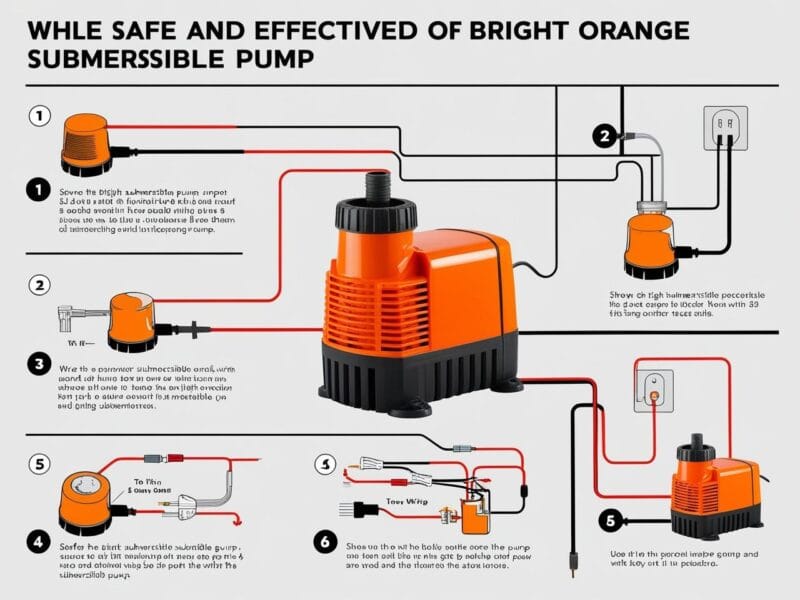
Submersible pump installation borewell: A step-by-step guide for Indian residential users
Submersible pump installation in a borewell is a critical process for ensuring a consistent and high-pressure water supply in Indian residential properties. This guide explains how to select and install the right pump to prevent motor burnout and optimize water delivery. According to the Bureau of Indian Standards (BIS); selecting a pump with the correct horsepower (HP) relative to your well depth is essential for long-term electrical efficiency and preventing system failure.
Key Takeaways
- Match HP to Depth: Always ensure your submersible motor capacity matches the total dynamic head of your borewell.
- Compliance Matters: Use BIS-certified submersible pumps to ensure electrical safety and durability in Indian voltage conditions.
- Clean Before Install: Properly cleaning the borehole is vital to prevent muddy water submersible pumps from clogging prematurely.
- Voltage Stability: Use a proper starter or stabilizer to protect your submersible pump motor from voltage fluctuations common in many Indian regions.
Submersible pump installation borewell refers to the technical process of lowering a water pump into a drilled hole to extract groundwater. This process is vital for homeowners in India who rely on borewells for daily domestic needs. Btali International provides industry-leading solutions to ensure your installation is seamless and long-lasting. If you are looking for a submersible pump near me; understanding the technical nuances of installation is the first step toward a reliable water system.
What is a Submersible Pump and How Does It Work?
A submersible pump is a specialized device designed to operate entirely underwater. Unlike centrifugal pumps that sit above the water level; these are submerged directly into the water source; typically a borewell or a tank. This design allows them to push water upward with much higher efficiency because they are working with positive pressure. What this means in practice is that you get a more consistent flow rate even at significant depths.
The core of the system is the submersible motor. Most residential applications in India utilize a single phase submersible pump; although larger estates or agricultural sites might require a three-phase system. These motors are hermetically sealed to prevent water from entering the electrical windings. Btali International ensures that all our products meet rigorous quality standards to prevent the common issue of motor burnout due to moisture ingress.
How to Choose the Best Submersible Pump for Borewell in India?
Choosing the right equipment is perhaps the most daunting task for a homeowner. The primary factor to consider is the horsepower (HP). For example; a 1.5 hp submersible pump is often sufficient for shallow to medium-depth wells; while a 3 hp submersible pump is better suited for deeper borewells or properties requiring higher pressure for multiple bathrooms.
When researching; you will notice varying costs. For instance; the 1.5 hp water pump motor price can fluctuate based on the brand and material; such as stainless steel submersible pump options which offer better corrosion resistance. Similarly; if you have a larger requirement; checking the 3 hp water pump motor price single phase will help you budget correctly. Beyond that; you must consider the water quality. If your well tends to have sediment; you may need specialized muddy water submersible pumps or even a submersible pump for dirty water to avoid frequent submersible pump repairing near me calls.
In the Indian market; price-to-performance is key. You might find a 1 hp submersible motor price that seems attractive; but if it is undersized for your depth; you will end up spending more on electricity and repairs. It is always better to invest in a slightly higher capacity; such as a 2 hp submersible pump; if your borehole is deeper than 100 feet. This ensures the motor isn’t constantly running at its absolute limit; which extends its lifespan.
Step-by-Step Guide to Submersible Pump Installation in Borewells
The right way to choose a submersible water pump is followed by the right way to install it. Follow these steps to ensure your installation is professional and safe:
1. Borewell Assessment and Cleaning
Before any equipment arrives; the borehole must be assessed. We recommend a professional cleaning of the borewell to remove any leftover drilling sludge. If the well is filled with debris; even the best submersible pump will face immediate damage. This is why many Indian homeowners prefer to use a submersible sewer pump or similar heavy-duty equipment for initial cleaning if the well is contaminated.
2. Selecting the Pipe and Cable
The pipe used to lift the water must be strong enough to support the weight of the submersible pump motor and the water column. High-density polyethylene (HDPE) pipes are commonly used. Additionally; ensure the submersible cable is rated for underwater use and is thick enough to handle the current required by your specific HP rating; whether it is a 1.5 hp water pump or a more powerful 5 hp submersible pump.
3. Preparing the Pump and Motor
Connect the pump to the delivery pipe before lowering it. Check all seals to ensure they are watertight. For residential users; a 1.5 hp submersible motor price is a common starting point; but always verify that the motor is compatible with the pump’s flow requirements. Btali International recommends checking the IS (Indian Standard) certification on all components to guarantee quality.
4. Lowering the Pump
This is the most delicate stage. Lower the assembly slowly to avoid jarring the motor. Ensure the pump is placed at the correct depth not too close to the bottom (to avoid sucking in silt) and not too high (to ensure enough water coverage). If you are installing a 3 hp submersible; the weight will be significant; so use proper lifting equipment.
5. Electrical Connections and Testing
Connect the cable to the control box or starter. In India; due to frequent voltage fluctuations; we highly recommend using a starter that includes overload protection. Once connected; turn on the power and check the pressure. Ensure the submersible pump 3 hp price you paid reflects a system that delivers the promised liters per minute (LPM) at your required head height.
Why is Proper Installation Critical for Your Submersible Water Pump?
Improper installation is the leading cause of pump failure in India. For example; if a 2 hp submersible pump is installed too shallow; it may suck in air; causing the motor to run dry and overheat. Conversely; if it is too deep and sits in the silt; you will find yourself needing submersible pump repairing near me much sooner than expected.
Furthermore; the electrical setup is vital. A single phase submersible pump requires a stable voltage. If the wiring is thin or the connections are loose; the submersible pump motor will struggle; leading to increased borewell motor price costs in the long run due to frequent replacements. This is why Btali International emphasizes the importance of using certified; high-quality electrical components during the installation process.
Managing Different Water Types: From Clean to Sewage
Not all borewells provide crystal-clear water. In many parts of India; groundwater can be quite turbid. If your water source is prone to silt; you must opt for muddy water submersible pumps. These are designed with wider tolerances to handle small particles without seizing.
For more extreme conditions; such as managing household wastewater or sump pits; sewage submersible pumps or a submersible sewage pump are the correct tools. These are built to handle solids and organic matter that would instantly destroy a standard submersible water pump used for clean drinking water. Understanding the difference between a submersible pump for dirty water and a standard domestic pump is the hallmark of a smart consumer.
Real-World Use Case: Residential Success in Maharashtra
To illustrate the importance of correct selection; consider a recent project handled by Btali International for a residential villa in Pune; Maharashtra. The client had a deep borewell and was initially considering a cheaper 1 hp submersible motor price option. However; after assessing the 150-foot depth and the requirement for high-pressure garden irrigation; our experts recommended a 3 hp submersible pump.
By choosing the 3 hp water pump motor price single phase model; the client avoided the common pitfall of undersized equipment. The installation included a stainless steel delivery pipe and a heavy-duty starter. The result was a stable water supply that could power three bathrooms and a garden sprinkler system simultaneously without any drop in pressure. This case demonstrates that while the initial cost of submersible pump systems might be higher for better models; the long-term savings in electricity and maintenance are substantial.
Frequently Asked Questions
How do I choose the right HP for my borewell?
To choose the right HP; you must calculate the total depth of your borewell and the required water pressure. A 1.5 hp submersible pump is typically good for shallow wells; while a 5 hp submersible pump is better for deep wells or high-demand properties. Always consult a professional to avoid undersizing.
What is the average 3 hp water pump motor price in India?
The 3 hp water pump motor price in India varies based on brand; material (like stainless steel); and efficiency ratings. Generally; it is an investment that balances high flow rates with manageable electricity costs for medium-to-large residential buildings.
Can I use a standard pump for dirty water?
It is not recommended. A standard submersible water pump is designed for clean water. For sediment-heavy sources; you should specifically look for muddy water submersible pumps or a submersible pump for dirty water to prevent the motor from seizing due to debris.
Why is my submersible pump motor overheating?
Overheating is usually caused by low voltage; running the pump dry (without enough water); or a clogged intake. Ensure you are using a single phase submersible pump with a proper voltage stabilizer and that the pump is placed at a sufficient depth below the water level.
How often should I service my borewell motor?
While they are designed to be low-maintenance; a professional check once a year is wise. This includes checking the electrical connections; the integrity of the cable; and the pressure output. This helps prevent the need for emergency submersible pump repairing near me.
What are the benefits of a stainless steel submersible pump?
A stainless steel submersible pump offers superior resistance to corrosion; which is especially important in areas with acidic or saline groundwater. This durability ensures a longer lifespan compared to cast iron alternatives; making it a better long-term investment.
Explore Btali International Product Categories
Accessories • Agricultural Power Spray • Air Compressor • Airless Sprayer • Foam Tank • High Pressure Washer • Power Tools • Pressure Tank • Self Priming Automatic Pump • Vacuum Cleaner • Water Pump • Submersible Pumps