
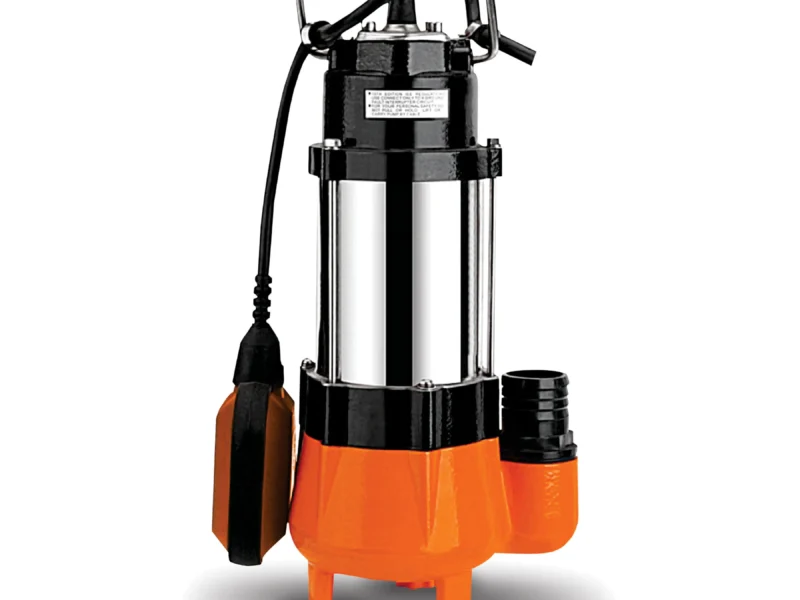
Why is my submersible pump for dirty water making loud noises?
Why is my submersible pump for dirty water making loud noises?
Btali International provides expert insights into industrial and residential water management; specifically addressing why a submersible pump for dirty water might make loud noises. Such sounds often signal mechanical failure; cavitation; or debris interference; which can lead to total system breakdown if ignored. According to industry reliability standards; unresolved pump vibration can decrease motor lifespan by up to 30%. Understanding these acoustic signals is vital for maintaining efficient water management systems across India.
Key Takeaways
- Loud grinding or metallic sounds usually point to bearing or impeller damage.
- A rattling sound often signifies debris; rocks; or silt trapped in the pump housing.
- Cavitation causes a distinctive “marbles in a blender” sound due to air bubble collapse.
- Regular maintenance can prevent the high cost of submersible pump replacement.
- Identifying the noise early can save you from purchasing a new 3 hp water pump motor.
A submersible pump for dirty water refers to a specialized mechanical device designed to be fully submerged in liquids containing solids; silt; or sewage; transferring them from one location to another via centrifugal force or positive displacement. If you are looking for a submersible pump near me or need to understand why your unit is failing; this guide provides the technical depth required to diagnose the issue effectively. What this means in practice is that noise is rarely just a nuisance; it is a diagnostic tool.
Why is your submersible pump making loud noises?
When a submersible pump for dirty water begins to emit unusual sounds; the cause is usually categorized into hydraulic; mechanical; or electrical issues. Because these pumps operate under high pressure and often handle muddy water submersible pumps applications; the environment is inherently harsh. Btali International has observed that most noise issues stem from three primary sources: cavitation; debris; and mechanical wear.
1. The Mystery of Cavitation
Cavitation is one of the most common reasons for noise in a submersible water pump. It occurs when the pressure within the pump drops below the vapor pressure of the liquid; causing vapor bubbles to form and then violently collapse. This creates a sound often described as pumping gravel or marbles. Beyond that; cavitation can pit the impeller and reduce the efficiency of your submersible pump motor. If you notice this sound; it may indicate that the suction is restricted or that the pump is operating too far from its Best Efficiency Point (BEP).
2. Debris and Blockages in Muddy Water
Since you are likely using a submersible pump for dirty water; the presence of solids is expected. However; if large stones; thick sludge; or non-dispersible debris enter the intake; it causes a loud rattling or thumping. This is particularly common in sewage submersible pumps where rags or heavy silt can clog the impeller vanes. This is why maintaining the correct clearance and using a pump with a vortex impeller is essential for muddy water submersible pumps.
3. Mechanical Bearing Failure
If the noise is a high-pitched squeal or a constant grinding sound; the issue is likely the submersible pump motor bearings. Over time; water ingress can bypass the mechanical seals; leading to lubrication failure. This is a critical issue for a 1.5 hp submersible pump or a larger 3 hp submersible pump alike. Once the bearings fail; the shaft can become misaligned; leading to even more catastrophic damage to the motor housing.
How to identify different types of pump noises?
The right way to choose a repair strategy is to listen to the specific frequency and rhythm of the noise. At Btali International; we categorize sounds to help technicians diagnose issues faster.
- Grinding/Screeching: Indicates metal-on-metal contact; typically from worn bearings or a damaged impeller.
- Thumping/Banging: Suggests heavy debris is moving through the pump or the pump is not properly seated on the bottom.
- Rattling: Often caused by loose mounting bolts or small pebbles trapped in the volute.
- Humming: If the pump hums but doesn’t turn; it is likely an electrical issue; such as a failed capacitor or a phase issue in a single phase submersible pump.
What this means in practice is that a technician should check the submersible motor price versus the repair cost. In many cases; especially with older 1 hp submersible motor price models; a complete replacement might be more cost-effective than a deep mechanical overhaul.
How to maintain your submersible water pump in India?
In the Indian market; water conditions can vary from highly silted borewells to heavy sewage flows. To ensure your best submersible pump lasts; you must adhere to local maintenance standards and environmental considerations. Following IS (Indian Standards) for pump installation ensures that your equipment can handle the local electrical fluctuations common in many regions. For example; if you are using a 3 hp water pump motor price single phase unit; ensuring the voltage is stable is paramount to prevent motor burnout.
Regularly cleaning the intake screen and checking the mechanical seals is a fundamental practice. For those using a borewell motor; ensuring the sand content is within acceptable limits for the specific borewell motor price and quality of the unit is crucial. If you are managing a large-scale operation; such as a 7.5 hp submersible pump or a 10 hp submersible pump; implementing a scheduled preventive maintenance program is not just an option—it is a necessity to avoid downtime.
Which submersible pump is best for heavy-duty sewage?
Selecting the right pump depends on the specific gravity of the fluid and the solid content. For residential sewage; a submersible sewage pump or a submersible sewer pump is ideal. For more industrial applications involving heavy sludge; a 5 hp submersible pump or even a 5hp submersible pump with a heavy-duty cast iron housing is recommended. When comparing submersible pump price; do not just look at the initial outlay; consider the Total Cost of Ownership (TCO); which includes energy efficiency and maintenance frequency.
For instance; a stainless steel submersible pump offers superior corrosion resistance in acidic environments; which might be more economical in the long run than a standard cast iron unit. If you are looking for cost-effective options for smaller tasks; checking the 1.5 hp water pump motor price or 2 hp submersible price can help you budget effectively for residential drainage.
Real-World Use Case: Industrial Drainage in Maharashtra
A manufacturing plant in Maharashtra recently faced recurring pump failures. Their 3 hp submersible pump was making loud; rhythmic thumping sounds. Upon inspection by Btali International experts; it was discovered that the submersible pump for dirty water was being used in an application with high concentrations of sand and small pebbles. The pebbles were bypassing the intake and hitting the impeller. By upgrading them to a specialized muddy water submersible pump with a reinforced impeller; the noise was eliminated; and the motor life increased by 200%.
Frequently Asked Questions
Why is my submersible pump making a humming noise but not starting?
A humming noise without rotation usually indicates an electrical issue. This could be a failed start capacitor; a jammed impeller; or a voltage drop. If you have a single phase submersible pump; check the capacitor first. If the issue persists; you may need a submersible pump repairing near me service.
Can I use a standard borewell pump for dirty water?
No; you should not. A standard borewell motor is designed for clean water. Using it for dirty water will lead to immediate clogging and motor burnout. You must use a dedicated submersible pump for dirty water or muddy water submersible pumps designed to handle solids.
How much does a 3 hp submersible pump cost in India?
The 3 hp water pump motor price can vary significantly based on brand; material (like stainless steel submersible pump); and efficiency ratings. Generally; you should budget based on the specific technical requirements of your application; ranging from mid-tier to premium industrial models.
What is the difference between a 1.5 hp and a 3 hp submersible pump?
The main difference is the flow rate and head capacity. A 1.5 hp water pump is suitable for smaller residential or light agricultural tasks; whereas a 3 hp submersible pump provides more power for deeper wells or higher volume liquid displacement in sewage applications.
Why does my pump sound like it’s pumping gravel?
This sound is most likely cavitation. It happens when air bubbles form and collapse due to pressure changes. This can be caused by a clogged intake; a partially closed discharge valve; or running the pump at a head that is too high for its specification.
How often should I service my submersible pump?
For sewage submersible pumps; monthly inspections of the intake and seals are recommended. For clean water borewell motors; an annual check of the electrical connections and mechanical integrity is usually sufficient to prevent unexpected failures.
Next Steps for Pump Owners
Once you have diagnosed the noise; your next steps should be to either perform a minor cleaning or call a professional. If the noise is mechanical; you should evaluate the submersible motor price to see if a replacement is more viable than a repair. Additionally; consider if your current pump capacity (e.g.; a 1.5 hp water pump) is truly matched to your application’s needs. Following these steps ensures your water management system remains reliable and cost-effective.
Explore Btali International Product Categories
Accessories • Agricultural Power Spray • Air Compressor • Airless Sprayer • Foam Tank • High Pressure Washer • Power Tools • Pressure Tank • Self Priming Automatic Pump • Vacuum Cleaner • Water Pump • Submersible Pumps