
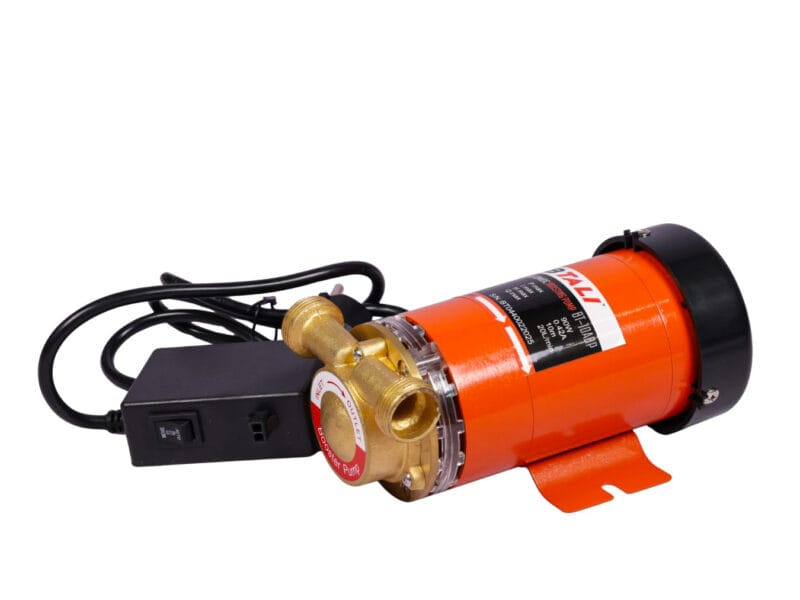
Sizing a water booster pump for optimal performance in high-rise buildings.
Sizing a Water Booster Pump for Optimal Performance in High-Rise Buildings: A Guide from Btali International
High-rise buildings present unique challenges when it comes to water pressure. Gravity, while helpful, often isn’t enough to deliver adequate pressure to upper floors, leading to frustrating experiences for residents and potential issues with appliances. This is where water booster pumps become essential. At Btali International, we specialize in providing high-quality pumping solutions, and this blog will guide you through the crucial process of sizing a water booster pump for optimal performance in high-rise buildings. We’ll cover everything from understanding pressure loss to selecting the right pump type, ensuring your building’s water system operates efficiently and reliably.
Understanding the Challenges of Water Pressure in High-Rise Buildings
The fundamental issue in high-rise buildings is the head pressure required to lift water to significant heights. Head pressure is the measurement of the total pressure exerted by a column of water. As the height increases, so does the head pressure needed. This, combined with friction losses within the pipes, significantly reduces the water pressure available at upper floors. Factors contributing to pressure loss include:
- Static Head: The vertical distance the water needs to be lifted. This is the primary factor in high-rise buildings.
- Friction Loss: Resistance to water flow within the pipes, fittings, and valves. Pipe material, diameter, and length all influence friction loss.
- Fixture Unit Demand: The combined water demand of all fixtures (sinks, showers, toilets, etc.) in the building. This is often expressed in fixture units (FUs), which represent the equivalent demand of a standard fixture.
- Simultaneous Usage: The likelihood of multiple fixtures being used at the same time. This is a critical factor in sizing the pump correctly.
Key Considerations for Water Booster Pump Sizing
Accurate sizing is paramount. An undersized water booster pump will struggle to maintain adequate pressure, while an oversized pump will be inefficient and potentially damage the system. Here’s a breakdown of the key considerations:
1. Determine Total Dynamic Head (TDH): This is the most crucial step. TDH is the total pressure the pump needs to overcome, calculated as:
TDH = Static Head + Friction Loss + Minimum Required Pressure at the Highest Fixture
Calculating friction loss requires detailed knowledge of the piping system. Hydraulic calculation software or consulting with a plumbing engineer is often recommended for complex systems.
2. Calculate Water Demand (Flow Rate): This is typically expressed in gallons per minute (GPM) or liters per minute (LPM). Several methods can be used:
Fixture Unit Method: Assign fixture units to each fixture and then use a table to determine the required flow rate based on the total fixture units.
Historical Data: If available, analyze historical water usage data to determine peak demand.
Population Estimate: Estimate the number of occupants and their average water consumption.
3. Consider Peak Demand: Account for the likelihood of simultaneous fixture usage. A demand factor (typically between 1.25 and 2.0) is applied to the calculated flow rate to account for this.
4. Safety Factor: Add a safety factor (typically 10-20%) to the calculated TDH and flow rate to account for unforeseen circumstances and future expansion.
Types of Water Booster Pumps Suitable for High-Rise Buildings
Several types of water booster pumps are suitable for high-rise applications. Understanding their characteristics is essential for selecting the right pump:
- Centrifugal Pumps: These are the most common type of water booster pump and are known for their reliability and efficiency. They are suitable for a wide range of flow rates and head pressures.
- Multi-Stage Pumps: These pumps use multiple impellers to increase the pressure incrementally. They are ideal for high-head applications, such as very tall buildings.
- Variable Frequency Drive (VFD) Pumps: VFDs allow the pump speed to be adjusted based on demand, resulting in significant energy savings. They also provide constant pressure, regardless of flow rate fluctuations. Btali International offers a range of VFD-controlled water booster pumps for optimal efficiency.
- Self Priming Pumps: These pumps are designed to remove air from the suction line, making them easier to install and operate. A self priming pump is particularly useful where the water source is located below the pump. We offer robust self priming water pump options.
- Automatic Water Pump: An automatic water pump starts and stops based on pressure demand, ensuring consistent water pressure throughout the building.
- Self Priming Pump for Agriculture: While primarily used in agricultural settings, the robust design of a self priming pump for agriculture can be adapted for high-rise buildings requiring reliable and efficient water delivery.
- Automatic Self Priming Pump for Home: The convenience and efficiency of an automatic self priming pump for home translate well to multi-unit residential buildings, providing consistent pressure with minimal maintenance.
- Pump Priming Pump: While not a pump itself, understanding the concept of a pump priming pump (used to initially fill a pump with water) is important for ensuring proper pump operation, especially with certain types of pumps.
Detailed Sizing Example
Let’s consider a 20-story building with the following characteristics:
- Static Head: 200 feet
- Friction Loss (estimated): 30 feet
- Minimum Required Pressure at Highest Fixture: 50 psi (approximately 35 feet of head)
- Total Fixture Units: 300 FUs
- Demand Factor: 1.5
1. Calculate TDH:
- TDH = 200 feet (Static Head) + 30 feet (Friction Loss) + 35 feet (Minimum Pressure) = 265 feet
2. Calculate Flow Rate:
- Using a standard table, 300 FUs typically requires a flow rate of approximately 20 GPM.
- Applying the demand factor: 20 GPM 1.5 = 30 GPM
3. Apply Safety Factor:
- TDH with safety factor: 265 feet 1.1 = 291.5 feet
- Flow Rate with safety factor: 30 GPM * 1.1 = 33 GPM
Therefore, a suitable water booster pump for this building would have a TDH rating of approximately 292 feet and a flow rate of 33 GPM. Btali International can assist you in selecting a pump that precisely meets these specifications.
Choosing the Right Pump Material and Features
Beyond sizing, consider these factors:
- Material: Stainless steel pumps are highly recommended for potable water applications due to their corrosion resistance.
- Noise Level: High-rise buildings require quiet operation. Look for pumps with noise dampening features.
- Control System: A sophisticated control system can monitor pump performance, detect faults, and provide remote control capabilities.
- Energy Efficiency: VFDs and high-efficiency motors can significantly reduce energy consumption.
- Maintenance: Choose a pump that is easy to maintain and has readily available spare parts. Btali International provides comprehensive after-sales support and readily available parts for all our pumps.
The Btali International Advantage
At Btali International, we understand the complexities of water booster pump sizing for high-rise buildings. Our team of experienced engineers can provide expert guidance and support throughout the selection process. We offer a wide range of high-quality water booster pumps, including centrifugal pumps, multi-stage pumps, and VFD-controlled pumps, to meet the specific needs of your project. We are committed to providing reliable, efficient, and cost-effective pumping solutions. Contact Btali International today for a consultation and let us help you optimize your building’s water pressure system. Our automatic water pump solutions are designed for long-term performance and minimal maintenance. We also offer specialized self priming pump models for challenging installations.
Conclusion
Sizing a water booster pump for a high-rise building is a critical task that requires careful consideration of numerous factors. By understanding the principles of pressure loss, accurately calculating TDH and flow rate, and selecting the right pump type, you can ensure optimal performance, energy efficiency, and long-term reliability. Btali International is your trusted partner for all your water boosting needs. We are dedicated to providing exceptional products and services to help you achieve your project goals.