
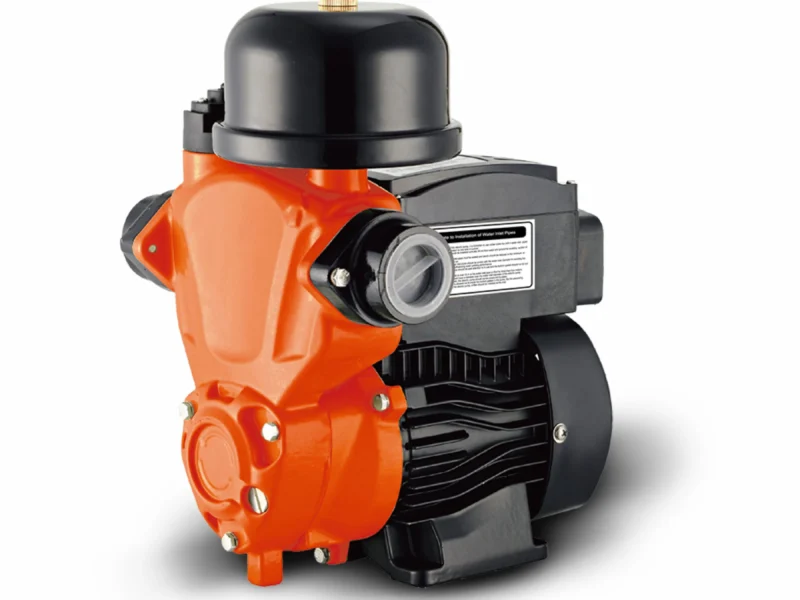
Sizing a water pressure tank to prevent pump short cycling in domestic systems.
Sizing Your Water Pressure Tank: Preventing Pump Short Cycling & Ensuring Reliable Water Supply with Btali International
Pump short cycling is a common headache for homeowners with well water systems or those utilizing booster pumps. It’s that frustrating scenario where your pump kicks on and off repeatedly, leading to wasted energy, premature pump failure, and inconsistent water pressure. The culprit is often an improperly sized water pressure tank. At Btali International, we specialize in providing high-quality water storage solutions, and understanding water tank sizing is crucial for a smooth and efficient water system. This comprehensive guide will walk you through the factors involved in sizing a water pressure tank to prevent pump short cycling and ensure a reliable water supply for your domestic system.
Understanding Pump Short Cycling and Why It Matters
Before diving into sizing, let’s understand why pump short cycling is detrimental. Your well pump is designed to operate for a reasonable amount of time to deliver a consistent flow of water. When the pump cycles on and off frequently – often due to a small demand for water – it experiences excessive wear and tear. This significantly reduces the pump’s lifespan and increases your energy bills. Furthermore, inconsistent water pressure makes everyday tasks like showering or running appliances a frustrating experience. A properly sized water pressure tank acts as a buffer, storing water under pressure and reducing the frequency of pump activation.
The Role of a Water Pressure Tank
A water pressure tank isn’t just a container; it’s a vital component of your water system. It’s designed to maintain consistent water pressure and reduce pump cycling. Here’s how it works:
1. Initial Fill: When the pump initially fills the tank, it compresses the air inside. This compressed air acts as a cushion.
2. Water Demand: When you open a faucet, water is drawn from the tank, not immediately from the well.
3. Pump Activation: Only when the water level in the tank drops below a certain point does the pump activate to replenish the supply.
4. Pressure Maintenance: The compressed air in the tank pushes against the water, maintaining a consistent pressure until the next demand.
The size of the water pressure tank directly impacts how effectively it performs this buffering function.
Key Factors in Water Pressure Tank Sizing
Several factors influence the ideal size of your water pressure tank. Let’s break them down:
1. Pump Flow Rate (GPM – Gallons Per Minute): This is arguably the most critical factor. Your pump’s flow rate indicates how much water it can deliver per minute. You can find this information on the pump’s specifications or by performing a flow test. A higher flow rate generally requires a larger tank.
2. Well Recovery Rate (GPM): This is the rate at which your well replenishes water. If your well recovery rate is low, the pump will need to run longer to meet demand, and a larger water pressure tank becomes even more important. A slow recovery rate combined with a high demand can lead to a continuous pump running, which is highly inefficient and damaging.
3. Water Demand (GPM): Estimate the peak water demand in your household. Consider the number of fixtures (faucets, showers, toilets) and appliances (washing machine, dishwasher) that might be used simultaneously. A family of four using multiple fixtures at once could easily require 5-8 GPM.
4. Pressure Tank Size (Gallons): This is the final number we’re trying to determine. It needs to be large enough to accommodate the peak demand while allowing the pump to rest for a reasonable period.
5. System Pressure: The operating pressure of your system (typically between 40-60 PSI) also plays a role in tank sizing calculations.
Calculating Water Pressure Tank Size: Formulas and Methods
While there are online calculators available, understanding the underlying principles is beneficial. Here’s a simplified approach:
Formula 1: Basic Calculation
- Tank Size (Gallons) = (Peak Demand (GPM) x Run Time (Minutes)) / 2
Run Time:* This is the estimated time the pump needs to run to refill the tank after a peak demand. A good rule of thumb is to aim for at least 5-10 minutes of pump rest time.
Example:
- Peak Demand: 5 GPM
- Desired Run Time: 10 minutes
- Tank Size = (5 GPM x 10 minutes) / 2 = 25 Gallons
Formula 2: Considering Well Recovery Rate
This formula is more accurate when your well recovery rate is a limiting factor.
- Tank Size (Gallons) = (Peak Demand (GPM) x (Desired Run Time (Minutes) + (Well Recovery Rate (GPM) x Desired Run Time (Minutes)))) / 2
Example:
- Peak Demand: 5 GPM
- Desired Run Time: 10 minutes
- Well Recovery Rate: 2 GPM
- Tank Size = (5 GPM x (10 minutes + (2 GPM x 10 minutes))) / 2 = (5 GPM x 30 minutes) / 2 = 75 Gallons
Important Note: These formulas provide a starting point. It’s always best to err on the side of a slightly larger tank, especially if you anticipate future increases in water demand.
Types of Water Pressure Tanks and Considerations
Beyond sizing, the type of water pressure tank you choose matters.
- Bladder Tanks: These tanks have a rubber bladder that separates the compressed air from the water. They are generally more efficient and require less maintenance.
- Steel Tanks: These tanks are simpler in design but can be prone to corrosion over time.
- Plastic Water Tanks: Increasingly popular, plastic water tanks offer excellent corrosion resistance and are lightweight. They are a great option for many applications. Btali International offers a range of durable and reliable plastic water tanks suitable for various system sizes.
- Overhead Water Tank: While not directly a pressure tank, an overhead water tank can be integrated with a booster pump and pressure tank system to provide consistent pressure throughout a property.
Choosing the Right Water Tank Material
The material of your water tank is crucial for longevity and water quality.
- Stainless Steel: Excellent corrosion resistance and durability, but more expensive.
- Polyethylene (Plastic): Lightweight, corrosion-resistant, and cost-effective. Btali International provides high-quality plastic water tanks that meet stringent safety standards.
- Fiberglass: Strong and durable, but can be susceptible to UV degradation if not properly protected.
Btali International: Your Partner in Water Storage Solutions
At Btali International, we understand the importance of a properly sized and reliable water pressure tank. We offer a wide selection of water tanks, including water tank 1000 liter options and various other sizes, to meet your specific needs. Our team of experts can help you calculate the correct tank size for your system and recommend the best type of tank for your application. We pride ourselves on providing high-quality products and exceptional customer service. Don’t let pump short cycling damage your system and increase your energy bills. Contact Btali International today for a consultation and let us help you optimize your water system.
Common Mistakes to Avoid
- Undersizing the Tank: This is the most common mistake and leads directly to pump short cycling.
- Ignoring Well Recovery Rate: Failing to account for a slow well recovery rate can result in inadequate tank capacity.
- Neglecting Future Demand: Consider potential increases in water usage when sizing your tank.
- Improper Air Pressure: Maintaining the correct air pressure in the tank is essential for proper operation. Check and adjust the pressure periodically.
- Using the Wrong Type of Tank: Choose a tank type that is appropriate for your system and water quality.
Maintaining Your Water Pressure Tank
Regular maintenance is key to extending the life of your water pressure tank.
- Check Air Pressure: Use a pressure gauge to check the air pressure in the tank at least twice a year. Adjust as needed to maintain the recommended pressure (typically 2-4 PSI below the system pressure).
- Inspect for Leaks: Regularly inspect the tank and connections for any signs of leaks.
- Flush the Tank: Periodically flush the tank to remove sediment and debris.
- Professional Inspection: Consider having a qualified technician inspect your system annually.
By carefully considering these factors and working with a trusted partner like Btali International, you can ensure that your water pressure tank is properly sized, preventing pump short cycling and providing a reliable and consistent water supply for your home or business. We are committed to providing you with the best water tank solutions and expert advice to keep your water system running smoothly.