
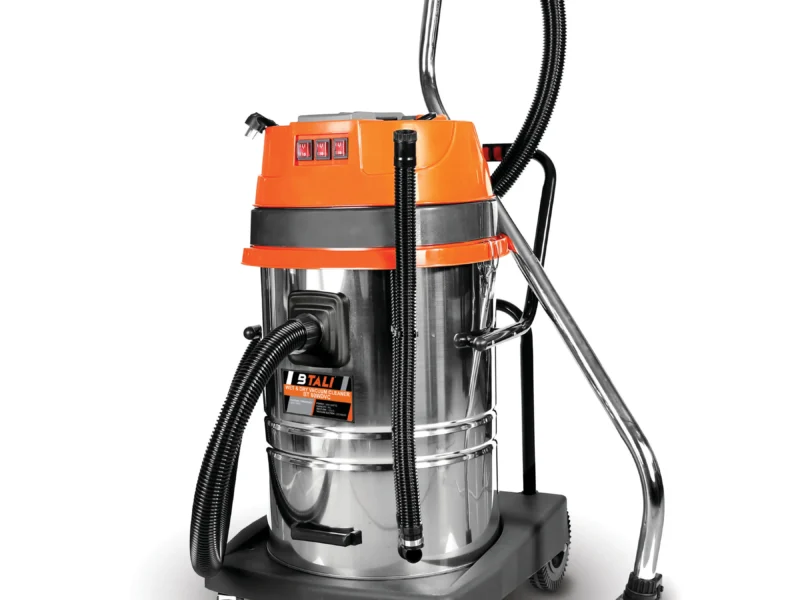
7 Ways to maintain your professional vacuum cleaner for heavy-duty use
Btali International provides this definitive guide on how to maintain your professional vacuum cleaner to ensure maximum suction power and operational longevity in high-demand environments. Maintaining a professional vacuum cleaner is vital because, according to industrial equipment standards, regular servicing can extend the lifespan of a heavy duty vacuum cleaner by up to 50%. This guide is essential for facility managers, industrial cleaning crews, and business owners in India who rely on consistent performance from their industrial vacuum cleaner units.
Key Takeaways
- Regular Filter Maintenance: Cleaning or replacing HEPA filter vacuum components prevents motor overheating and maintains airflow.
- Hose and Attachment Integrity: Inspecting suction lines prevents air leaks that reduce the efficiency of a 60l wet and dry vacuum.
- Tank Hygiene: For a wet and dry vacuum cleaner, emptying the tank promptly prevents corrosion and odors.
- Motor Care: Protecting the 2 motor industrial vacuum cleaner or triple motor vacuum cleaner system from dust ingress is critical.
- Compliance and Safety: Using BIS certified vacuum equipment ensures adherence to Indian safety and performance standards.
What is a professional vacuum cleaner and why does it require specific maintenance?
A professional vacuum cleaner refers to a high-performance, heavy-duty machine designed to handle continuous duty cycles in commercial, industrial, or specialized environments. Unlike a standard vacuum cleaner for home use, these machines, such as the Btali International heavy-duty series, are engineered to manage larger volumes of debris, whether it is fine concrete dust or liquid spills. Maintaining these machines is not just about cleanliness, it is about protecting a significant capital investment.
What this means in practice is that a professional vacuum cleaner is often subject to extreme conditions. Whether you are using a 30 liter vacuum cleaner for construction debris or a 35l wet and dry vacuum cleaner for food processing cleaning equipment, the intensity of use can lead to rapid wear. If you are looking for a professional vacuum cleaner in India, understanding the technical maintenance requirements will help you avoid the common pitfalls of equipment downtime.
How can you maintain an industrial vacuum cleaner effectively?
Effective maintenance of an industrial vacuum cleaner involves a multi-faceted approach targeting the suction system, the filtration unit, and the motor. Beyond that, it requires a disciplined schedule of inspections to catch minor issues before they become catastrophic failures. Here are seven essential ways to maintain your equipment:
1. Prioritize HEPA and Filter Management
The filtration system is the heart of any professional vacuum cleaner. For those using a Btali BT 35 Pro Vac or similar high-end models, the HEPA filter vacuum system is crucial for capturing microscopic particles. A clogged filter forces the motor to work harder, increasing heat and reducing the suction of your industrial suction machine. Regularly tapping out dust or replacing the filter ensures that your continuous duty vacuum cleaner maintains its rated airflow. In food processing environments, maintaining high-quality filtration is non-negotiable for FSSAI compliant cleaning.
2. Inspect Hoses and Suction Tubes for Obstructions
A common reason for decreased performance in a heavy duty vacuum cleaner is a partial blockage in the hose. Whether you are using a portable vacuum cleaner or a large 80l vacuum cleaner, debris can get lodged in the bends. Regularly run a check through the hose to ensure there are no tears or blockages. This is especially important for a wet and dry vacuum cleaner, where wet sludge can dry and harden inside the tube, significantly impacting the vacuum cleaner machine’s efficiency.
3. Protect the Motor and Electrical Components
The motor is the most expensive component of any vacuum machine. For a 2 motor industrial vacuum cleaner or a powerful triple motor vacuum cleaner, protecting the electrical integrity is paramount. Ensure that the power cord is kept free of kinks and that the plug is not subject to heavy tension. In industrial settings, where moisture is common, using a Btali International wet and dry cleaner vacuum helps segregate the motor from the liquid intake, ensuring the electrical components remain dry and safe.
4. Clean the Collection Tank and Prevent Corrosion
If you are operating a 30 ltr vacuum cleaner or a 60l wet and dry vacuum, the collection tank must be cleaned after every major use, especially when handling liquids. Leaving water to sit in a stainless steel vacuum cleaner or a plastic tank can lead to residue buildup or, in some cases, structural degradation. For heavy duty wet dry vac applications, such as construction or floor cleaning, ensuring the tank is rinsed and dried prevents the growth of mold and bacteria, which is critical for maintaining hygiene in commercial spaces.
5. Maintain Brush Rolls and Floor Tools
Whether you are using a wet and dry carpet cleaner or a commercial upright vacuum cleaner, the floor tool takes a lot of abuse. Hair, threads, and large debris can wrap around the brush roll, creating friction that can damage the motor. Regularly cleaning the brush roll and checking the wheels of your floor cleaning vacuum machine ensures smooth movement across different surfaces, from tile floors to concrete.
6. Manage Battery Life in Cordless Models
The rise of the cordless wet dry vacuum cleaner has revolutionized portability. However, maintenance for a cordless vacuum cleaner wet and dry model involves careful battery management. Avoid deep discharging the battery and store it in a cool, dry place. For professional users, ensuring the battery contacts are clean will prevent power fluctuations during heavy duty use.
7. Follow a Rigorous Inspection Schedule
The right way to choose a maintenance plan is to align it with the manufacturer’s recommendations. For a Btali BT 80 heavy duty vacuum, this might mean a weekly deep clean and a monthly mechanical inspection. Utilizing BIS certified vacuum equipment ensures that you are working with machines that meet the rigorous safety standards of the Indian market, making your maintenance protocols more predictable and effective.
Why is maintenance vital for food processing cleaning equipment?
In the food industry, cleaning is not just about aesthetics, it is about safety. Using a professional vacuum cleaner in food plants requires strict adherence to food safety cleaning protocols. For instance, a Btali International wet and dry vacuum cleaner must be maintained to prevent cross-contamination. If a vacuum cleaner used for dry flour spills is then used for wet sanitation without proper cleaning, it poses a significant risk. This is why FSSAI compliant cleaning processes often mandate specific, well-maintained industrial vacuum cleaners that can be thoroughly sanitized.
Real-World Use Case: A major food processing plant in Maharashtra, India, implemented a strict maintenance schedule for their Btali BT 35 Pro Vac units. By moving from reactive to proactive filter and tank cleaning, they reduced their equipment replacement costs by 30% over two years and successfully passed all food safety audits with zero non-compliance issues regarding cleaning equipment.
What are the best practices for heavy duty vacuum cleaner care in India?
In the Indian market, where dust levels and humidity can vary significantly, maintenance requires extra attention. Whether you are purchasing vacuum cleaner brands India offers or importing high-end equipment, always look for BIS certified vacuum products. These certifications ensure the machine can handle the local voltage fluctuations and environmental stressors. When looking for a vacuum cleaner near me or a vacuum cleaner shop near me, ensure the supplier provides genuine spare parts for models like the Btali International range, as using non-standard parts can void warranties and reduce performance.
Frequently Asked Questions
How often should I clean my professional vacuum cleaner filters?
For heavy-duty use, you should inspect and clean filters daily. In high-dust environments, HEPA filters should be replaced or deep-cleaned according to the manufacturer’s specific guidelines to ensure the motor is not strained by restricted airflow.
Can I use a dry vacuum cleaner for wet spills?
No, you must use a dedicated wet and dry vacuum cleaner. Using a standard dry vacuum for liquids will cause permanent damage to the motor and electrical components. Always ensure your machine is rated as a wet-to-dry vac before attempting liquid extraction.
Why is my industrial vacuum cleaner losing suction?
Loss of suction is typically caused by a clogged filter, a blockage in the hose, or a leak in the tank seal. Check all connections and ensure the collection container is not overfilled, particularly in 30 liter or 60l models.
What is the benefit of a triple motor vacuum cleaner?
A triple motor vacuum cleaner provides significantly higher suction power and allows for continuous duty operation. The multiple motors distribute the workload, making them ideal for large-scale industrial cleaning and heavy-duty construction sites.
How do I know if my vacuum cleaner is BIS certified?
BIS certification can be verified by checking the product’s label for the ISI mark and the registration number. Using BIS certified equipment in India ensures the machine meets national safety and performance standards for industrial use.
After learning about these maintenance steps, you might wonder: How do I choose the right industrial vacuum cleaner for my specific business needs? or What is the total cost of ownership for heavy-duty cleaning equipment? Staying informed is the first step toward operational excellence.
Explore Btali International Product Categories
Accessories • Agricultural Power Spray • Air Compressor • Airless Sprayer • Foam Tank • High Pressure Washer • Power Tools • Pressure Tank • Self Priming Automatic Pump • Submersible Pumps • Water Pump • Vacuum Cleaner