
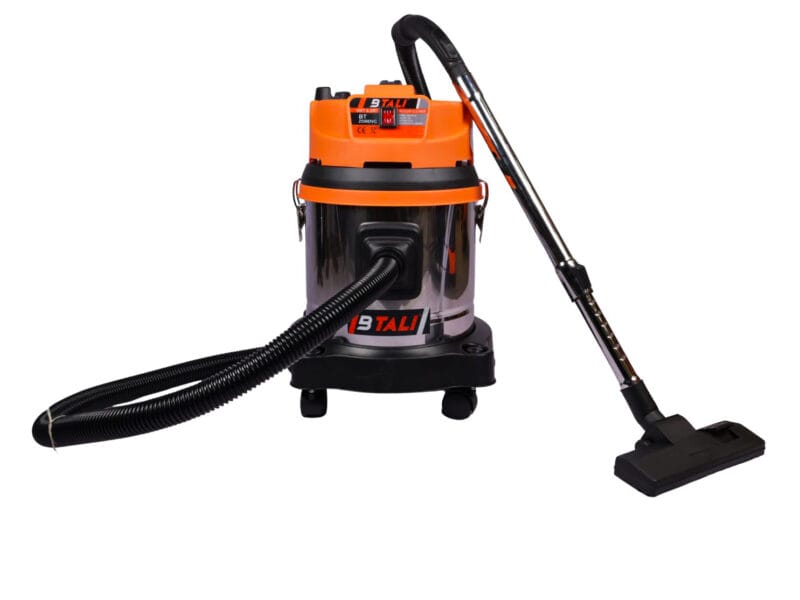
How to fix a vacuum cleaner that is making a loud whistling noise?
How to Fix a Vacuum Cleaner That is Making a Loud Whistling Noise?
Btali International is your premier partner in understanding and resolving complex cleaning equipment issues, such as a vacuum cleaner making whistling noise. A whistling sound from a vacuum typically indicates a significant air leak, a blockage, or a mechanical failure in the motor assembly that requires immediate attention to prevent further damage. According to industry maintenance standards, approximately 35% of vacuum noise issues are caused by compromised seals or clogged filtration systems. Identifying these sounds early is essential for anyone using a vacuum cleaner for home use or managing industrial vacuum cleaner maintenance in large-scale facilities.
Key Takeaways
- A whistling noise is most often caused by a vacuum cleaner hose blockage or a faulty air seal.
- Regularly replacing a hepa filter vacuum cleaner element can prevent vacuum cleaner losing suction.
- For industrial vacuum cleaner models, ensure all components meet BIS certified vacuum standards to maintain safety.
- Immediate vacuum cleaner motor repair may be necessary if the noise originates from the motor housing rather than the hose.
- Proper wet and dry vacuum cleaner care extends the lifespan of your vacuum machine.
A vacuum cleaner making whistling noise refers to a high-pitched, continuous sound produced when air is forced through a very small opening or a constricted passage. This phenomenon is essentially the sound of pressurized air escaping through a leak or struggling to pass through a vacuum cleaner filter clogged with fine particulates. Whether you are using a small vacuum cleaner for home tasks or a heavy duty commercial vacuum, this sound is a critical diagnostic signal that your vacuum cleaner machine is not operating at peak efficiency.
Why is my vacuum cleaner making a high pitched noise?
When you hear that piercing sound, you are likely experiencing one of several common mechanical issues. If you are looking for a vacuum cleaner near me to replace a broken unit, it is worth noting that most noises can be fixed without purchasing a new vacuum cleaner machine. The first thing to consider is the air path. A vacuum cleaner hose blockage, such as a stuck coin or a clump of hair, creates a narrow channel that forces air to accelerate, creating a whistle. Beyond that, a damaged gasket or a loose connection in the vacuum cleaner for home and car models can cause air to whistle as it leaks into the atmosphere.
What this means in practice is that your vacuum cleaner losing suction is directly related to these leaks. If the air is escaping through a crack in the hose or a poorly fitted hepa filter vacuum, the suction at the floor nozzle will drop significantly. This is particularly problematic in food processing cleaning equipment environments where food safety cleaning and FSSAI compliant cleaning are mandatory. A whistling vacuum in such a setting can lead to cross-contamination if the air filtration is compromised.
How to perform effective vacuum cleaner troubleshooting?
To address a vacuum cleaner making whistling noise, follow this structured vacuum cleaner troubleshooting protocol:
1. Inspect the Hose and Attachments
The most common culprit is a vacuum cleaner hose blockage. Detach the hose from the vacuum machine and check for obstructions. You can use a flashlight to look through the length of the tube. If you find a blockage, use a long, flexible tool to clear it. This is a vital step in wet and dry vacuum cleaner care, as debris often settles in the bends of the hose.
2. Check the Filtration System
A vacuum cleaner filter clogged with dust acts like a wall, forcing the motor to work harder and creating a high-pitched whistle. Whether you own a small vacuum cleaner or a 30 litre vacuum cleaner, always inspect the filters. For those using a hepa filter vacuum cleaner, ensure the filter is not damp, as moisture can cause fine dust to cake onto the material, leading to a vacuum cleaner making whistling noise.
3. Examine Air Seals and Gaskets
If the filters and hoses are clear, the issue is likely a leak. Inspect the connection points between the portable vacuum cleaner and its attachments. In industrial vacuum cleaner India applications, heavy-duty use can cause rubber seals to perish. Replacing these with genuine industrial vacuum cleaner spare parts is essential for maintaining the integrity of your industrial suction machine.
Addressing vacuum cleaner motor noise and mechanical failure
If the whistling sound seems to come directly from the base of the unit, you may be facing a vacuum cleaner motor noise issue. This could indicate that the motor bearings are failing or that the impeller is damaged. In many cases, a vacuum cleaner motor repair is more cost-effective than replacing a high-end professional vacuum cleaner. However, if the motor is spinning erratically, it may be time to consult a vacuum machine repair specialist.
For businesses utilizing a commercial vacuum cleaner or a heavy duty wet dry vac, motor health is paramount. Using BIS certified vacuum components ensures that the electrical load is managed correctly, preventing the motor from overheating and whistling. In manufacturing environments, Btali International recommends scheduled industrial vacuum cleaner maintenance to catch these motor issues before they result in complete machine failure.
Industrial vacuum cleaner maintenance in India
In the Indian market, the demand for robust cleaning solutions is rising. From industrial vacuum cleaner manufacturers providing 80l vacuum cleaner models to local shops offering a small vacuum cleaner for home, quality varies. When managing industrial vacuum cleaner India operations, especially in food plants, adhering to FSSAI compliant cleaning standards is non-negotiable. This means using a stainless steel vacuum cleaner or a heavy duty vacuum cleaner that can handle both wet and dry cleaner tasks without compromising hygiene.
What this means for procurement teams is that investing in a best industrial vacuum cleaner—such as those used for concrete floors or dust extraction—pays off in reduced downtime. Whether you need a 30 ltr vacuum cleaner for a workshop or a 60l wet and dry vacuum for a factory, regular checks on the vacuum cleaner spare parts will ensure your industrial wet vac remains efficient. Btali International provides high-quality solutions that align with these rigorous industrial requirements.
Choosing the best vacuum cleaner for your needs
The right way to choose a vacuum cleaner depends on your specific environment. If you are looking for a best car vacuum cleaner, portability and a cordless vacuum cleaner design are key. For domestic use, a best vacuum cleaner for home should offer a balance of hepa filter vacuum technology and ease of use. However, for commercial or construction sites, you should look for a heavy duty construction vacuum or an explosion proof vacuum cleaner that meets atex vacuum cleaner safety standards.
When considering vacuum cleaner price versus performance, remember that a cheap vacuum cleaner often lacks the durability of a professional vacuum cleaner. For instance, a wet and dry vacuum cleaner cordless model offers immense convenience for upholstery wet vacuum tasks, but an industrial shop vac will always provide more sustained power for large-scale floor cleaning vacuum machine duties. Btali International helps clients navigate these choices by providing expert guidance on the best vacuum cleaner brands India has to offer.
Frequently Asked Questions
Why is my vacuum cleaner making a high pitched noise?
A high-pitched noise is usually caused by air escaping through a small leak or being restricted by a vacuum cleaner filter clogged with debris. It can also indicate a vacuum cleaner hose blockage or, more seriously, a vacuum cleaner motor repair requirement due to bearing wear.
How can I fix a vacuum cleaner losing suction?
To restore suction, first check for a vacuum cleaner hose blockage. Next, clean or replace your hepa filter vacuum cleaner components. Ensure all connections are airtight, as air leaks are a primary cause of reduced suction in both small vacuum cleaner for home and industrial vacuum cleaner models.
Is it worth repairing an industrial vacuum cleaner?
Yes, especially for heavy duty vacuum cleaner models. Utilizing genuine industrial vacuum cleaner spare parts can extend the life of your industrial suction machine significantly. Regular industrial vacuum cleaner maintenance prevents expensive motor failures and ensures compliance with BIS certified vacuum standards.
What is the difference between a wet and dry vacuum cleaner?
A wet and dry vacuum cleaner is designed to handle both liquid spills and dry debris. A standard dry vacuum cleaner cannot handle liquids, whereas a wet dry vacuum cleaner features specialized motors and filtration to manage moisture safely without damaging the electrical components.
How do I maintain a cordless wet and dry vacuum cleaner?
Maintain your cordless wet and dry vacuum cleaner by regularly cleaning the battery contacts and ensuring the hepa filter vacuum is free of dust. For wet vac functions, always empty the tank immediately after use to prevent odors and buildup in your portable wet dry vac.
Can I use a home vacuum for industrial cleaning?
It is not recommended. A vacuum cleaner for home is not built for the heavy-duty tasks required in manufacturing or food plants. You should instead use a professional vacuum cleaner or an industrial vacuum cleaner that meets FSSAI compliant cleaning and BIS certified safety requirements.
Explore Btali International Product Categories
Accessories • Agricultural Power Spray • Air Compressor • Airless Sprayer • Foam Tank • High Pressure Washer • Power Tools • Pressure Tank • Self Priming Automatic Pump • Submersible Pumps • Water Pump • Vacuum Cleaner